

October 9, 2026

A captain's license is the easy part. I know that sounds backwards to a deckhand staring at a pile of Coast Guard forms, but it's what I'd tell you on the dock.
The paperwork is slow and annoying. It's also a checklist, and checklists can be finished. The part that makes you safe to run a boat full of guests doesn't come in an envelope.
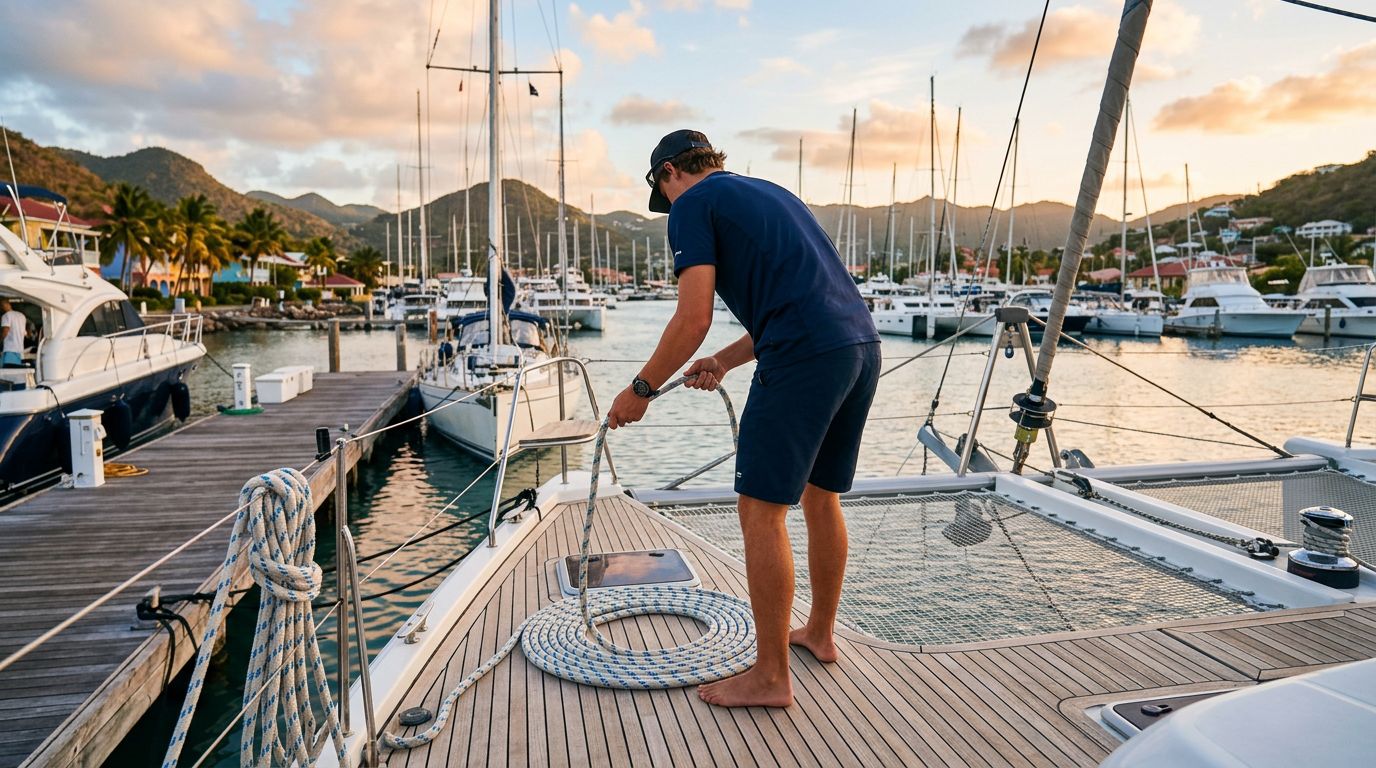
The path I took on the boat was deckhand, then first mate, then captain, on my parents' boats at Eagle Tours, running cruise ship and hotel guests out to the beaches and reefs. I didn't skip a rung. Paper route first, since that's what you searched for. Then the part nobody puts on a form.
If you're working on US-flagged boats, the license is really an endorsement on a Merchant Mariner Credential, and the National Maritime Center processes it. Two endorsements to compare.
Route matters too. Inland, Great Lakes and near coastal are different endorsements with different sea-time rules. The NMC also says no OUPV endorsement is valid for international voyages. If your trip crosses into BVI water, that's a conversation to have before you book it.
For the six-pack, the baseline is 360 days operating vessels. The current near coastal checklist accepts at least 90 on ocean, near coastal or Great Lakes waters. A day normally means eight hours; below 100 GRT, NMC may accept four or more if the operating schedule warrants it. Check how it counts your days.
Master near coastal under 100 tons is a bigger ask. The current checklist calls for 720 days, with inland time able to cover up to half.
Recent time counts too. Coast Guard Policy Letter 02-25, effective September 12, 2025, accepts 90 qualifying days in the last seven years for national officer endorsements, rather than three for non-military service. Read the current checklist the week you apply, not a forum post from 2019.
So start logging now. Every trip. Get the owner or captain to sign your sea service letter while they still remember you. Chasing a signature from an owner who sold up and left the island is a total nightmare.
Minimum age is 18 for OUPV and 19 for these Master routes. Master requires US citizenship; non-US citizens can get OUPV limited to vessels not documented under US law. Check NMC's current fees and processing times before budgeting.
Everything above is US Coast Guard, relevant to US-flagged passenger boats in the USVI. Elsewhere in the islands, check the applicable rules.
On the Dutch side of St. Maarten, the French side, in the BVI and in Anguilla, each place has its own maritime authority and its own idea of which certificates count for a commercial passenger boat. A US license might be accepted somewhere, partly accepted, or not count at all on a local boat. Call the local maritime authority, and ask the operator you want to work for what they need you to hold.
I'd hire a mate with years on the boat and a fresh license over a course graduate with a perfect exam score and no deck time. Every time. The exam proves you can read a chart. It doesn't prove you'll make the right call at 7am.
A few things separate a captain from a license holder.
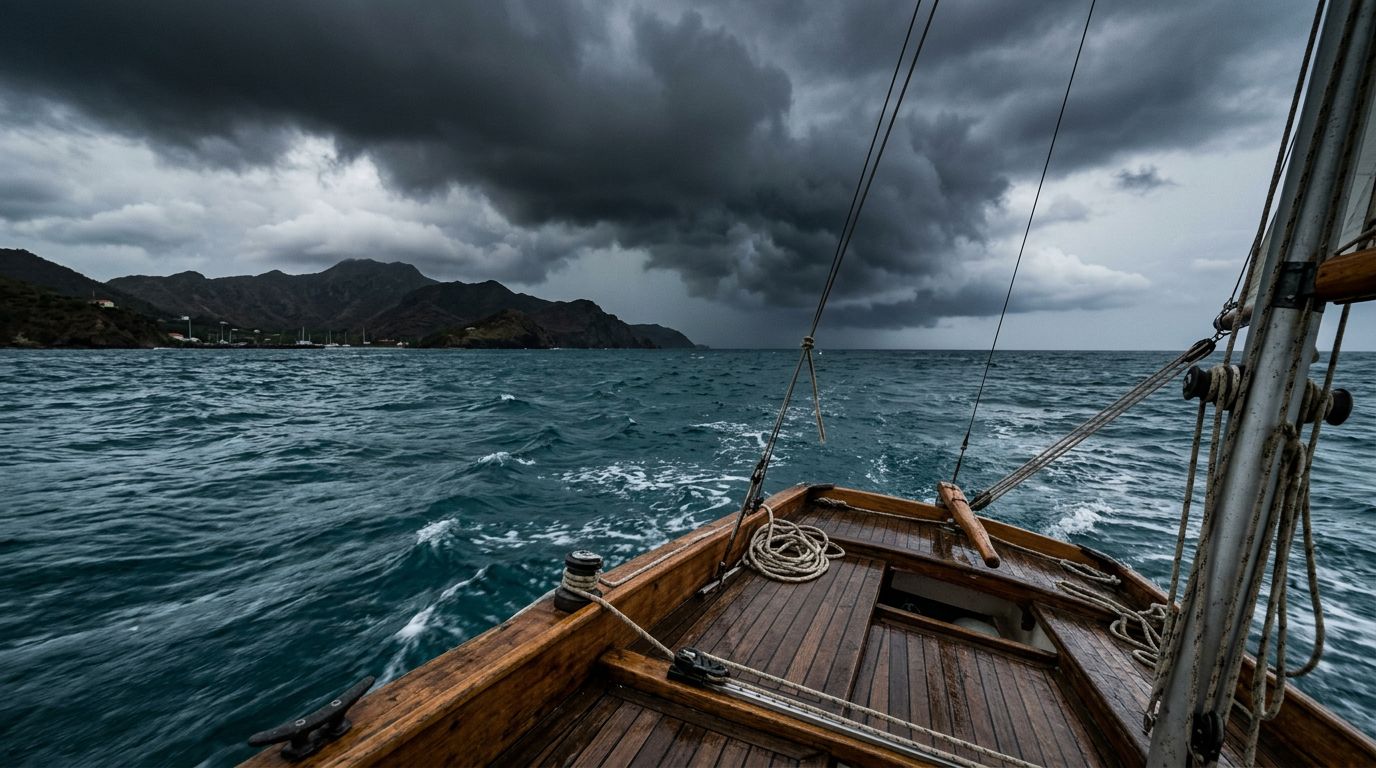
The weather call. Christmas Winds, a squall line over Anguilla, a swell that turns a snorkel stop into a washing machine. A new captain wants to go because the guests are excited and the office already took the money. A good one cancels or changes the spot early, before anyone's standing in the marina parking lot. Moving the booking is the easy part (if you're on Junglebee, the rescheduling can be automatic). Saying no to 40 happy people is the hard part.
Reading the crowd. Cruise ship guests on a clock are a different trip from a hotel group that wants to stay out all afternoon. Spot the guest who's had too much rum punch before the swim stop, not after.
The mate. Your mate sees the lines, the ladder, the kid near the stern. A captain who barks at his mate has a crew that stops telling him things.
If you're an owner, the license is the minimum, not the green light. Before I'd put someone new at the wheel with guests aboard, I'd want:
Then check the paperwork is current: credential, medical, drug testing, and TWIC where required. Make sure the endorsement matches the waters you actually run. Your insurer may ask about it too.
That's the path I'd point any new deckhand toward. Log the days, get the paper, then spend real time as somebody's mate. The license lets you take the wheel. The years on deck are what get your guests home.


