

October 16, 2026
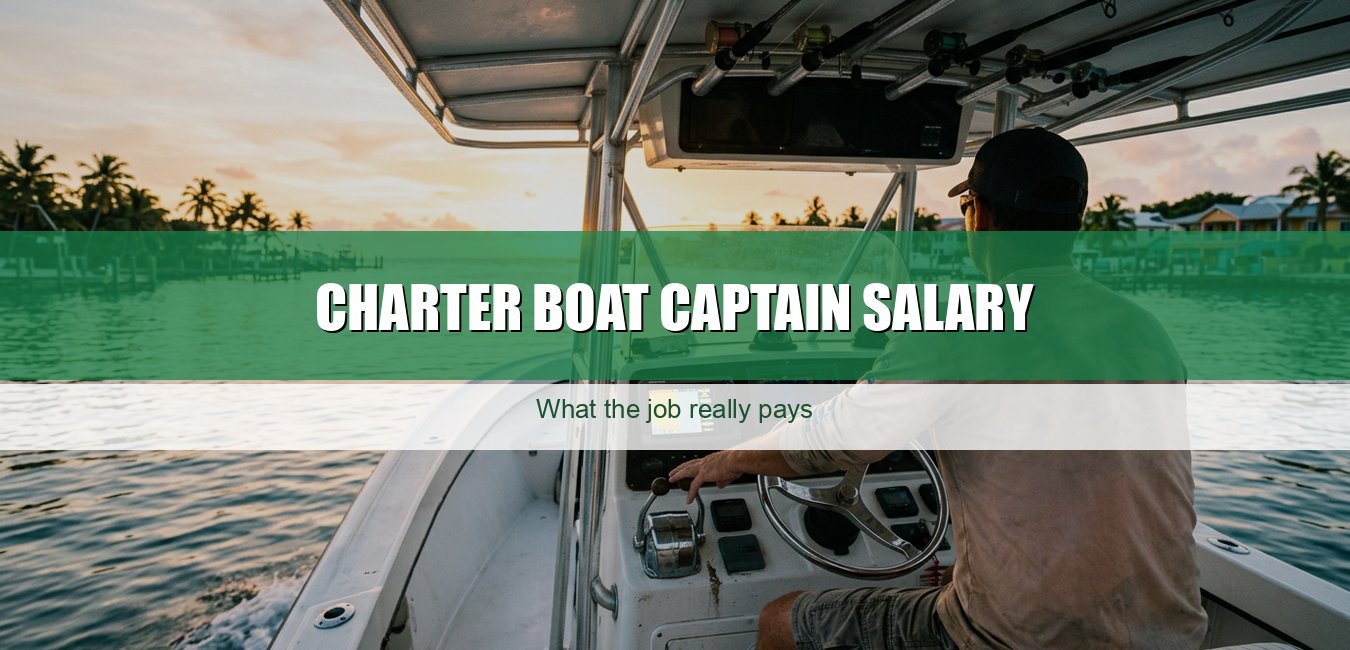
If you're looking up charter boat captain salary so you can compare one number against another, you're probably comparing the wrong thing. What a captain actually takes home over a year depends more on how many weeks the boat really runs than on whatever rate gets quoted on the dock.
I grew up crewing and then captaining boats in St. Maarten, and now I work with operators, so I'd rather look at this from the operator side, since that's where pay gets decided. The rate is the easy half. The hard half is how many weeks the boat actually earns.
The cleanest published figure comes from the US Bureau of Labor Statistics. It put the median annual wage for captains, mates, and pilots of water vessels at $92,460 in May 2025.
Look at who's in that group, though. Tugs, barges, ferries, deep-sea ships, harbor pilots. BLS says most water transportation workers are full time and many work more than 40 hours a week. A six-pack charter on a quiet Tuesday in September isn't that job.
There's a closer number, but it's still blurry. BLS reports a May 2025 median of $51,190 for water transportation workers in scenic and sightseeing water transportation, the industry that covers excursion boats and charter fishing. That figure lumps captains in with deckhands and other crew, so it isn't a captain number either. Neither figure is a Caribbean pay estimate, and neither includes self-employed captains. For an offer on a particular island, I'd want the employer's actual pay terms.
If I were comparing charter and tour boat jobs, I'd separate the pay arrangements like this:
The question I'd want every captain to ask first: what happens to my pay when a trip cancels? A no-show group, a rough morning nobody wants to run, a storm warning. On a day rate or per-trip deal the answer can be zero, and you want to hear that in November, not in the middle of a bad week.
When gratuity is a real slice of crew pay, I'd treat the tip policy as part of the pay deal whether the owner writes it down or not. Is it pooled? Does the captain take a bigger share than the deckhand? Is a suggested gratuity shown at booking, or left to guests at the end of the day?
In the US, read the FLSA rules first. Employers, managers and supervisors can't keep employees' tips or receive pool distributions; that includes actively managing owners with at least a bona fide 20 percent stake. A captain's duties, not just the title, matter. Managers may keep direct tips only for service they solely provide. Pool eligibility also depends on whether the employer takes a tip credit, and state rules may be stricter. Elsewhere, check local rules. Put a lawful split in writing. An argument over tips at the end of a long day is a good way to lose a good crew.
This is where I think most salary talk goes wrong. Picture two captains. One is on a strong day rate, runs hard through the busy months, then has little or nothing coming in once it goes quiet. The other is on a lower, steady wage all year. On paper the first job wins. In their bank accounts in October, it might not.
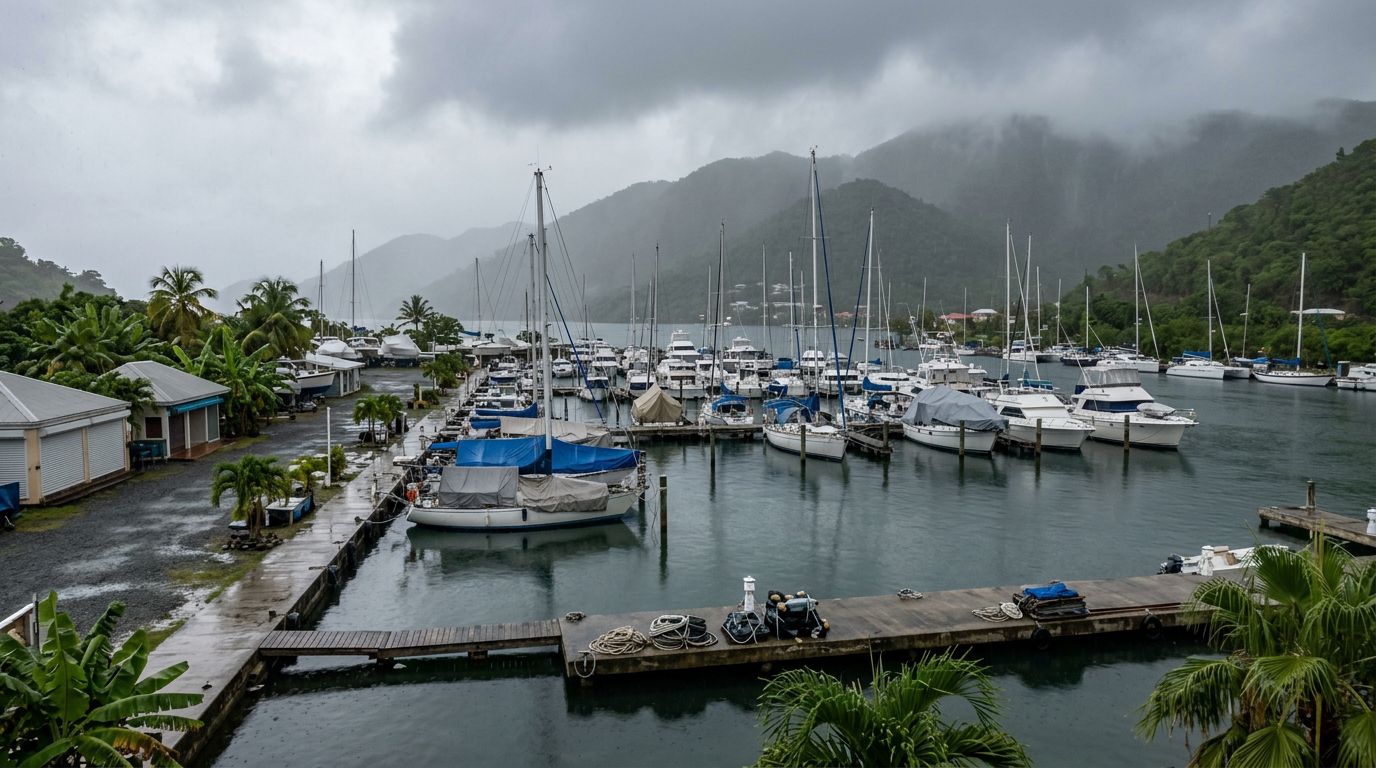
NOAA puts most Atlantic hurricane activity between mid-August and mid-October. If that stretch brings fewer guests or cancelled trips, what happens to pay? Say a captain earns well for 20 good weeks: rent and the phone bill still come due for the other 32.
Operators understand this about their own costs. When we launched Junglebee I wanted to charge a monthly fee, because a fixed number made our revenue easy to forecast. The operators pushed back. They wanted a transactional fee rather than a monthly bill, so we switched to charging per credit card transaction. They were right. But if you wouldn't sign up for a fixed cost in a dead month, think about handing a captain a deal where income stops in that same month. Would you be surprised if the good one took a steadier offer?
Plenty of small charter businesses are a one-man show, where the owner is the captain. A lot of the operators I've dealt with run the boat, clean it, eat, and then it's time for bed. There may be no separate salary line. What's left after fuel, maintenance, insurance, dockage, crew and booking costs is the pay, and in a bad month that can go negative. The owner keeps the upside of a great season and carries all the downside.
A hired captain trades that upside for a predictable check. At least in theory. If the hired captain ends up carrying the same seasonal risk as the owner with none of the upside, that's a bad deal, and sooner or later the captain does the math.
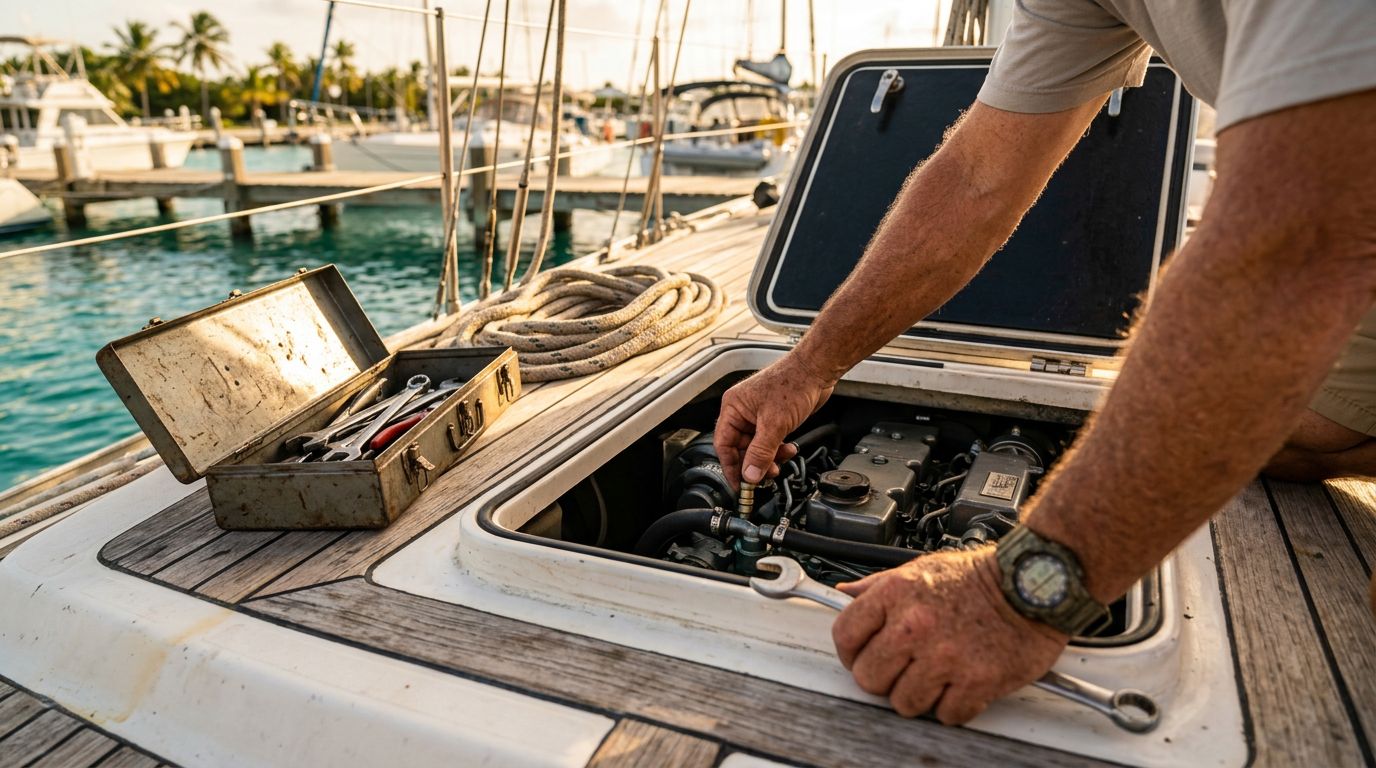
The license sets the floor, since your endorsement, tonnage limit and permitted route govern which boats you can run and where (I covered the license side in an earlier piece). Past that, what owners will pay more to keep is pretty unglamorous. Local knowledge. Which anchorage holds when a north swell rolls in, which reef is packed by late morning on a cruise ship day. That's the stuff I'd pay extra for. Reliability, meaning early, every day, sober. I think an owner forgives a lot from the captain who always shows up. Mechanical skill, because a captain who can sort out a small engine problem at the mooring might save the trip. And reviews where guests mention the captain by name.
So if you own boats, look at your captain's whole year, not the day rate. Can you keep some pay going through the quiet months, even a smaller retainer? Can maintenance work that needs doing anyway go to your captain? A captain who knows October is covered is a lot less likely to pick up when another operator calls in January.
And if you're a captain weighing two offers, run the numbers over twelve months, not one good week. Ask what the year looks like before you ask what the day pays.


