Junglebee
What Makes a Good Tour Guide? What I Learned on the Boat
What I learned from Eagle Tours: a strong tour guide pays attention to guests and crew, knows their limits, and gives new guides room to grow.
 Michael RouveureFounder, Junglebee ·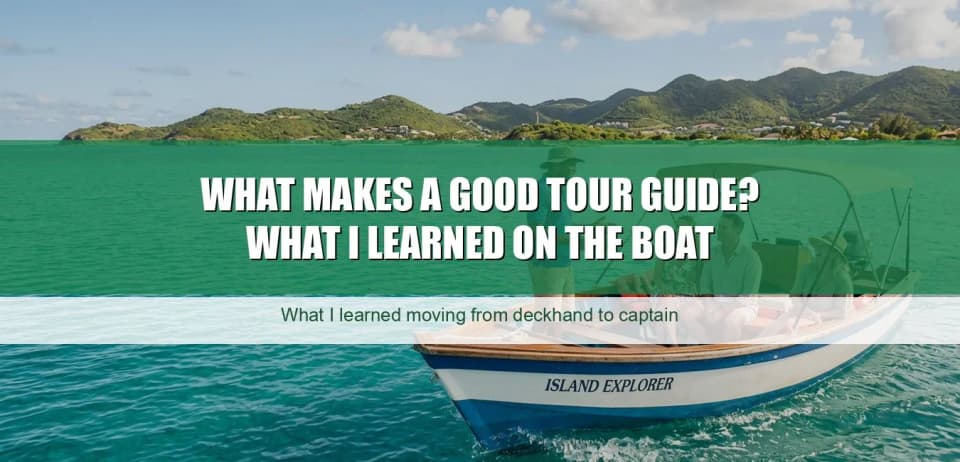
I started on my family's Eagle Tours boats as a deckhand. Then I became a first mate. Then a captain. You learn a lot about being a tour guide when you have spent time doing the work before anyone hands you the responsibility for the trip.
One thing stuck with me: the best guide is not always the person who can talk the longest. On a boat, you have to keep an eye on the guests, the trip, and what the crew is doing. You can be funny and know every reef by name. If a guest is unsure about the next step and you miss it, the performance does not help much.
That is what I look for when I think about tour guide characteristics that matter on a real trip. Not a stage act. Someone who makes a guest feel looked after, without making the whole day about themselves.
Being observant beats having a perfect script
A guide can prepare a good explanation of the island, the reef, or the old buildings in town. I like that. But a script is only useful if you can look up from it.
When I was working trips around St. Martin, I had to pay attention to the group and to the boat at the same time. A guest may be quiet because they are enjoying the view. They may also be unsure where to put a bag, whether they should step forward, or what is happening next. You do not need to make a big show of it. You notice, and you help.
That is a skill you can spot. Does the guide look at people when they speak? Do they notice a question that has not quite been asked yet? Do they leave room for guests to take in the place instead of filling every quiet moment with words?
A good trip is not a lecture. There is room for a story, and then room for the sea.
Guests remember how you made the day feel
People book a tour because they want to see something, do something, or spend time together. A guide is part of that memory whether they intend to be or not.
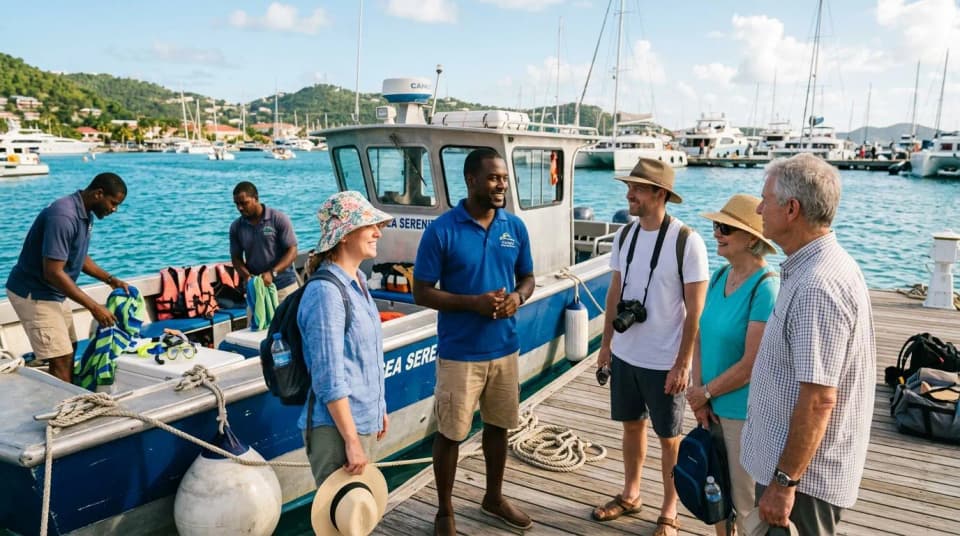
When cruise ship guests or hotel guests came aboard, the guide had to set a tone quickly. Some people were ready to jump in. Others needed a little more time. You do not have to guess perfectly. You do have to make it easy for someone to say, "I am not sure about this," without feeling foolish.
And if something changes, tell people plainly. A guide does not earn trust by pretending every plan is fixed. They earn it by helping the guest understand what is happening now.
Know the place, but do not pretend to know everything
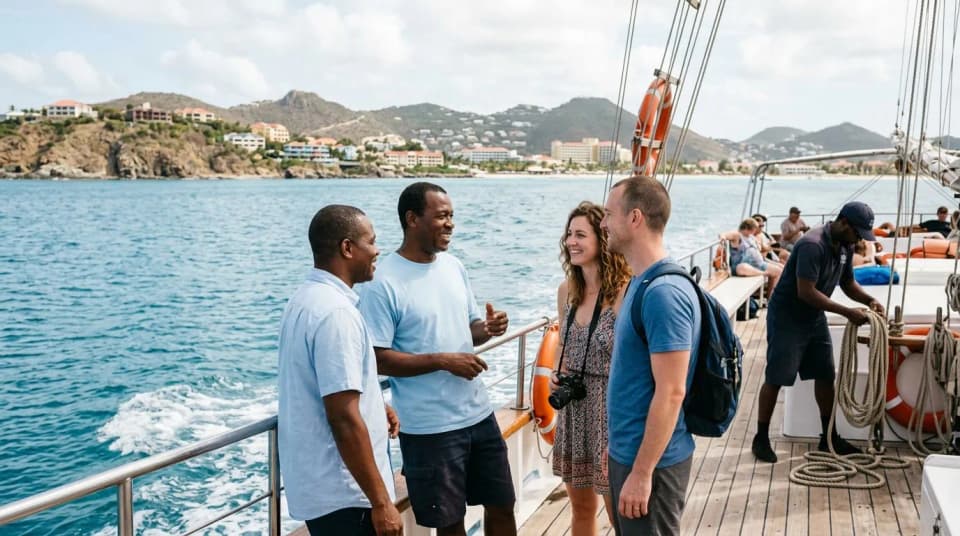
Local knowledge is more than memorizing names. On St. Martin, the French and Dutch sides sit close together, and a boat trip can bring a guest past places they have only seen on a map. A guide who knows the route can make those details feel real.
But I would rather hear "I am not sure, let me check" than watch someone invent an answer. Guests can tell when a story is being stretched. If you do not know whether a beach name has a local pronunciation or what they are looking at offshore, say so. Then find out, or ask a crew member who does know.
Good guides make the crew's work easier
People sometimes talk about a tour as if the guide is the whole operation. On a boat, the trip depends on the crew. The captain, first mate, and guide have to be on the same page about timing and what the group needs. The guest does not need to see every bit of coordination, but they feel the difference when it is missing.
From deckhand to first mate to captain, I saw the job from different spots on the boat. The person speaking to guests needs to understand what the crew can actually deliver. If you tell everyone one thing while the crew is preparing for another, the day starts with confusion.
So I pay attention to whether a guide listens to the crew, not just to the guests. They should be able to pass on a clear message, ask a question when they are uncertain, and avoid promising something the operation has not agreed to. That is not glamorous. It is professional.
The best personality is not one particular personality
There is no single voice or energy that makes someone a great guide. I have met people who can hold a group with a story, and others who are quieter but steady. Both can be excellent. The mistake is hiring for one style and assuming every guest wants that same show.
When you are choosing or developing guides, watch them with the actual kind of trip you sell. A person who is brilliant with a small group on a walking tour may need a different approach on a boat with families, first-time snorkelers, or guests who are watching the clock. That does not mean they cannot do the job. It means you should see how they respond to the setting before you leave them to figure it out alone.
- Give them the trip details. Route, meeting point, timing, and what the guest should expect.
- Let them shadow a run. Watch how they work with the crew and with different kinds of guests.
- Ask what they would change. A good guide usually notices one small thing that would make the trip clearer or calmer.
The tool you use to manage the trip matters here too. If your schedule and booking details live somewhere your crew can check before the run, it is easier to start from the same plan. We built Junglebee's charter booking system for operators who need those pieces connected, but software cannot give someone good judgment with guests.
Give a new guide room to become good
People do not become strong guides just because they are friendly. They learn the route, get comfortable talking to strangers, and figure out when to speak and when to leave a moment alone. I moved from deckhand to first mate to captain over time. Nobody arrives knowing how to do every part of the job on day one.
If you are bringing someone new into the work, give them the context and let them see how your best people handle a trip. Then give them a chance to try it, with someone experienced close enough to help. The guests get a better day, and your new guide learns what the job actually asks of them.
That is the characteristic I would put first: not charm, not volume, not a perfect speech. A good guide pays attention, respects the crew, and cares whether the guest feels looked after. The rest can grow from there.
Booking page, card payments, one calendar for your website, booking page and desk. 4% per card payment, no monthly fee.