Junglebee
Weather Days Are Part of the Product: How I Decide When to Cancel a Tour
A boat operator's view on making weather calls, protecting guests, and building a cancellation process the crew and office can actually follow.
 Michael RouveureFounder, Junglebee ·
Most tour operators do not have a weather problem. They have a weather decision problem.
I learned that on boats in St. Martin, where a forecast can look fine from the dock and feel very different once you are outside the bay. A captain has to decide what the guests cannot see yet: whether the wind will build, whether the sea state will make the trip unpleasant, and whether getting home safely will still be simple a few hours later.
That decision is not a failure of the product. It is part of the product. The mistake is waiting until the guests are standing at the marina before you decide what your weather policy actually means.
The forecast is information, not the decision
I have never trusted a weather app to make the call for me. It can tell me the wind speed, the direction, the rain chance, and what the models expect. It cannot tell me whether a particular boat, route, crew, and group of guests will have a good day on the water.
A sheltered afternoon run around one side of St. Maarten is not the same as an exposed crossing to Anguilla. A big catamaran with an experienced crew is not the same as a small center console with six guests who have never been on a boat. And a group celebrating a birthday may be happy with a little spray, while a family with young children may not be.
So I look at the forecast, then I add the things the forecast does not know:
- The route: Which parts of the trip are exposed, and where can we turn around without making the day worse?
- The boat: How does this hull behave in the expected conditions, with a full group aboard?
- The guests: Are they experienced swimmers, first-time visitors, children, or people who have already told us they get seasick?
- The return: If the wind arrives earlier than expected, can we still get everyone home comfortably?
My red line is guest safety, not guest happiness
Guests often ask whether a trip will be fun in rough weather. That is a fair question, but it is not the question I use to make the call. I ask whether the crew can operate the trip safely and whether the guests can reasonably enjoy it without being put in a bad situation.
Those are different standards. A trip can be technically possible and still be the wrong trip to sell. If the captain is spending the whole day managing the sea instead of looking after the people aboard, the conditions are already too much for that itinerary.
This is where operators get themselves into trouble. They see a calendar full of bookings and start treating every cancellation like lost revenue. I understand that feeling. Fuel has been paid for. Crew have been scheduled. Guests may have flown across the world. But a weather call made to protect one day's revenue can create a much bigger problem later.
I would rather disappoint a guest before departure than have a miserable group on the water, a crew pushed too hard, and a review written by somebody who will never understand what the captain was dealing with.
Write the policy before the first bad forecast
A weather policy should not be a paragraph you find in a contract after somebody asks for a refund. It should be something your office, crew, and guests can understand without a debate.
Decide these parts while the weather is good:
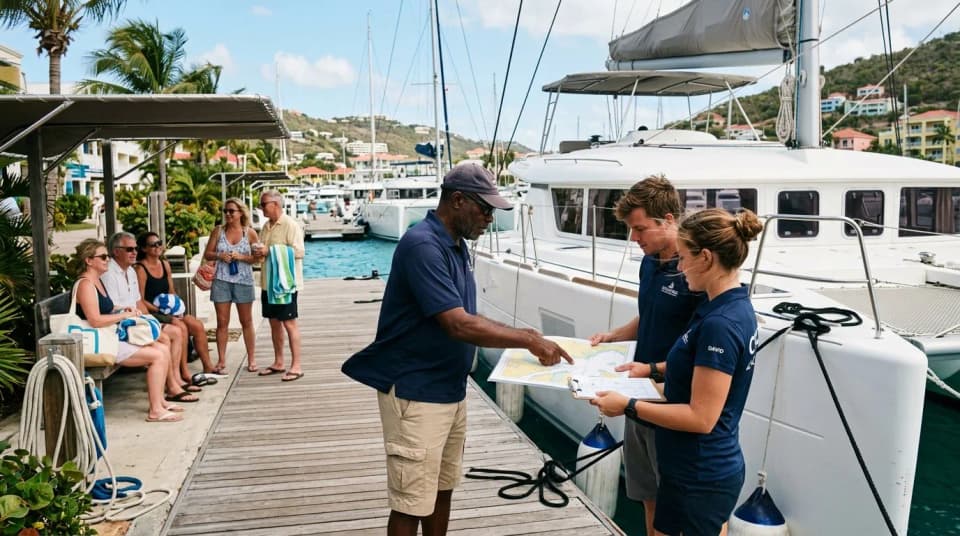
- Who makes the call: The captain should have a clear authority to cancel or change the route. Not a group chat vote. Not a guest poll.
- When you decide: Some trips can be assessed the evening before. Others need a final call that morning, when the local conditions are visible.
- What happens next: Give the guest a reschedule option, a refund option, or an alternative trip when one genuinely exists.
- How you communicate: Say what changed, who made the decision, and what the guest needs to do now.
Do not promise an alternative trip that you cannot actually deliver. That only moves the argument to another day.
The booking process should absorb the weather day
Weather creates enough uncertainty without making the office hunt through email to find every affected guest. The reservation should show the trip, the date, the number of people, the amount paid, and the next action. The person answering the phone should not need three different spreadsheets to work out who needs a message.
When we built Junglebee, this kind of handoff was one of the operator problems I cared about. A weather change is not just a note for the captain. It affects availability, payments, guest communication, and the next booking on that boat.
Keep the message simple. The guest needs to know that the decision was made, whether the trip is cancelled or changed, and how to choose the next step. They do not need a long explanation about every model on the weather app.
Do not hide behind a vague weather message
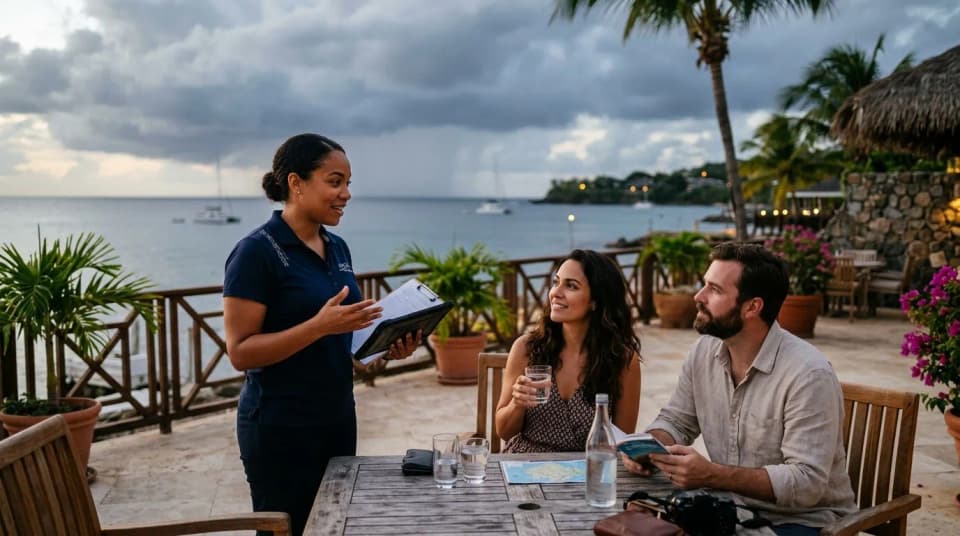
"Due to weather conditions, your tour has been affected" is not useful. A guest reading that still has to call and ask whether the trip is cancelled, whether they should come to the dock, and whether their money is safe.
Tell them the actual thing they need to know. For example: the captain has cancelled today's trip because the expected conditions are not suitable for the route. The guest can move to tomorrow if space is available or choose a refund. If the trip is delayed, give the new meeting time and make it clear whether the route has changed.
And send the message as soon as you know. A guest who hears from you at breakfast can change a beach day, book another activity, or enjoy the hotel. A guest who learns at the dock feels like the whole holiday was handled carelessly, even if the cancellation itself was correct.
A cancelled trip can still build trust
I know an operator's instinct is to apologize too much on a weather day. You feel bad because the guest planned around you. But you do not need to sound ashamed of making the responsible call.
Be direct. Explain the decision. Give a real choice. Then keep your word about the refund or reschedule. That is the part guests remember.
There will always be somebody who says they would have gone anyway. Let them say it. The captain is responsible for the people on the boat, not for proving that a weather forecast was wrong.
My rule is simple: decide from the route, the boat, the crew, and the guests in front of you. Do not let a full calendar make that decision for you. A weather day handled cleanly is not money thrown away. It is part of running a tour business that people can trust.
Booking page, card payments, one calendar for your website, booking page and desk. 4% per card payment, no monthly fee.