

October 14, 2026

What does a tour operator actually want when you walk down the dock asking about tour guide jobs? Not what the posting says, if there even is one. What makes an owner message you at night and say, come do the 9am run tomorrow and we'll see?
I grew up working on my parents' boats at Eagle Tours in St. Martin, taking cruise ship and hotel guests out to the beaches and reefs and across to the neighboring islands. Years later, when we were building the first version of Junglebee, I went around to just about every tour company owner and manager on the island to talk it through. And from where I sit, most people chasing guide work prepare for the wrong test. They polish the CV and memorize facts, while the person hiring is mostly wondering how they'll behave the first time a trip goes sideways.
If you want to work on the water and you're new, I'd look at deckhand roles first. Nobody minds that you can't name every reef yet. They mind if you're standing around while someone else coils a line.
In St. Maarten the busy stretch is roughly December through April, the Caribbean's peak travel season. Atlantic hurricane season officially runs June 1 to November 30, with most storm activity from mid-August to mid-October. I'd ask operators how that affects their trips and crew hours rather than assuming they run year-round.
So I'd start asking in autumn, before high season, rather than waiting until the boats are busy. Turn up in February and the crew list may be set (though a spot can open mid-season, so leave your number anyway). If the US coastal town you're targeting peaks in summer instead, work backward from that local rhythm.
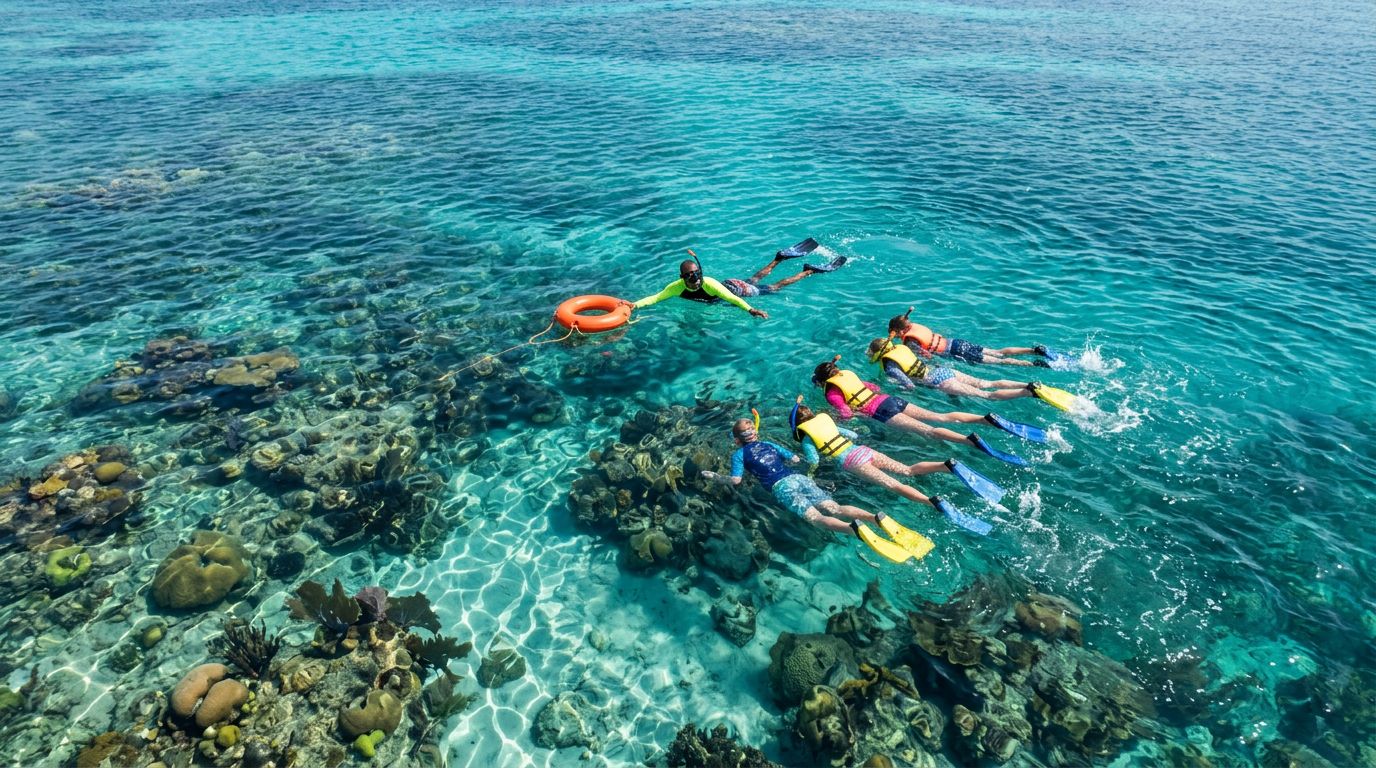
On a small island, I'd start with people as well as postings. An owner might ask the captain, the captain might ask the mate, and somebody's cousin needs work. I wouldn't assume that's a closed club. A personal introduction makes sense when a bad hire ends up on the water with a boatload of strangers.
Local job boards, community groups and crew networks do turn up openings. But I'd put more effort into showing up in person. Go to the marina early, ask for the captain or manager, and pick a quiet moment, not boarding time. Every boat you crew on becomes a reference, good or bad, because owners talk.
First aid and CPR are worth having before you ask anyone for anything. For snorkel work, some operators will also want a lifeguard or water rescue qualification, but what counts varies by place, so ask.
For dive work, PADI Divemaster is the first professional level. To start, you need to be 18, hold Advanced Open Water and Rescue Diver or equivalents, have 40 logged dives, first aid and CPR within 24 months, and medical clearance within 12 months. For captaining US passenger tours, check the Coast Guard credential required. The OUPV "six-pack" covers small uninspected boats with up to six passengers for hire; it requires 360 days of vessel-operation service, medical clearance, drug-testing compliance, first aid and CPR, among other things. The islands have their own maritime rules, so don't buy a course until you know what's recognized where you want to work.
Work permits are where people get hurt. Before taking paid work on another island, check whether you need a permit and who must apply for it. Jamaica's labour ministry, for example, takes applications through the prospective employer and asks what that employer did to recruit a Jamaican first. A CARICOM Skills Certificate can replace a permit in participating states for approved categories; some countries have broader free-movement rights. Rules differ by island and they change, so check with the labour department or immigration office where you want to work. And be wary of cash work "until the permit comes through." Jamaica warns that working while an application is pending may lead to prosecution.

Most guide jobs I know of pay a wage or day rate plus tips, and on some boats the tips get pooled and split across the crew. For a US reference point, the Bureau of Labor Statistics put the median for tour and travel guides at about $18 an hour in May 2025, and it notes that part-time work is common and the work may be seasonal. Caribbean pay varies too much by island for me to guess.
So ask the boring questions before you say yes. Is it hourly or a day rate? How are tips split, and who decides? Do you get paid when Christmas Winds blow out the morning trip? A good operator won't mind you asking. A vague answer tells you plenty.
I'd take a so-so CV with a great trial day over the reverse, every time. Your script barely matters. I'd worry less about a route that can be learned. What can't be taught quickly is how you handle guests, especially in a bad moment.
A trip where everything goes right tells nobody anything. The useful part is the guest who goes green twenty minutes out, or the second stop that's too rough when half the group booked for it, or the cruise passenger checking her watch every five minutes because the ship leaves at four. The operator wants to see whether you stay calm and kind, keep the rest of the group happy, and tell the captain early instead of fixing it alone.
They're also watching the small stuff. Did you show up early and ask what needed doing? Were you still useful after the last guest stepped off, when the boat needs hosing and nobody's tipping anymore?
Nothing we've built at Junglebee can tell an owner who'll be good on a bad day. Only the day can. So treat the trial like the job.


