

September 16, 2026
When I was running SXM Deals, a guest wanted to make a big booking. A really good booking. I did not want to take the money before the operator confirmed the trip, so I sent the request over and waited.
Two days.
Not two minutes. Two days. By the time the operator got back to me, the guest had gone quiet. I lost the booking, and I was left staring at an inbox thread that should never have existed in the first place.
I think about that every time I talk to an operator about booking emails. A guest does not experience your booking system, your inbox, or the handoff between your office and the boat. They experience whether they feel looked after. The first email after payment is where that feeling starts.
Say thank you clearly, then remove the next question before the guest has to ask it.
That is the whole job. Not a long brand story. Not five links to every tour you sell. Not a receipt covered in internal reference numbers that mean nothing to the person standing in an airport with a phone at 11:30 at night.
When someone searches for a "thanks for booking" email, they are usually looking for words. I think operators should start with the work the email needs to do instead:
If your email does those three things, it has already done more than most of the polished templates I see.

I would keep the first paragraph plain: thank you, your trip is booked, and here is the date. Then I would put the useful details where a guest can find them without digging.
Something like this:
Thanks for booking with us. We have your sunset cruise reserved for Friday, December 12, at 4:00 p.m. Please arrive at the marina by 3:30 p.m. We will send the meeting point and captain's contact details below.
After that, I would use a short list:
Do not hide the meeting point behind a button labelled "View details" if the guest needs it to get into a taxi. Put the address in the email. Put the phone number in the email. We all know guests will still call, but at least they will be calling with the right information in front of them.
This is the part operators often miss. The booking email is not only for the guest. It is also a record of what your office promised.
Back when I was dealing with bookings for SXM Deals, the hard part was not typing an email. The hard part was knowing whether the operator had actually seen the request, accepted it, and had the right details. Activity desks at hotels had their own version of the same mess: a guest would arrive with a small piece of paper, a room number, and not much else.
So I would make the handoff visible in the guest's message. If hotel pickup is involved, name the hotel and the pickup window. If the operator will confirm a weather decision later, say who will send that update and when. If the trip is not confirmed yet, do not write as if it is. A cheerful email that promises a trip nobody has accepted is worse than a slower honest answer.
That is one reason we built Junglebee around booking status and confirmations rather than treating the guest email as an afterthought. The message should reflect what is actually happening in the operation.
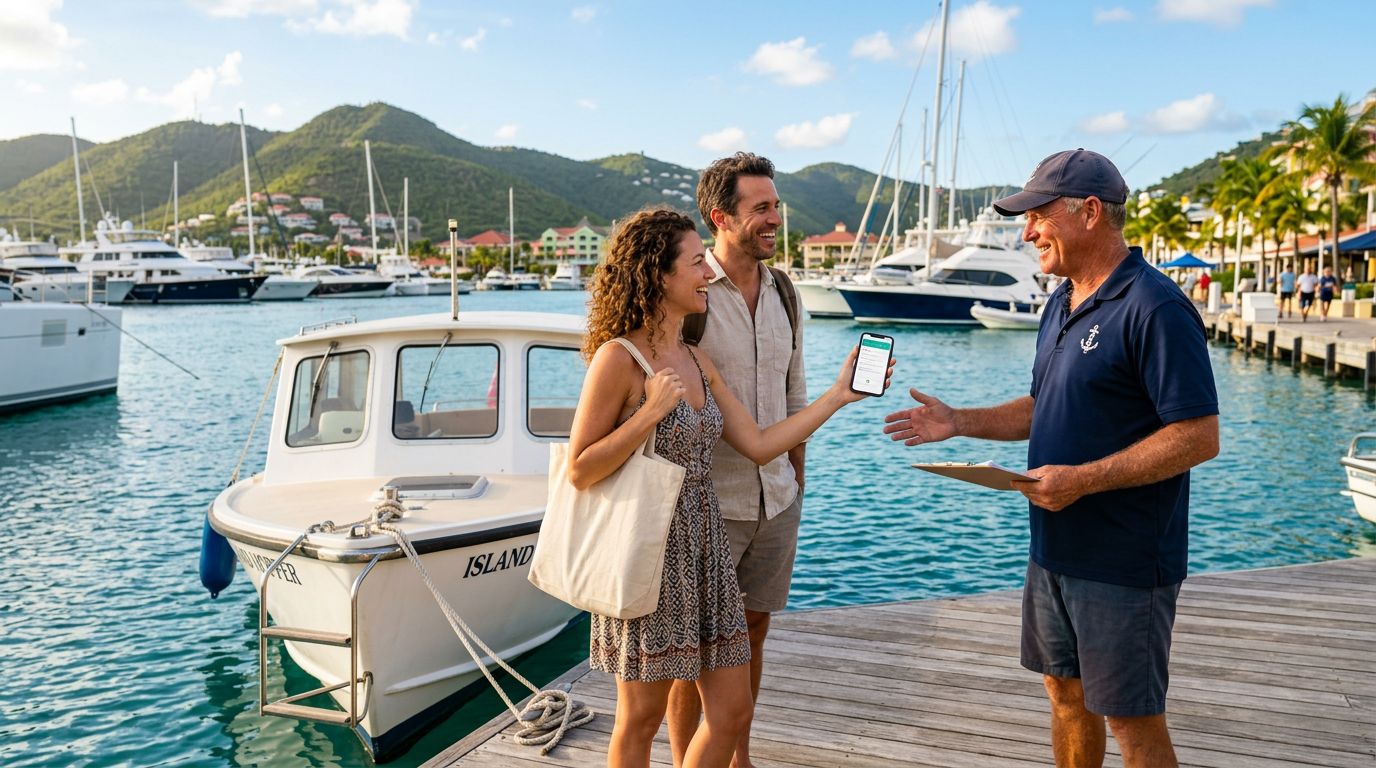
I understand why operators add every extra tour, excursion, and partner link to the first email. You have a guest who has just paid. It feels like the right moment to sell something else.
Usually it is not.
The guest is checking whether the booking went through. Give them that moment. If you have a useful add-on, mention one thing after the practical details: a snorkel rental, a hotel pickup, or a simple option that genuinely belongs with the trip. One. Not a catalogue.
And do not call it an opportunity to maximize revenue. Call it what it is: helping the guest have a better day. The difference shows in the wording.
If you would like to add a private pickup from your hotel, reply here and we will tell you if we can arrange it.
That sounds like an operator. It does not sound like a funnel.
If I book a boat trip, I want the email to answer the questions I will have five minutes later. Where do I go? What time should I arrive? What do I bring? Who do I call? What happens if the weather turns?
That is the standard I would use. Read your own confirmation on a phone, not at a desk. Pretend you are a guest landing in St. Maarten with a suitcase, weak Wi-Fi, and a taxi driver asking for the marina name.
If the answer is buried, rewrite it. If the email says something your crew cannot deliver, fix the promise. And if the guest still needs to email you to ask whether the trip is actually confirmed, the email is not finished.
I lost a booking once because a confirmation took two days. Your thank-you email cannot solve every booking problem, but it can make sure the next step is clear while the guest still feels good about choosing you.


