Junglebee
SEO for Tour Operators: The First Page I Would Fix Before Buying Ads
A founder's practical take on SEO for tour operators: fix the trip page and booking path before buying ads or chasing more traffic.
 Michael RouveureFounder, Junglebee ·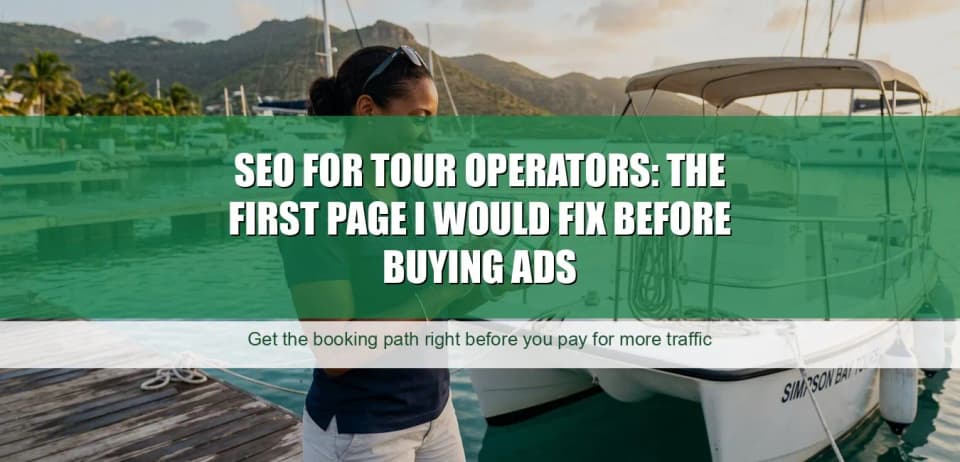
SEO for Tour Operators: The First Page I Would Fix Before Buying Ads
A guest once tried to book a large charter through SXM Deals. It was a serious booking, enough money that I did not want to take the payment before the operator confirmed the boat.
So I sent the request to the operator and waited. And waited. It took something like two days to get an answer.
Two days. Not two minutes.
We lost the booking. That was one of the moments that made me realize a tour operator's website is not just a brochure. It is part of the operation. If a guest finds you in a search result but cannot understand the trip, check availability, and get a clear confirmation, the traffic does not mean much.
When people ask me about SEO for tour operators, I do not start with a list of keywords. I start with the page a guest sees right before they decide whether to contact you. Fix that page first.
The page that should do the heavy lifting
For most tour businesses, that is the page for the actual trip. Not the home page. Not a paragraph on an activities page that lists twelve unrelated excursions. The page for the sunset cruise, the snorkel run, the fishing charter, or the private boat day.
A guest should be able to answer a few basic questions without calling you from a taxi:
- What is the trip? Say what happens, where it goes, and who it is for.
- What does it cost? Give a real starting price or explain the quote clearly.
- How long is it? Include departure time, return time, and what guests should bring.
- What happens next? Make the booking or enquiry path obvious.
That sounds simple. A surprising number of pages make the guest work for every answer. Search engines notice that people leave those pages, but more importantly, guests notice first.
Write the page for the person holding a phone on vacation
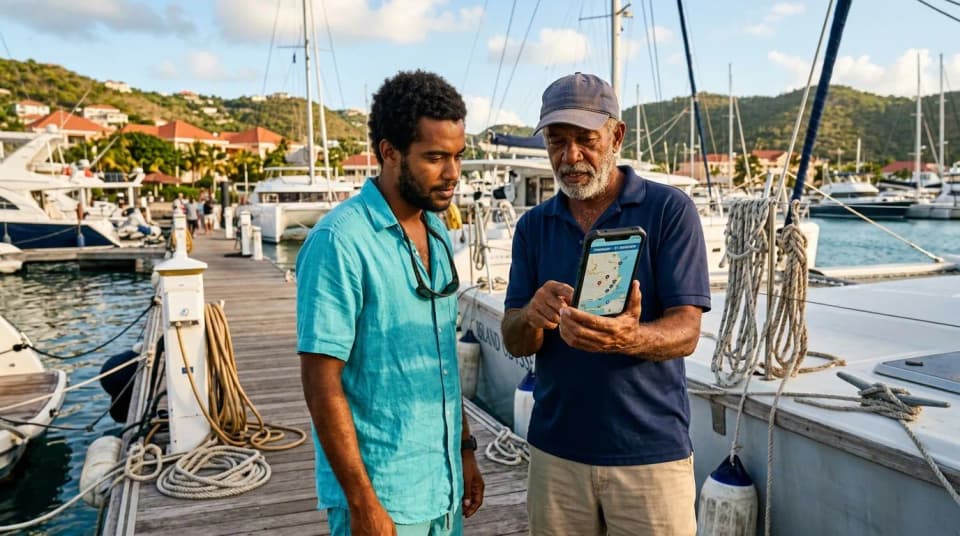
Most guests are not reading your trip page at a desk with a cup of coffee. They are standing outside a hotel in Philipsburg, sitting in an airport transfer, or looking at their phone while deciding what to do on a cruise day.
So I would put the practical details near the top. A strong opening section might say: private half-day charter from Simpson Bay, up to six guests, swimming and snorkeling around the islands, four hours, fuel and gear included, book online or ask about a custom route.
That is not fancy writing. It is useful writing. The search phrase may bring the guest to the page, but clear details are what keep them there.
I also like putting the meeting point and the operating area in plain language. St. Maarten is not one generic beach destination. A guest may be staying on the French side, arriving at the cruise port, or trying to work out whether a trip can reach Anguilla. Say what is actually possible.
Make one page answer one real question
A common mistake is trying to make one page rank for everything. A single page gets stuffed with snorkeling, fishing, private charters, sunset cruises, family trips, and every island nearby. It becomes a menu, not a useful answer.
I would give each important trip its own page. A guest searching for a St. Maarten snorkeling tour should land on a page about that snorkeling tour. A guest looking for a private boat charter should not have to hunt through the snorkeling details to find out whether the boat is available for a full-day hire.
This also gives you a better way to see what is working. If the snorkeling page gets enquiries but the private-charter page does not, you can look at the details, photos, price, and booking path for that one trip. You are not guessing at a giant page that tries to cover the whole island.
And do not create pages for places or trips you do not actually operate. I have seen businesses publish pages for every nearby island because they think the names will bring traffic. If the guest arrives and discovers the trip is not available, you have paid for a bad first impression.
Your booking path is part of your SEO
Search rankings are not the only reason to make booking easy. But a page that promises a trip and then sends the guest to a dead end is doing half a job.
Years ago, running SXM Deals, I was forwarding bookings to operators and asking them to confirm by email. Some were quick. Others were out running the boat, cleaning up, eating, and finally going to bed. That was not a marketing problem. It was an availability problem that showed up after the guest had already found the business.
Today, I would check the full path on a phone:
- Tap the booking button. Does it work without pinching and zooming?
- Choose a date. Can the guest see what is actually available?
- Read the confirmation. Is the meeting point, time, and next step clear?
- Try again as a guest. Look for the small error that your regular staff no longer sees.
When we built Junglebee, this connection between the page, availability, payment, and confirmation was the problem I wanted to fix. The point is not to add more buttons. The point is to let the guest move from interest to a real booking without waiting for somebody to find a piece of paper or answer an email.
What I would check before spending on ads
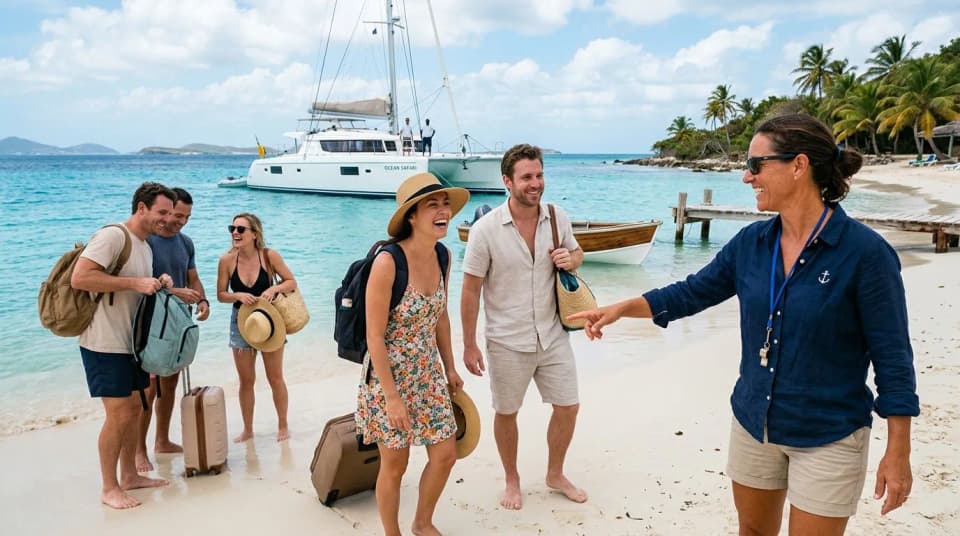
I am not against paid advertising. I am against paying to send more people to a page that is already confusing them.
Before buying ads for a tour, I would ask:
- Can a guest understand the trip in ten seconds?
- Can they see the price, duration, location, and availability?
- Can they book from a phone without waiting for a manual reply?
- Does the confirmation tell them exactly where to go and when?
If the answer is no, fix that first. Then ask your crew to use the page as if they were guests and watch where they hesitate. Two minutes of watching is more useful than another meeting about website strategy.
That is my practical view of SEO for tour operators. Get found, yes. But make sure the guest finds a page that tells the truth about the trip and makes the next step easy.
The page is not finished when it ranks
I still think about that SXM Deals booking that sat unanswered for two days. The problem was not that the guest could not find the tour. They found it. The problem was that the system behind the page could not give them a fast answer.
So if you only do one thing this week, open your most important trip page on your phone and try to book it like a guest. Do not defend it. Do not explain it from memory. Just watch what happens.
More visitors are useful. A clear path from search to the boat is what turns them into guests.
Booking page, card payments, one calendar for your website, booking page and desk. 4% per card payment, no monthly fee.