Junglebee
How to Start a Food Tour Business Without Losing the Guest in the Handoff
A founder-operator guide to launching a food tour: choose the route, price the whole experience, and build a handoff guests and partners can trust.
 Michael RouveureFounder, Junglebee ·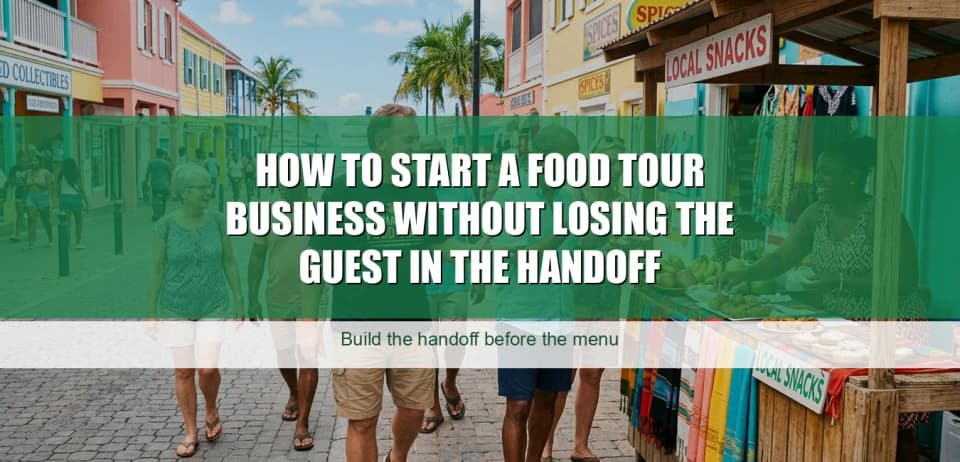
How do you start a food tour business when the restaurants, the guide, the weather, and the guests all have to arrive at the same time? Not with a logo. Not with a beautiful list of dishes. You start by working out what happens when one part of the day changes.
I learned that lesson before I built the software. When I was running SXM Deals, I had a large booking come in and I did not want to take the guest's payment until the operator confirmed the space. I sent the message and waited. The operator got back to me something like two days later. Two days. The guest had moved on, and I lost the booking.
A food tour has the same weak point, even if there is no boat involved. The guest does not care that the restaurant forgot to answer, the guide is looking at an old spreadsheet, or the booking came through a hotel desk. They just know they booked lunch in a place they have never visited. So build the handoff before you build the menu.
Choose one food story, not a whole city
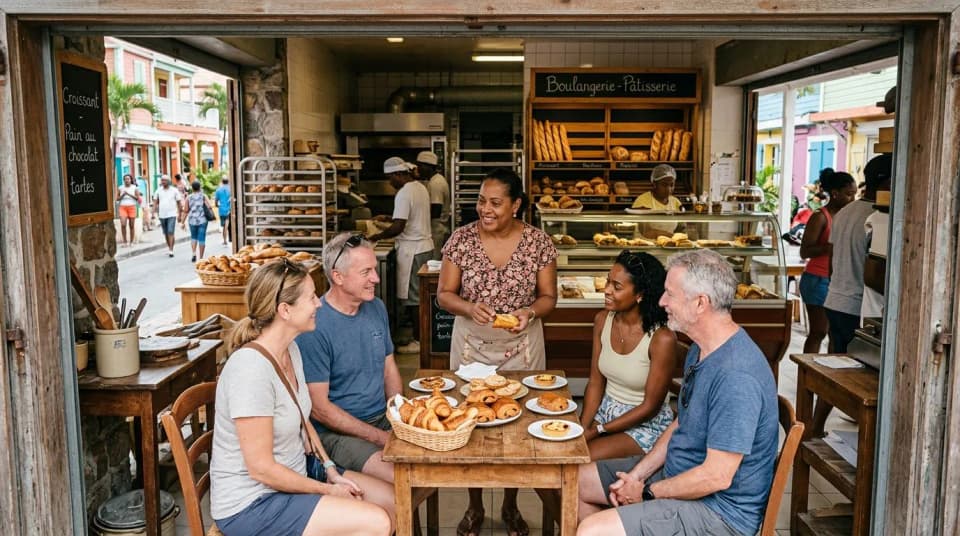
The best food tours are not a list of every good place in town. They have a point of view. Maybe it is the bakeries and market stalls of Philipsburg, the French-side lunch traditions around Marigot, or the places a local actually stops after work. The guest should understand why these stops belong together.
When you start, keep the first version small enough to deliver yourself. Pick a route with a short walk between stops. Speak to each owner in person. Eat the food at the time your guests will eat it. Then ask the boring questions that decide whether the tour works:
- Can the kitchen serve the group without making everyone wait an hour?
- What happens when a guest is late or has an allergy you did not expect?
- Who is the backup if a venue closes, runs out of a dish, or changes its hours?
Do not promise six stops because six looks good on a sales page. Promise the experience you can repeat on a busy Saturday.
Price the whole afternoon, not just the plate
Food is only one part of what you are selling. You are also paying for the guide's time, coordination with venues, transport if there is any, booking fees, refunds, and the time you spend answering the question that always arrives five minutes before departure: "Where exactly do we meet?"
Write down the cost of one real run before deciding on a price. Use a round example if you need to. Say you take ten guests at $80 each. That is $800 coming in, but it is not $800 of profit. Subtract the food or venue payments, the guide, taxes and permits you are responsible for, payment processing, and a reserve for a guest who cannot make it.
And be honest about your own time. If you spend an hour confirming every venue, another hour fixing a date change, and another hour reconciling payments, that is part of the cost of the tour. It does not become free because you did it after dinner.
Make the booking carry the guest's real details
A food tour booking needs more than a name and a number of seats. It needs the details that let a guide deliver the day without guessing.
- Meeting point: Give a landmark and a clear arrival instruction, not just a street name.
- Dietary needs: Collect allergies and restrictions during booking, then make them visible to the guide and the venues.
- Timing: Show the start time, expected finish, and what happens if the guest arrives late.
- Partner source: Record whether the booking came from your website, a hotel, an agent, or another local partner.
- Payment status: Keep the deposit, balance, refund, or amount still due attached to the reservation.
This is where a lot of new operators make a mistake. They collect the details in one place, the payment in another, and the venue confirmations in a chat thread. Then the guide is standing on a corner with the wrong version of the guest list. That is not a food problem. It is an operations problem.
Test the ugly booking before you launch
Do not test your process with a perfect booking made by you. Test the booking that makes you nervous. Ask a friend to book through the website on a phone. Have someone else book through a hotel or local partner. Add a dietary restriction. Move the date. Then cancel one venue and see who gets told what.
I would check four moments closely:
- After payment: Does the guest receive a confirmation that says where and when to meet?
- After a change: Does the new date replace the old one everywhere, or do you now have two versions?
- Before the tour: Can the guide see the latest guest list and the details that matter?
- After a cancellation: Can you tell what was refunded and what each venue is owed?
If you still copy information from email into a spreadsheet, you are not ready to add more stops. Fix the handoff first. We built Junglebee around this kind of operator problem: the booking, the payment, the availability, and the people delivering the experience should not live in four separate places.
Find partners who understand the promise
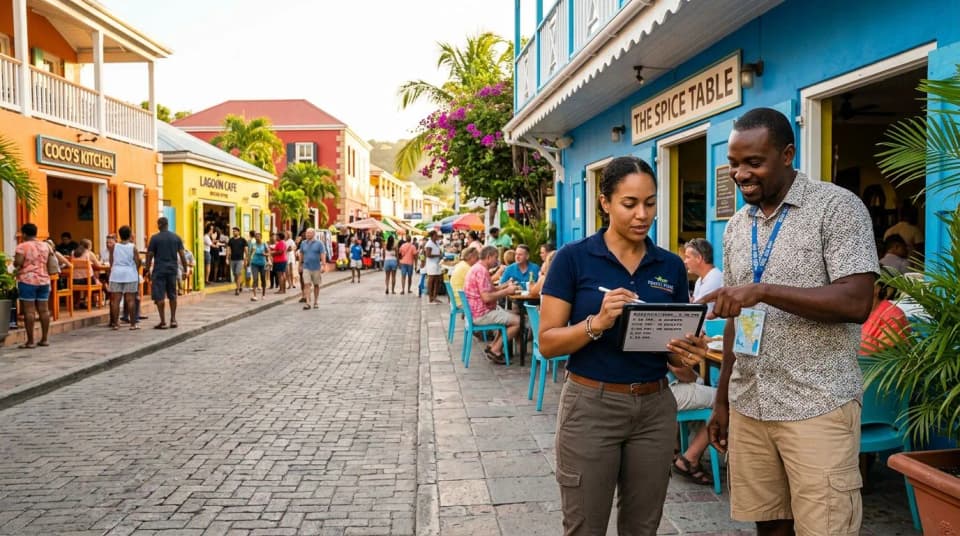
A food tour is a partnership business. The restaurant is not just supplying a plate. It is part of the moment the guest will remember and the review they will write later.
Explain your promise to every venue. Tell them how many guests you bring, when you arrive, what you need ready, and how you will handle a guest who has an allergy or cannot eat a particular dish. Pay them on time. Give them a way to tell you when the plan is no longer working.
I would rather have three reliable stops than eight places that treat your group as an interruption. And I would rather change the route myself than send a guide to apologize for a venue that never really agreed to the tour.
The first tour should teach you the route
Your first food tour is not the finished product. It is a delivery test with real guests watching. Keep the group small enough to hear what is happening. Notice where people bunch up, where the guide has to repeat instructions, and where the timing starts to slip.
Afterward, ask the guests one useful question: "Was there any point where you were unsure what was happening next?" That answer will usually be more valuable than a long survey.
Starting a food tour business is really starting a promise: you will take someone through a place, introduce them to people and flavors, and make the day feel easy. The food matters, of course. But the promise breaks at the handoff - when the venue, the guide, the partner, and the guest are working from different information.
Get that part right before you add another stop. A smaller tour that runs cleanly will teach you more, earn better word of mouth, and leave you with enough energy to do the next one.
Booking page, card payments, one calendar for your website, booking page and desk. 4% per card payment, no monthly fee.