Junglebee
How to Become a Travel Agent for Tours: What I Would Learn First
Michael's operator-first advice for selling tours: learn the dock, confirm availability, and build a clean handoff before chasing more guests.
 Michael RouveureFounder, Junglebee ·
Most people think becoming a travel agent for tours starts with finding a few nice experiences and putting them on a website. I think that is backwards. The real job is learning what happens between a guest saying "yes" and a boat actually leaving the dock.
I learned that the hard way with SXM Deals. I had a large booking come in, and I did not want to take the guest's payment before the operator confirmed the trip. So I sent the request over and waited. The operator took something like two days to get back to me.
Two days. Not two minutes. By then, the moment was gone. That booking was a lesson I still carry: if you sell tours, you are not just selling the view from the boat. You are selling a confirmed place on it.
Start by learning the operator's day
Before you call yourself a travel agent, spend time with the people who actually run the trips. Go to the marina. Watch a captain get a boat ready, a deckhand load supplies, and an office manager answer three calls while trying to keep track of tomorrow's guests.
I grew up doing this around St. Maarten. I started as a deckhand with my family's Eagle Tours, then became a first mate and captain. A tour looks simple from the beach. It is not simple from the dock. Weather changes. A guest is late. A boat comes back with a mechanical issue. A cruise ship day fills every seat at once.
You do not need to become a captain to sell tours well. But you do need to understand the pressure your operator is under. If you promise a time, a boat, or a pickup point without knowing how those things work, you create a problem for somebody else.
Choose a place and a type of guest
A new agent often tries to sell everything to everyone. Island tours, fishing trips, scuba, sunset cruises, airport transfers, hotel activities. I understand the temptation. More products sounds like more chances to earn.
In practice, a narrow starting point is easier to operate and easier for guests to trust. You might focus on snorkeling trips for hotel guests in St. Maarten, fishing charters for visitors staying near a marina, or family-friendly day trips sold through a small group of hotels.
Then learn the questions those guests actually ask:
- What is included? Guests want to know about food, drinks, gear, transfers, and any extra fees before they commit.
- What happens if the weather changes? You need the operator's real rescheduling and cancellation rules, not a version you made up to sound reassuring.
- Where do we meet? A vague answer creates a phone call at the worst possible time - usually when the boat is already preparing to leave.
Your first job is not to have the biggest catalog. It is to know a smaller catalog properly.
Build a confirmation process before you build an audience
This is where many new agents get into trouble. They spend weeks on a logo, social posts, and a beautiful list of experiences. Then the first real booking arrives and they are still sending messages around trying to find out if the trip is available.
That is exactly the bottleneck I ran into with SXM Deals. I could bring the guest. I could collect the details. But I was still relying on each tour operator to open an email and reply. Some were quick. Others were running the boat, cleaning it, eating dinner, and going to bed before they saw the request.
Write down your handoff before you promote anything. Decide:
- Where availability comes from and who is allowed to change it.
- What counts as a confirmed booking.
- Who sends the guest the meeting instructions.
- Who handles a date change, a no-show, or a weather day.
If your answer to every question is "I will message the operator," you do not have a process yet. You have a collection of hopes with a phone attached.
Do not confuse a booking request with a booking
A request is what the guest wants. A booking is what the operator has accepted. Those are different things, and an agent has to be very clear about the gap.
I would rather tell a guest, "I am waiting for confirmation and will update you shortly," than take payment and quietly hope somebody can fit them in. That may lose a sale in the moment. It protects your reputation over time.
Give the guest one clear status. Confirmed means confirmed. Pending means pending. Cancelled means cancelled. Do not use a vague phrase like "we should be good" when a family has already arranged flights, taxis, and a morning around the trip.
And make the operator's side just as clear. They should see the date, start time, guest count, contact details, payment status, and any special request without having to reconstruct the booking from five messages. We built Junglebee around this kind of handoff because I had lived through the messy version. If you are evaluating your own setup, start with the booking workflow that keeps the operator and agent in the same system.
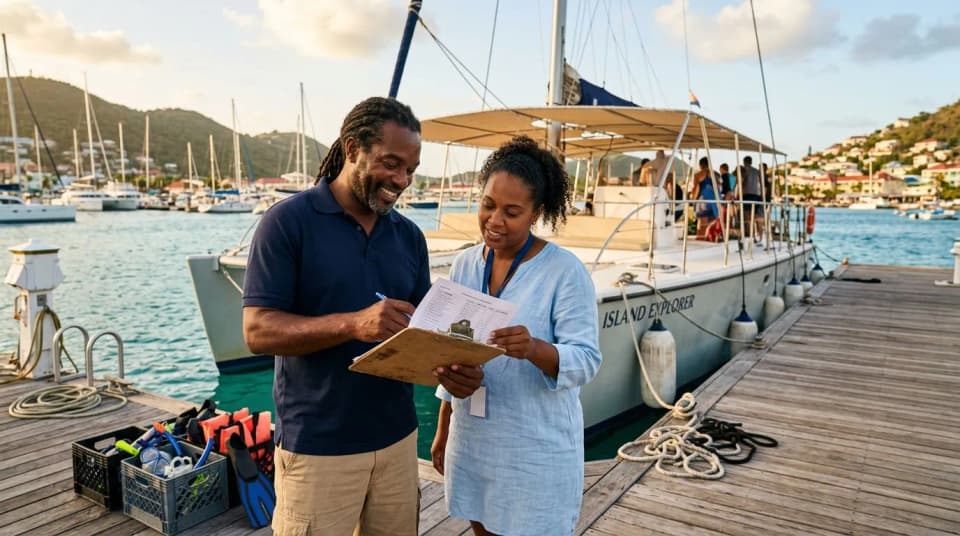
Earn trust with the people who already have the guest
Hotels, villas, dive shops, taxi drivers, and concierge desks already speak to visitors every day. They can become good partners, but only if you make their work easier.
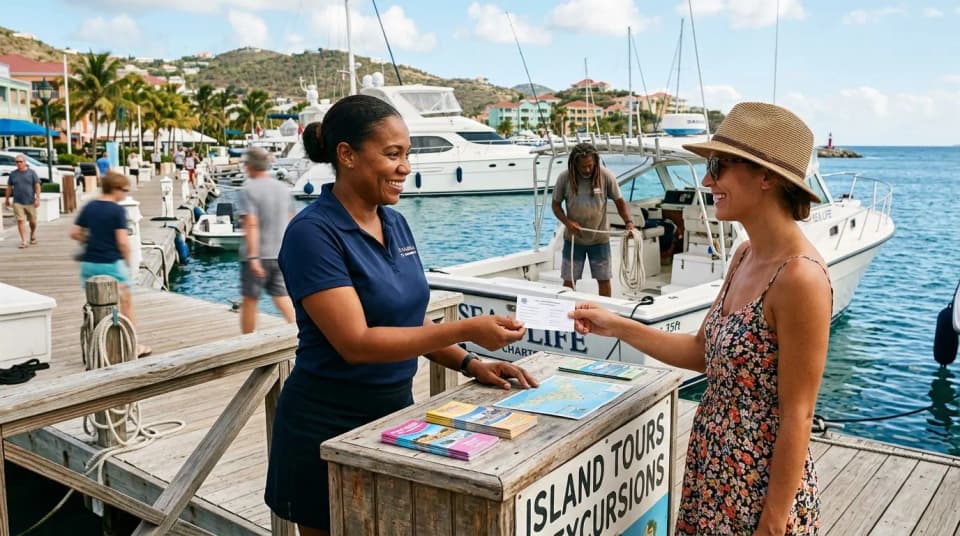
When I was growing SXM Deals, hotel activity desks sometimes called for availability or sent a guest over with a little piece of paper. The paper might have a name, a room number, and a phone number. The operator then had to figure out where the booking came from and what had actually been promised.
Do not ask a hotel partner to sell a trip using information you have not organized. Give them a short description, the correct price, what is included, the meeting point, and the answer to the weather question. Pay attention to whether they can see availability or whether every request has to go through you.
And be honest about commission. A partner who does not understand what they earn will stop recommending you. This is not complicated, but it needs to be written down.
The first version should be small enough to control
You do not need a hundred operators on day one. You need a few operators you know well enough to trust. You need a guest handoff that does not depend on somebody remembering to check an inbox. You need to know what happens when the sea is rough and the original plan is no longer safe.
My strong opinion is that a travel agent who cannot see real availability is not really selling travel. They are selling a promise they cannot control. More advertising will not fix that. More followers will not fix it. Fix the handoff first, then bring more guests into the system.
That is the part I would learn first. Not how to make the business look big. How to make one booking move cleanly from a guest's question to a captain's confirmed passenger list.
Booking page, card payments, one calendar for your website, booking page and desk. 4% per card payment, no monthly fee.