Junglebee
Fishing Charter Marketing: Sell the Captain and the Date
Fishing charter marketing: sell the captain, show your open dates, price half and full days clearly, and turn fish reports and past anglers into bookings.
 Michael RouveureFounder, Junglebee ·
- Fishing charter marketing should sell the captain and the season first; anglers want to know who's at the helm and what's biting when.
- Put half-day and full-day prices, inclusions and deposit rules on the page, and let guests book a specific date and boat online.
- Use fish reports, Google reviews, concierges and your past-angler list to drive repeat bookings; treat OTAs as a supplement, not the only channel.
Most fishing charter marketing I come across is snorkel-tour marketing with a fish photo stuck on top. Same turquoise hero shot, same booking button that opens a contact form. I think that costs fishing operators more than anyone, because the person booking a fishing trip doesn't shop like a family picking a snorkel stop.
An angler is buying a captain, a season and a real shot at a particular fish. Write for anglers who've fished before and may measure you against their best day. So your marketing has to make a stranger trust your captain, then make booking a specific date painless.
Anglers shop for the captain before the boat
On a catamaran day, the boat and the beach are the product. With fishing, the question under every inquiry is simpler: does this captain find fish?
So put the captain at the front. A real photo of the person who'll be at the helm, not a stock marlin. A few plain lines on what they target and where, like mostly mahi and tuna on the full day and bottom fishing on the half. If you run two boats, say which captain runs which one, because repeat anglers will ask for a name the second time around.
And be straight about seasons. If a species mostly shows up in certain months where you fish, say so on the page, and say what's realistic outside those months. Give anglers a reason to trust you in the slow month and return in the good one. Don't sell a fantasy.
Price it so nobody has to ask, then let them book the date
Half day or full day? Four hours or eight? Per boat or per person? Is bait included? Tackle? Can I bring my own rods? Do we keep the fish? Every one of those questions is a message, and every message is a chance for the guest to book whoever answered it on their website.
Put the answers on every trip page, in a short, boring list:
- Trip length and rough departure times for the half and full day
- Price per boat, or per person on shared trips, and how many anglers it covers
- What's included, like bait, tackle, drinks and any fishing license where one applies
- What isn't included, plus your policy on keeping or releasing the catch
- The deposit, when the balance is due, and what happens if the weather turns
Now the part I'll argue with anyone about. If a guest has to WhatsApp you to find out whether Saturday is open on the bigger boat, you're losing some of those people, and you'll never know how many. You're offshore when the message comes in. That's the job. By the time you reply, they may have booked the operator whose site showed the date was open and took a deposit on the spot.
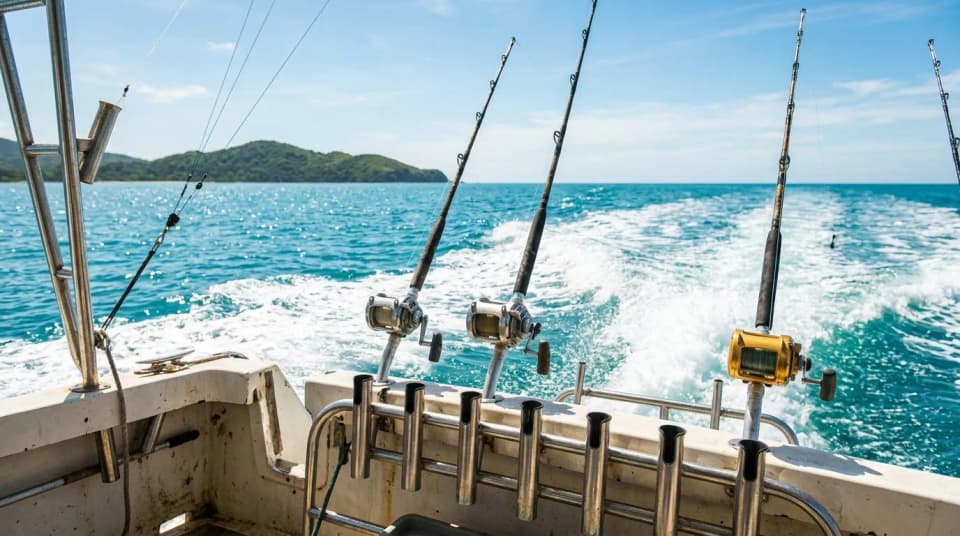
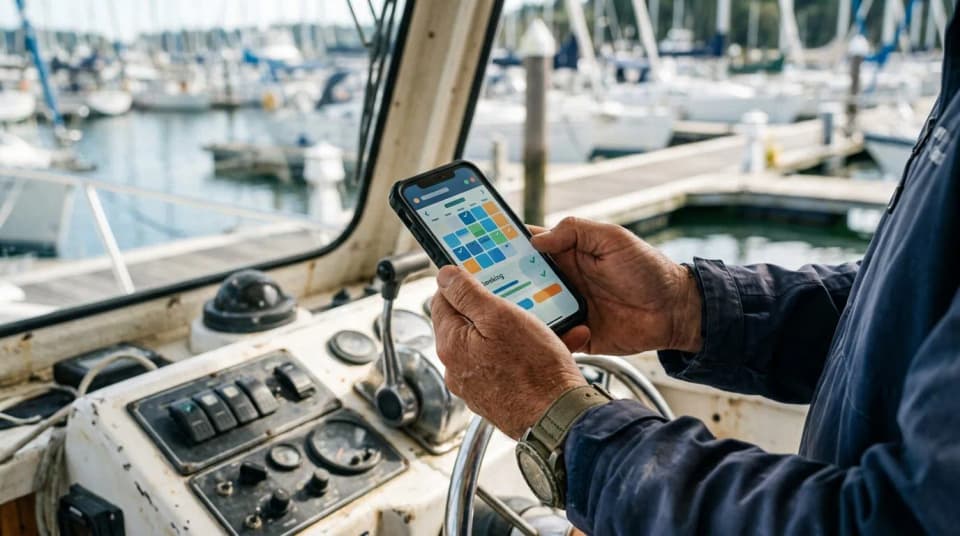
Your website should show real availability by boat and by date, take the deposit, and send the confirmation without you touching it. Junglebee's charter booking lets guests choose a boat and date, pay a deposit and get an emailed confirmation.
Fish reports people book from, not just like
I think a good fish report is your best ad. "Great day on the water!" with a fish on the dock tells the reader nothing.
Write it like a captain talking to another angler. What the water and wind were doing, what you caught and released, what bait worked, and what you expect over the next couple of weeks. Then finish with the useful line: which days you still have open. I'd end a report with "two full days open next week" rather than an emoji.
On photos, ask your guests before you post them, and get the people in the shot, the angler and the captain, not only the fish. Slow days get a report too. Anglers know fishing has bad days, and an honest slow-day report makes your good ones believable.
Google is where your reputation gets checked
A guest considering a captain they've never met may look you up on Google. Once your profile is verified, Google lets you reply to reviews, add your own photos and publish posts, and it gives you a review link or QR code to share.
Make the QR code available to every guest at the dock, without pressure to review on the spot. Don't offer a discount or a free drink for a review, though. Google's policies prohibit incentives for reviews, and reviews that break the rules can be removed.
Reply to reviews that say something specific, and use the captain's name. "Glad you got into the dorado with Captain Sam" (or whoever ran it) reads better to the next angler than a copy-paste thank you.
Hotels, villa managers and the little piece of paper
Years ago, when I was talking to operators on St. Martin about how bookings reached them, the complaint about hotels was always the same. An activity desk would call to ask about availability, or just send the guest along with a little piece of paper with a number on it. Then the operator had to figure out which hotel it came from and what the room number was. It was a massive mess.
Concierges and villa managers are still great sources for a fishing charter, especially for full-day private groups. But they'll send guests to whoever makes it easiest. Give them a way to see your open dates and book directly, a clear agent rate, and a one-page sheet on what to bring and when to show up.
Online travel agencies are worth a look too, mostly for getting found by people who've never heard of you. Viator, for example, says its commission is charged on completed bookings and the rate varies by location, so read your actual agreement before you price. Just don't let an OTA become the only way anglers can reach you.
The anglers you already have
I'd start with people who have already fished with you. Remind them of the captain and the boat, and give them a reason to return when the season comes back around.
So keep a list of past anglers, with their permission, and send them your fish reports when their species starts showing up again. One rule: start that list on your next trip, and make sure the link in every email goes to a page where they can pick the date and pay the deposit themselves.
Booking page, card payments, one calendar for your website, booking page and desk. 4% per card payment, no monthly fee.