Junglebee
Things to Do in St. Lucia: What I Would Build Around as a Tour Operator
An operator's shortlist of St. Lucia products: the Pitons, Soufriere, Pigeon Island, and how to build tours the crew can actually deliver.
 Michael RouveureFounder, Junglebee ·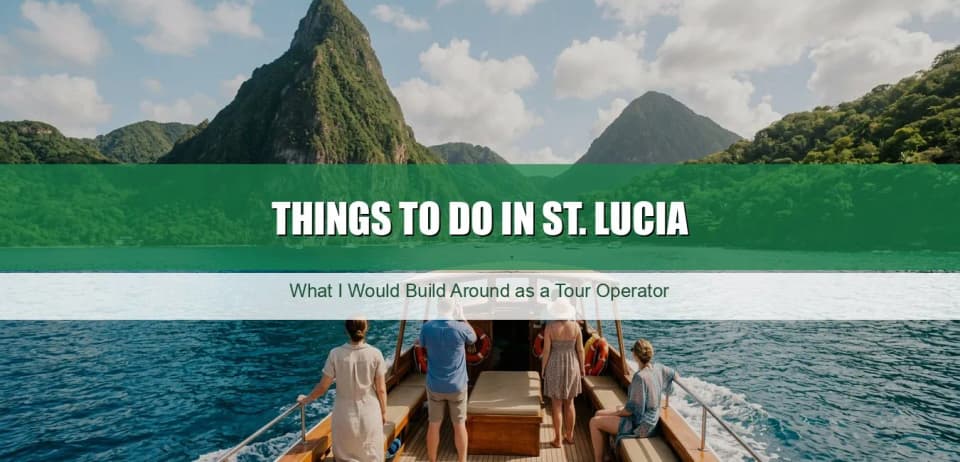
What are the best things to do in St. Lucia if you are the person who has to get guests there, keep the boat on time, and bring everybody back happy? That is a different question from what a hotel brochure asks.
I learned that difference as a captain on Eagle Tours. Guests remember the Pitons and the swim, of course. But they also remember whether somebody told them where to meet, whether the first mate knew who was vegetarian, and whether the boat left on time when a cruise ship had a gangway full of people waiting. The view is the product. The operation is what makes the view possible.
So if I were building a St. Lucia tour business today, I would not start with a list of twenty attractions. I would start with a few clean products that fit the island, the guests, and the day you can actually deliver.
Build the day around the Pitons, not around a long checklist
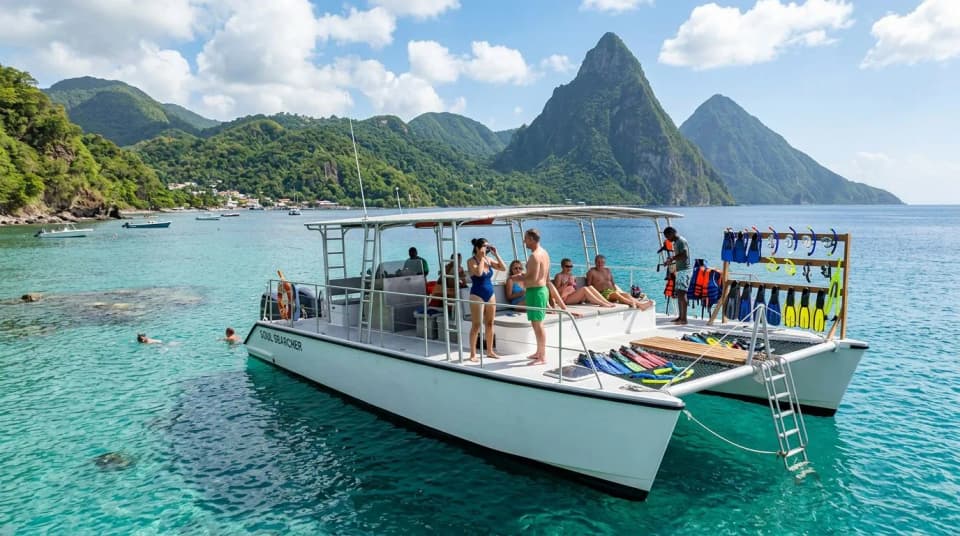
The Pitons are the obvious anchor for a reason. They give a boat trip a moment guests can understand immediately: you leave the coast, the two peaks get bigger, and suddenly everybody is standing up with a phone in their hand. You do not need to bury that moment under six extra stops.
A strong west-coast product can be simple: a boat ride toward Soufriere, time to see the Pitons from the water, a swim or snorkel when conditions make sense, and enough space in the schedule that the captain is not racing the clock. That last part matters. A tour that looks exciting on paper but leaves no room for a late departure, a slow swimmer, or a patch of weather is not a good tour.
I would sell this as a half-day or full-day choice, with the meeting point and return time stated plainly. Guests do not need mystery. They need to know if they should eat breakfast first and whether they will make dinner afterward.
Give Soufriere more than a photo stop
Soufriere gives operators more options than a quick pass by the Pitons. The volcanic landscape, warm baths, waterfalls, gardens, and the town itself can make a good land-and-sea day. But I would be careful about pretending all of that fits into one rushed excursion.
Some guests want the boat. Some want the volcanic experience. Some want both, but they do not want to spend the whole day being pushed from one van to another. Build the itinerary in a way that makes the choice clear.
- The water-first version: Let the boat and the coastline carry the day, with one well-timed shore stop.
- The land-first version: Make the volcanic and garden visits the reason for the trip, then add a short coastal section if the timing works.
- The private version: Let the guest choose how long to stay. Charge for the flexibility instead of giving it away.
That is a better product than calling everything a "St. Lucia highlights tour" and hoping the guide can sort it out on the morning.
Pigeon Island works when you sell the whole experience
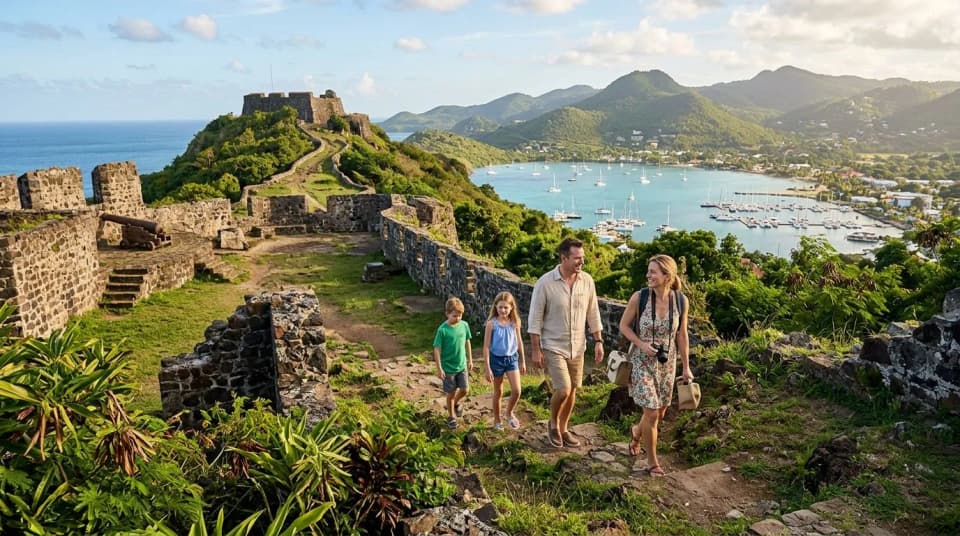
Pigeon Island is useful because it can bring together history, walking, views, and time near the water. That mix makes it a good fit for families and for guests who do not want an intense adventure. It also gives a tour operator a way to make the day feel different from a standard beach transfer.
The mistake is to treat it as a checkbox. Give guests a reason to go. Maybe the product is a relaxed north-coast day with a short walk, a swim, and lunch. Maybe it is a private sightseeing run for a family that wants to move slowly. The attraction is only part of the offer. The order of the day is what people actually buy.
And watch the walking description. "Easy" means different things to a six-year-old, a seventy-year-old, and somebody who spent yesterday on a cruise ship. Say what the guest will really do, not what sounds best in a headline.
Offer a boat day that respects the weather
St. Lucia is beautiful from the water, but the water gets a vote. Wind, swell, rain, and visibility can change the best-looking itinerary. If you are selling snorkeling, sunset, or a long coastal run, your booking page should explain what happens when conditions are not right.
That does not mean writing a page of legal language. It means making the operational promise clear:
- What can move: Tell guests whether the route or stop can change.
- Who decides: Make it clear that the captain has the final call on safety.
- What happens next: Explain the reschedule, refund, or shorter-route option before the weather day arrives.
I have watched operators lose more time explaining a weather decision than making the decision. Guests usually accept a change when they understand it. They get frustrated when nobody knows who is supposed to tell them.
Make the booking feel as clear as the shoreline
The best things to do in St. Lucia still have to be booked by real people. That means clear pickup instructions, a real duration, honest activity levels, and a checkout that does not make the guest guess whether the reservation went through.
When I was running SXM Deals, I once had a significant booking waiting on an operator confirmation. I did not want to take the guest's payment without knowing the boat was available. The operator took something like two days to get back to me. Two days. Not two minutes. I lost the booking, and it was one of the moments that pushed me toward building better booking software.
That lesson applies to St. Lucia as much as anywhere else. If your product depends on a manual message being answered after the boat comes back, your guest is carrying the risk. We built Junglebee so availability and confirmations can happen without that two-day gap. If you are comparing systems, start with the booking flow and the handoff, not the prettiest dashboard.
If I were opening the business, I would launch with three products: one Pitons-focused boat day, one Soufriere land-and-sea option, and one flexible private charter. I would run those properly before adding ten more activities. A short menu that leaves on time will beat a long menu that needs an apology.
That is the rule I would keep: sell the island guests came to see, but build the day the crew can actually run.
Booking page, card payments, one calendar for your website, booking page and desk. 4% per card payment, no monthly fee.