

September 17, 2026
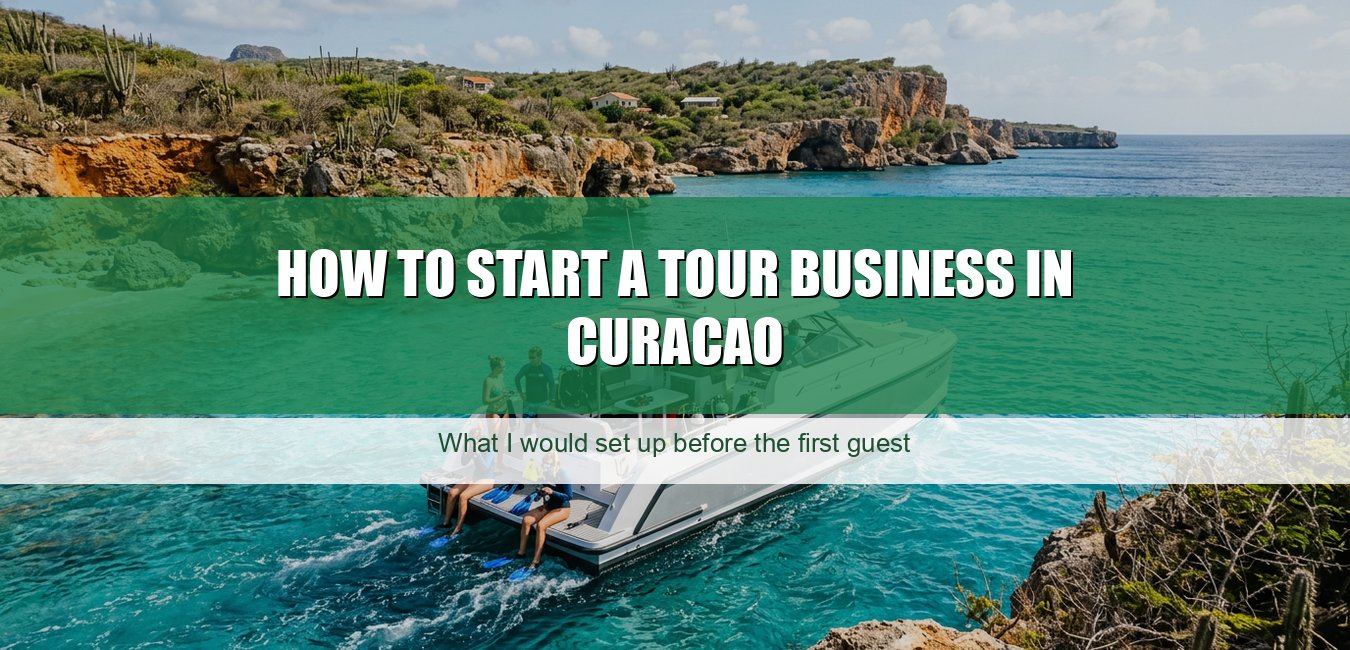
How do you start a tour business in Curacao without turning every booking into a message hunt? That is the question I ask before we talk about the boat, the logo, or the first ad.
When I was running SXM Deals, a guest wanted to make a big booking. A really good booking. I did not want to take the money before the operator confirmed the trip, so I sent the request over and waited.
Two days.
Not two minutes. Two days. By the time the operator got back to me, the guest had gone quiet. I lost the booking, and I was left staring at an inbox thread that should never have existed in the first place.
I think about that whenever someone asks me how to start a tour business in Curacao. They usually ask about the boat, the tour, or the island. I start somewhere less exciting: what happens between a guest clicking Book and your crew seeing a real reservation?
Curacao gives you plenty of tempting ideas. A snorkeling run. A sunset trip out of Willemstad. A day around the west side of the island. A boat day that includes Klein Curacao. You can build a business around any of those, but the first product should be the one you can deliver when the day is busy, the wind is up, and somebody on the dock is asking three questions at once.
I would start with one clear trip, one clear departure point, and a guest promise the crew can repeat without checking a long script. If you are operating near Jan Thiel, say where guests meet. If the boat leaves from the Spanish Water area, give the exact marina instructions. "Curacao" is not a meeting point. It is an island.
Then decide what the trip is not. Does it include food? Equipment? Hotel pickup? A swim stop? Be plain about that. A guest who knows what they are buying is easier to look after than a guest who has filled in the blanks themselves.
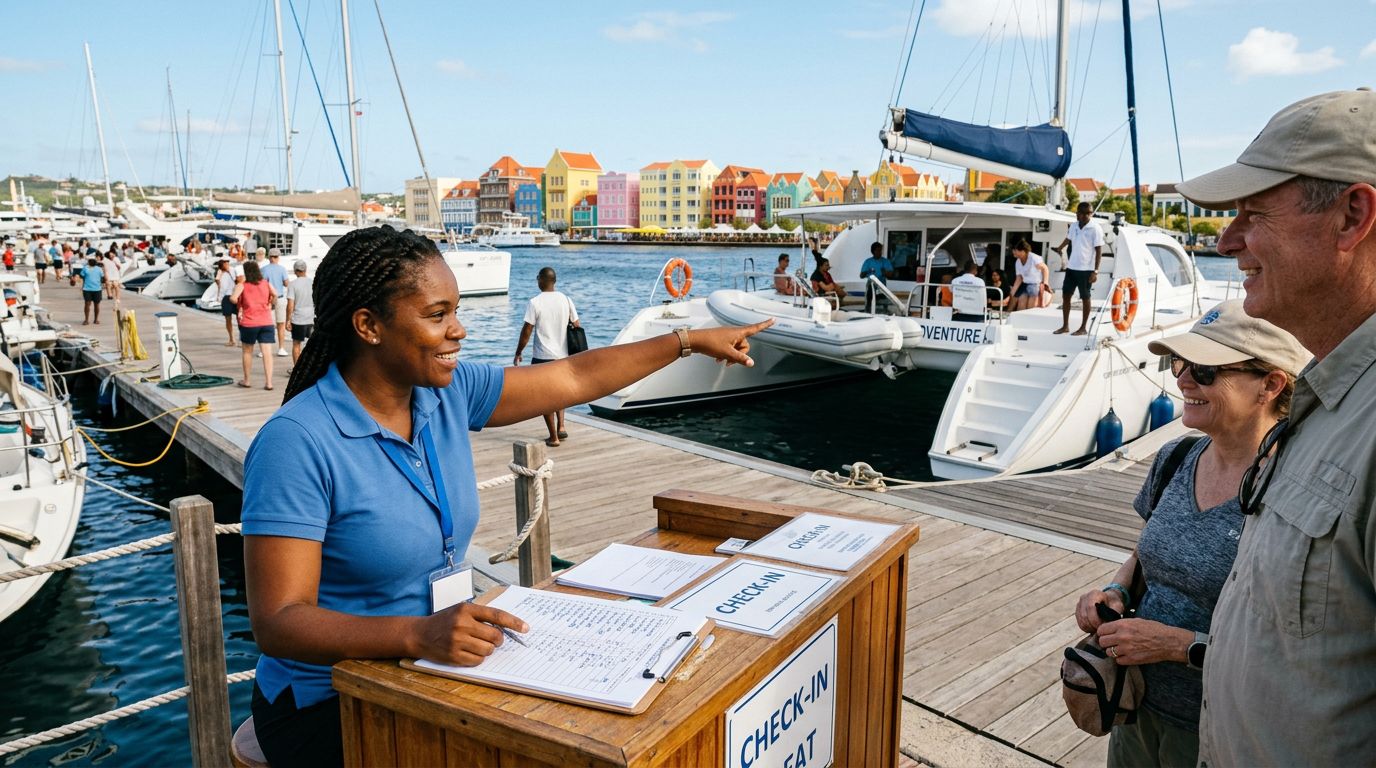
Before you worry about a logo, I would write down the actual run of the day.
This sounds basic because it is basic. But basic is where a small tour business either becomes calm or starts eating your evenings.
When I was crewing at Eagle Tours in St. Maarten, the work did not end when the guests stepped off the boat. The boat had to be cleaned, gear put away, the next run checked, and the details passed to the person handling the office. On a busy day, a missed handoff is not an administrative mistake. It becomes a guest standing in the wrong place or a crew member waiting for information that is sitting in somebody else's phone.
WhatsApp is useful. I use it. Your guests will use it. But a message thread is not the same thing as an operating system.
If a hotel desk sends you a guest name, a room number, and a date in a message, somebody still has to check availability, confirm the trip, take payment, and make sure the right crew sees it. When that process lives only in messages, you are asking memory to do the job of a booking desk.
My opinion is simple: if you are taking paid reservations, set up a real booking flow from the start. It does not have to be complicated. The guest should be able to see the trip, choose a date, pay what you require, and receive a confirmation that says what happens next. Your team should see the same reservation without copying it into three places.
We built Junglebee around that kind of handoff because I had already watched the email version fail. I do not think a Caribbean operator should have to borrow a mainland system and then invent workarounds for every local detail.
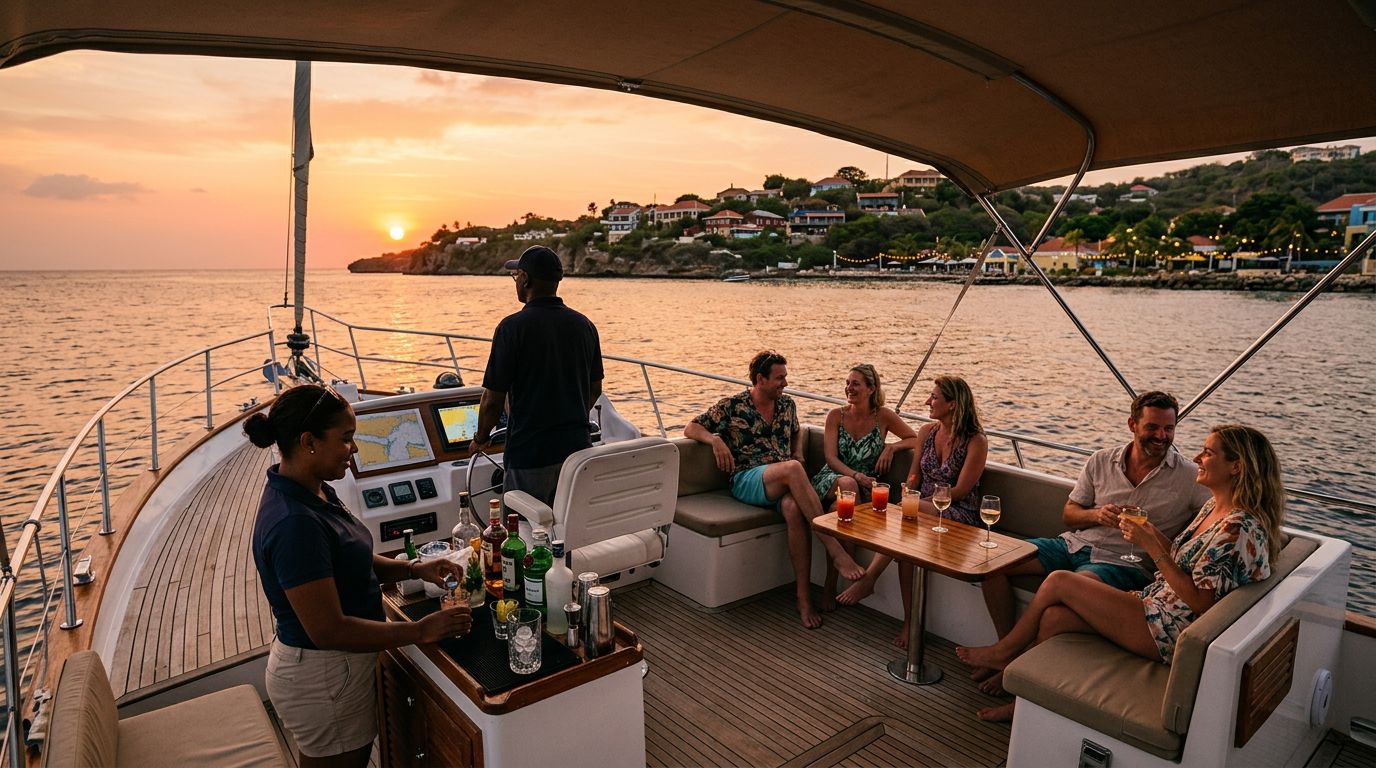
Guests do not mind clear rules nearly as much as they mind surprising rules.
Before you open the calendar, decide what happens when somebody cancels, wants to move the date, or does not show up. Decide what happens when the weather turns. If you need a deposit, say how much and when the balance is due. If a trip depends on a minimum number of guests, say that before payment, not after.
I would put the important pieces in four places: the tour page, the checkout, the confirmation email, and the message your crew can see. Not four different versions. The same version.
And keep the wording human. "Weather conditions may affect the itinerary" is not as useful as telling a guest that the captain may change the route or move the trip if conditions are not safe. You know what your crew actually does. Write that down.
Your first bookings will probably come from people who already know you, a hotel contact, a marina conversation, or somebody who saw a boat and asked a question. That is fine. Just do not let the early informality become the permanent system.
Read your own confirmation on a phone. Pretend you have just landed in Curacao, you are carrying a suitcase, and a taxi driver wants the exact marina name. Can you find the meeting point, arrival time, contact number, what to bring, and what happens if the weather changes?
If not, fix that before spending money on another ad.
I lost a booking once because a confirmation took two days. Starting a tour business in Curacao does require a good trip and a good boat, but it also requires answering the guest while they are still ready to buy. Make that part work first. The rest gets easier to build around.


