Junglebee
Ticketing System vs Booking System for Tour Operators: What I Would Use
A practical comparison of ticketing systems and booking systems for tour operators, from guest handoffs to weather days.
 Michael RouveureFounder, Junglebee ·
Most ticketing systems look fine until the first day the weather turns. Then you find out whether you bought a way to count people through a gate, or a system that can actually help you run a tour.
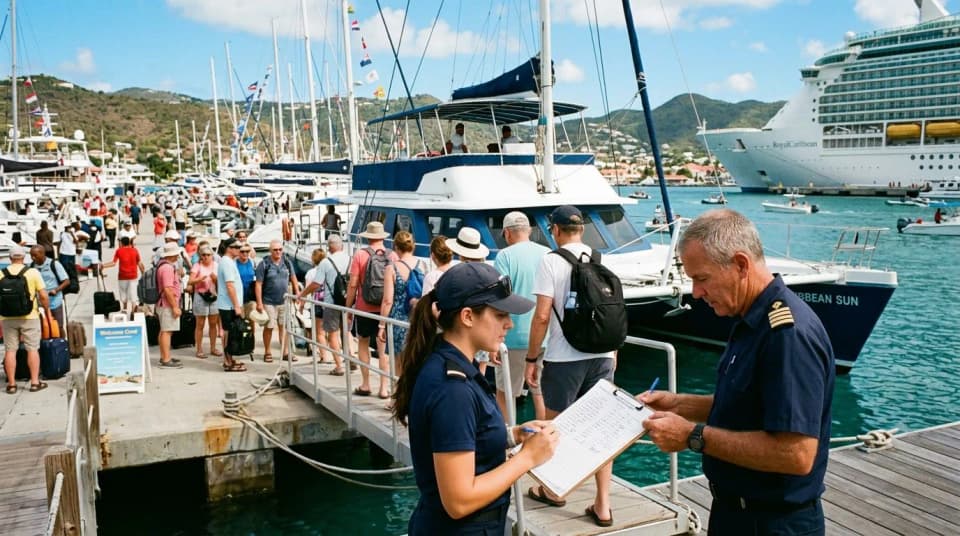
I have nothing against ticketing systems. If you are selling timed entry to an aquarium or a museum, they can be exactly the right tool. But a boat tour is not a gate. Your guest has a meeting point, a captain, a weather window, a balance due, and sometimes a hotel activity desk in the middle of the booking. Those are different problems.
A ticket is not the same thing as a booking
A ticket usually answers one question: who is allowed in, and when? That is useful. It gives you a date, a time slot, a quantity, and a confirmation that the guest can show at the door.
A tour booking has to carry more of the day with it. Which boat? Which departure? How many adults and children? Has the guest paid a deposit or the full amount? Does the captain need a note about mobility, food, snorkeling ability, or a private pickup? What happens if the wind makes the original trip impossible?
That difference is easy to miss in a software demo. The screen looks clean. The button says Book. Everyone nods. Then your first busy cruise ship day arrives and the office is copying details from one place to another while the crew is trying to load the boat.
The handoff is where the trouble starts
When I was running SXM Deals, I once had guests ready to make a large booking. I did not want to take their payment until the operator confirmed the trip. So I sent the request over and waited.
And the operator did not answer. It took something like two days. Two days. I should have had an answer in two minutes, not two days, and I lost the booking.
That was not a ticket problem. The guests did not need proof that they had entered a venue. They needed a real-time answer from the person who knew whether the boat, crew, and trip were available. The booking died in the handoff.
This is why I look past the words ticketing and booking. I want to know what happens between the guest clicking the button and the crew seeing a confirmed trip on the schedule.
What I would test before buying anything
I would not start with the feature list. I would take one real trip from my business and force the system to handle it.
- Availability: Can it show the seats, boats, and departure times that are genuinely available, not just the inventory someone remembered to update?
- Handoffs: Does a hotel activity desk, travel agent, or online partner create a booking that lands in the same place as a direct website booking?
- Money: Can I see the deposit, balance, payment status, and refund history without opening three different screens?
- Changes: Can I move a guest to another departure when the weather changes without losing the original details?
- Crew view: Can the captain or first mate understand the day's passengers without needing a lesson in office software?
If the vendor cannot show those things with a realistic boat trip, I am not interested in how impressive the dashboard looks. A smooth demo is not the same as a smooth departure.
When a ticketing system is the right answer
There are businesses where a ticketing system is exactly what I would choose. If you run a visitor attraction with fixed entry times, a predictable capacity, and one place where guests arrive, the ticket is the product. You need fast scanning, timed slots, and a simple way to stop selling when the session is full.
The same can be true for a walking attraction or a repeatable activity that starts from one location and does not depend much on the sea state. In those cases, adding a full tour-operator workflow could be unnecessary weight.
So I am not saying ticketing is bad. I am saying you should buy it for the operation you actually run. Do not buy a gate and expect it to behave like a dispatch desk.
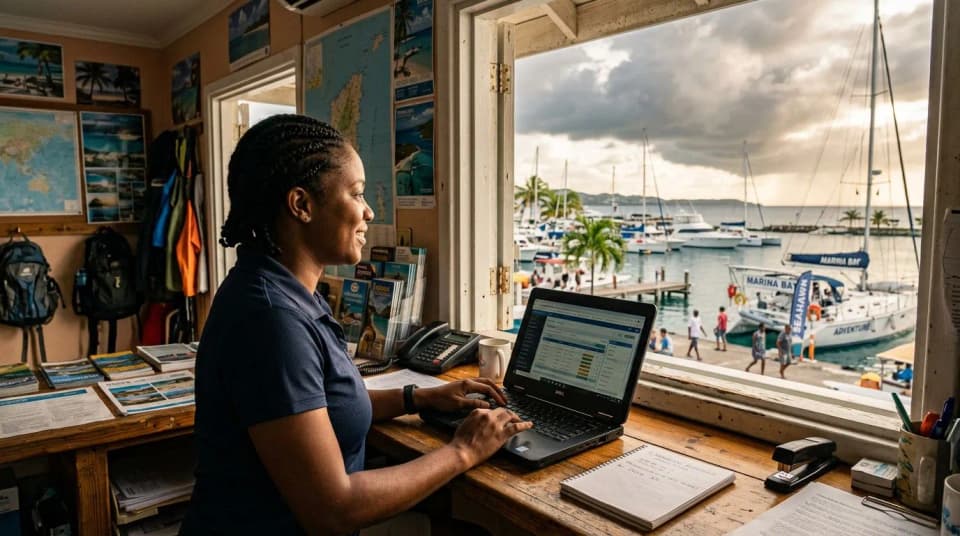
Why boats need more than a time slot
On a boat, the inventory is not just a number of tickets. It is a combination of boat, crew, route, departure, and conditions. If one of those changes, the guest experience changes with it.
That is where a booking system built around tours earns its place. It should let you sell direct, accept bookings from partners, keep availability in one calendar, and make a reschedule feel like a normal part of operations rather than an emergency exercise.
We built Junglebee for charter operators around that kind of handoff. I cared about it because I had been the person waiting for an operator to answer, and later the person trying to keep the whole day moving when several bookings arrived at once.
The opinion I will stand behind is simple: software for boat operators should be designed by people who understand that a calendar entry eventually becomes a crew briefing. If it stops at the ticket, it stops too early.
My rule for choosing between them
Take your hardest normal day and run it through the product before you sign anything. Not the quiet Tuesday with one departure. The cruise ship morning, the hotel bookings, the last-minute phone call, the guest who needs moving because the wind has come up.
Ask one question: when the plan changes, does the system help the office and the crew make the same decision?
If the answer is yes, you are looking at the right kind of tool, whether the vendor calls it ticketing or booking software. If the answer is no, the label will not save you. The guests will still be waiting, the captain will still be asking who is on board, and somebody will still be searching through email for the confirmation.
That is the test I would use. A ticket gets someone through a gate. A good booking system helps you get the boat out.
Booking page, card payments, one calendar for your website, booking page and desk. 4% per card payment, no monthly fee.