Junglebee
Things to Do in Cozumel, and What to Book First
Things to do in Cozumel, from reef snorkeling to the east side, with a boat operator's take on what to book ahead and what to leave for the day.
 Michael RouveureFounder, Junglebee ·
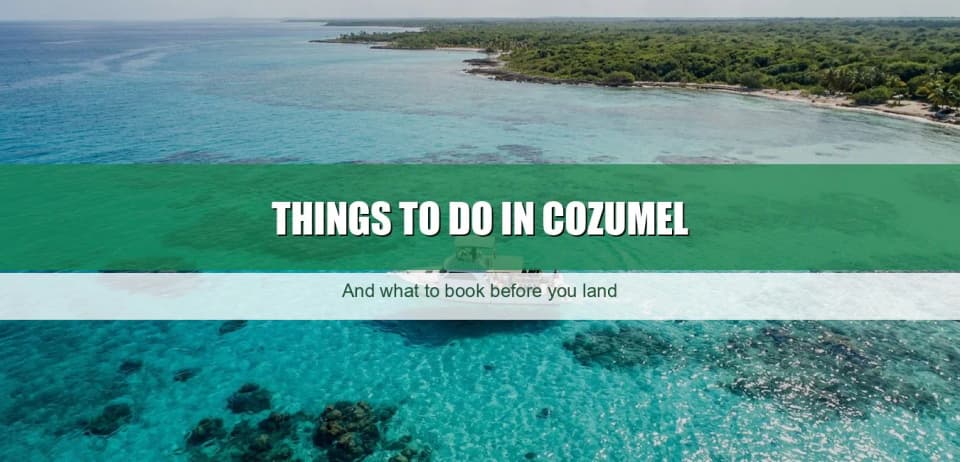
- Book reef dives and snorkel trips ahead, with an operator who briefs properly and follows marine park rules.
- Leave the east side and San Miguel flexible; check beach-club availability and confirm San Gervasio has reopened before planning around it.
- Cruise visitors: pick one big thing, get the return time in writing, and ask what happens to your money if weather cancels.
Most lists of things to do in Cozumel get the order wrong. They hand you twenty activities and leave the hard part out, which is knowing what has to be booked before you land and what you can sort out on the pier with a coffee in your hand.
I worked as a captain in St. Maarten, not Cozumel. So read this as an outside operator's eye on someone else's island. But a reef trip is a reef trip, and I know what a good one looks like from the dock side. I also know what I'd check as the person paying for it.
The reef is the reason, so book it first
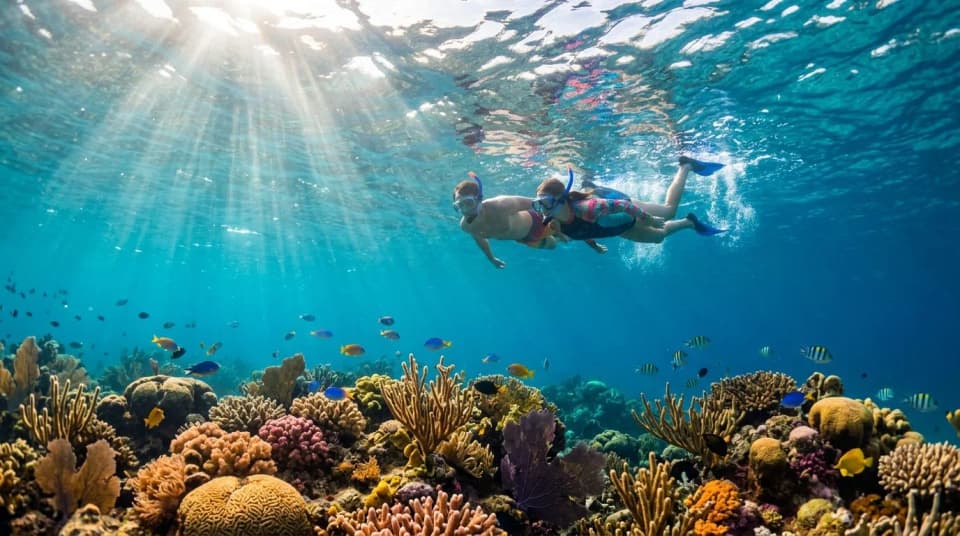
Palancar and Colombia are among the reefs protected by Arrecifes de Cozumel National Park, along the island's southwest coast. The current runs along the reef most days, so a lot of diving here is drift diving: you drop in, the boat follows your bubbles, and it picks you up down-current.
That current is exactly why I'd book reef trips ahead and not pick the cheapest guy waving a laminated menu. A snorkel stop with current needs a proper briefing, where you get in and what to do if you lose the group. A crew that skips it to save ten minutes is telling you how they run the rest of the boat.
And the park has rules. Expect a park access fee (check whether it's included), no touching coral and no standing on the reef. CONANP's visitor guidance says no sunscreen, including biodegradable products; wear a UV shirt instead. Good operators bring these up before you ask. If they shrug, I'd walk.
Snorkelers get plenty too. El Cielo is a shallow snorkeling spot known for starfish; nearby El Cielito is the sandbar stop. Check which stops your tour includes. Look, don't lift. Starfish aren't souvenirs.
Beaches and beach clubs on the calm side
The west coast is the sheltered side, and that's where the beach clubs are. Paradise Beach and Mr. Sancho's are names you'll hear, and Chankanaab is a park with its own beach and shore snorkeling. Check each venue's admission package and opening days before you go.
This is the part you can mostly leave for the day. A taxi gets you to most of them, and on a quiet day you can walk in. On a heavy cruise day the popular clubs fill up, so if you've got your heart set on one, check its deposit and cancellation terms before reserving.
The east side, San Miguel and the ruins
Drive across the island and it changes completely. The east coast is windy and mostly empty, with surf that can be dangerous for swimming. Chen Rio has a more protected spot, and Punta Sur at the southern tip is a park with a lighthouse and lagoons. Bring water and cash, and don't count on phone signal.
I'd rent a car or scooter for this rather than book a tour. You can follow a loop around the island's southern half, and the point is stopping wherever you like.
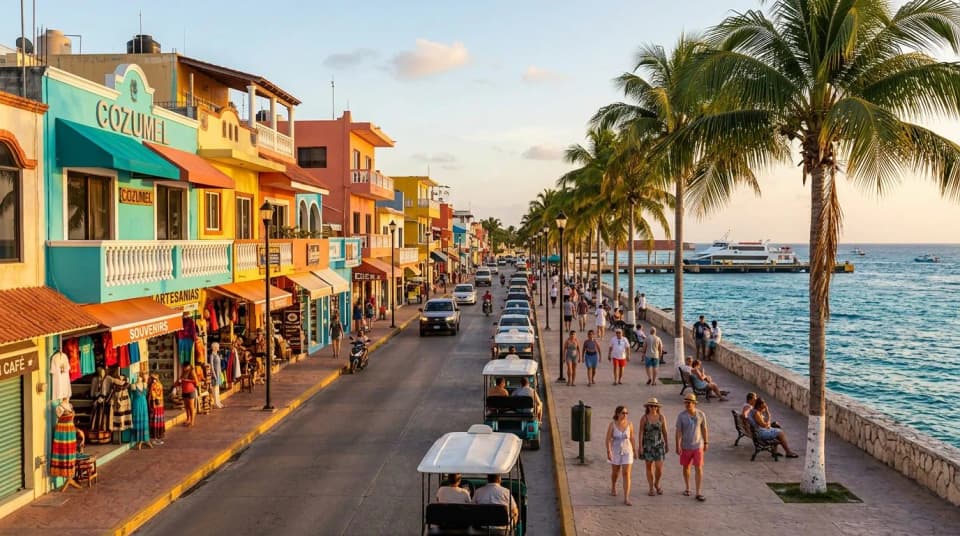
San Miguel, the town, is easy on foot. The waterfront and the main square are close together, and I'd walk a few streets inland to look for lunch, as I would on my own island.
Then there's San Gervasio, the main Mayan archaeological site on the island. INAH currently lists it as temporarily closed, so confirm reopening before making the trip.
A ferry day to the mainland
Passenger ferries run across the channel to Playa del Carmen, and from there Tulum and the cenotes are within reach. It's a good day for multi-day visitors who've already done the reef.
Two things I'd watch. The channel can get rough, so if you get seasick, take something before you board, not after. And ferry schedules are subject to change, so check the current departures on the day and leave yourself slack on the return.
Cruise day versus a proper stay
If you're on a ship, you've got a handful of hours and one real job: getting back on time. So pick one big thing, maybe a reef snorkel or a beach club. Trying to stack everything is how people end up running down the pier.
- Ask what's included. Pier transport, gear, the park fee. "All-inclusive" means different things to different operators.
- Ask when you'll be back, in writing. Not "around two". A time, and which pier they're dropping you at. Cozumel has more than one.
- Know what happens if the trip is cancelled. Refund or reschedule? On a cruise day there is no tomorrow, so a reschedule is worthless to you.
- Skip the mainland ferry on a ship day unless your cruise line runs the excursion itself and owns the return.
- Get a confirmation you can show. A receipt with the operator's name, meeting point and time, not a handshake.
Staying four or five nights is a different game. Book the reef early so a weather day doesn't wipe it out, and leave most of the rest loose.
Weather, port closures and the operator who says no
My firmest view, from the operator side: the best tour you can book is the one run by someone willing to cancel it. Cozumel gets strong north winds in the cooler months, and hurricane season runs June through November. When conditions turn, the port authority can close the port to small boats. That isn't a lazy operator. It's the harbor making the call.
Any captain knows the blown-out morning: guests on the dock, money already paid. The easy thing is to go anyway. The right thing is to cancel and eat the awkward conversation. I'd book with the operator who tells you upfront how they handle weather, and I'd be wary of anyone who promises you'll go out no matter what.
The operators who handle this well can refund or move a booking in a couple of clicks and tell every guest at once. That's a big part of why we built Junglebee the way we did. But as a visitor you don't need to care about software. You need to ask one question before you pay: if the sea says no, what happens to my money?
Get a straight answer to that, book the reef, and leave the rest of the island to the day.
Booking page, card payments, one calendar for your website, booking page and desk. 4% per card payment, no monthly fee.