

October 12, 2026

If you run a boat in the Caribbean and you've got time to set up one marketplace this month, which one do you start with? GetYourGuide or Viator? Not which one is "better." Which one sends the guests you actually see on your dock.
The tempting move is to do both at once. Sign up everywhere, let the bookings roll in. I think that's the wrong order, and I'll explain why after we compare the two from the operator's side.
Start with the guest.
Viator is a Tripadvisor company, and that matters more than anything on its sign-up page. Your listing can show up on Tripadvisor itself, and Viator also says it distributes to partners like Booking.com and Expedia. If your guests are Americans who read Tripadvisor reviews in their cabin the night before a port day, that's the shelf they're shopping from.
GetYourGuide is based in Berlin, and its customer base has historically leaned European. A Skift report from 2024 put it at roughly 60% European and 25% US, written up around the time it launched a big US TV campaign aimed squarely at Viator. And its North American GMV is growing. Its CEO said North American GMV grew faster than its global rate in the first half of 2026. So don't read "European" as "irrelevant." Read it as "check your own guest mix."
For your operation in St. Maarten, start with the bookings you already have. Are cruise ship days mostly North American guests? Do your French-side pickups or villa bookings bring more Europeans? Check rather than assume. If your trip leaves from Grand Case or Marigot and half your guests speak French, GetYourGuide might deserve a closer look than this article's default suggests.
Neither one publishes a single rate. Viator's supplier page says commission is charged on completed bookings and that "rates vary by location." GetYourGuide says roughly the same thing, and its own listing guide puts the range at 20% to 30% depending on the country. For Viator, don't assume you'll get GetYourGuide's rate or the operator next door's. Ask for your actual commission in writing before pricing a trip around it.
A few details that are easy to miss:
And GetYourGuide's supplier terms let it raise your rate if its costs go up, with notice. Read that clause before you sign, not after.

Both want you verified before you go live. Viator asks for ID or account verification before you submit an experience, then reviews it. GetYourGuide asks for your business registration, tax ID, bank details and insurance information, and runs its own review before an activity goes live. If your paperwork lives in a shoebox, that's your first week gone.
On cancellations, the defaults look similar. Most Viator experiences sit on its standard policy: full refund up to 24 hours before the start. GetYourGuide's standard free cancellation period also ends 24 hours before the activity. Check each listing for exceptions.
The part I'd study is what happens when you cancel. GetYourGuide's terms say a supplier cancellation that isn't force majeure can cost you a fee of 25% of the retail price, per affected guest. Whether a given weather call counts comes down to how GetYourGuide applies its force majeure definition, and the terms say it can ask for evidence. So log your weather calls. Wind speed, sea state, a screenshot of the forecast. During Christmas Winds that log is worth more than you'd think.
Viator says it pays after the travel date, either weekly through PayPal or monthly by bank transfer or Payoneer. Weekly sounds great, but check whether your island's PayPal account can receive and withdraw those payouts. If it can't, Viator's advertised bank-transfer or Payoneer option is monthly.
With GetYourGuide's monthly option, payouts are initiated by the fifth business day for the previous month's completed bookings. Twice-monthly payouts add a 2% processing fee; its help page describes this as two extra commission points. An early-December trip can enter December's second payout run instead of waiting until January. Allow for bank-transfer time when budgeting fuel and crew.
Payout options change, so check your own portal before planning cash flow around any of this.
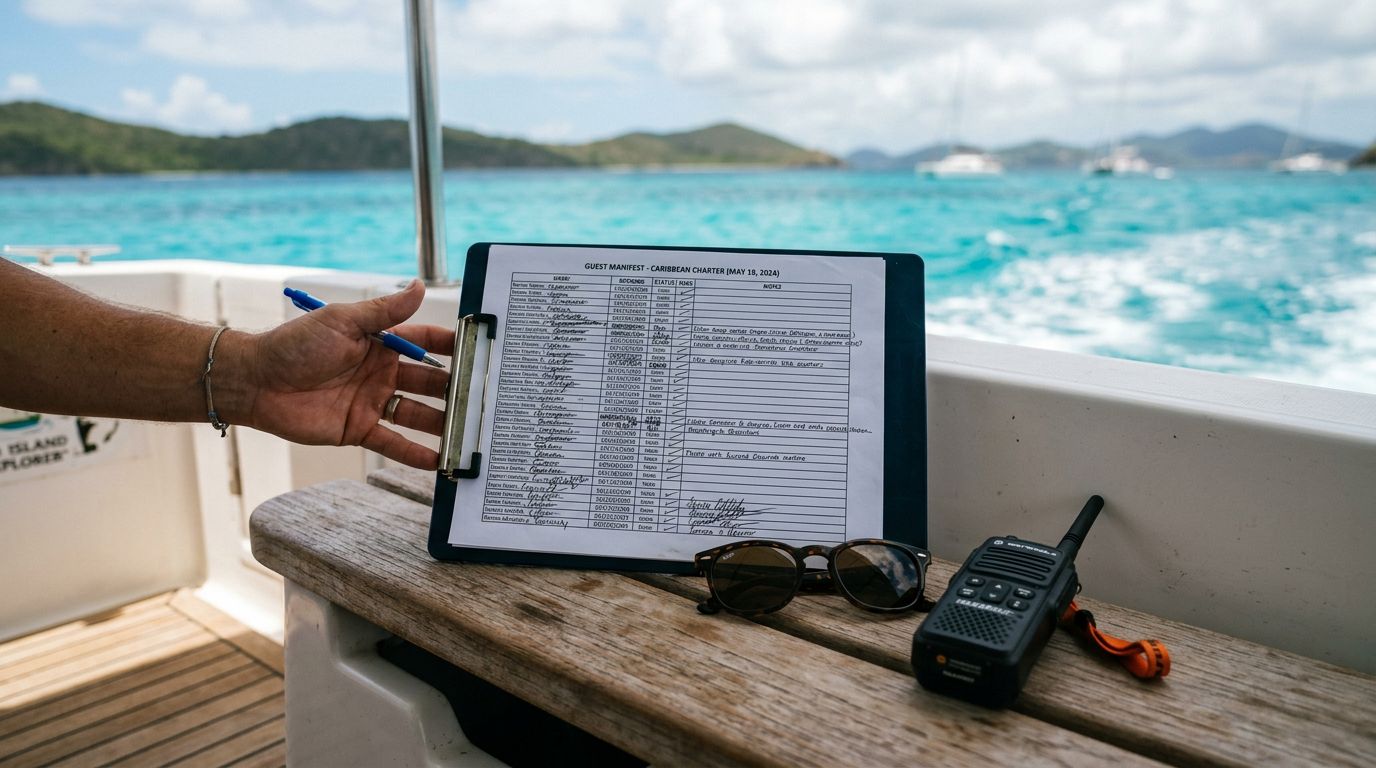
Both connect to reservation systems. Viator says it integrates with more than 100, naming FareHarbor, Bokun, Rezdy, Ventrata and Peek Pro. GetYourGuide lists a long set of connectivity partners too. With shared inventory set up correctly, bookings update your system and availability can be reduced across connected channels.
When it doesn't, you're updating calendars by hand. And I know what slow confirmations do. Back when I was running SXM Deals, I'd forward bookings to operators by email and wait for a yes. Plenty of those businesses were one-man shows. The owner runs the boat, comes back, cleans it, eats, goes to bed. Some confirmed fast. Others took forever, and it was my guests left hanging. Add two OTA dashboards on top of a captain like that and you're asking for a double-booked cruise day.
That's why we built Junglebee to connect agents and online agencies straight to the operator's own availability. Whatever you use, confirm the connection supports your specific product before going live.
My position is simple. For most Caribbean operators whose guests are coming off US cruise ships and out of resort lobbies, I'd list on Viator first. Not because GetYourGuide is worse. Because the Tripadvisor connection gives those guests another way to find you, and one channel is enough to learn on.
Run it for a season. Watch your cancellation rate. Answer reviews publicly where the platform allows it (GetYourGuide requires replies through its portal; Viator reviews and Tripadvisor reviews aren't automatically the same, so check which page your guest used). Make sure the payout lands and reconciles. Then add GetYourGuide, especially if your French-side or European guests are growing.
And keep your own booking widget, your hotel desks and your agent partners at the center. Marketplaces bring you strangers. Your direct channel is where you can build repeat business without paying marketplace commission. Payment and booking-system fees still need budgeting.


