Junglebee
Viator commission rate: what it actually costs you
What Viator's commission really costs a small tour operator: the 20-30% headline, the lost re-book, the promotion pressure, and when it's still worth it.
 Michael RouveureFounder, Junglebee ·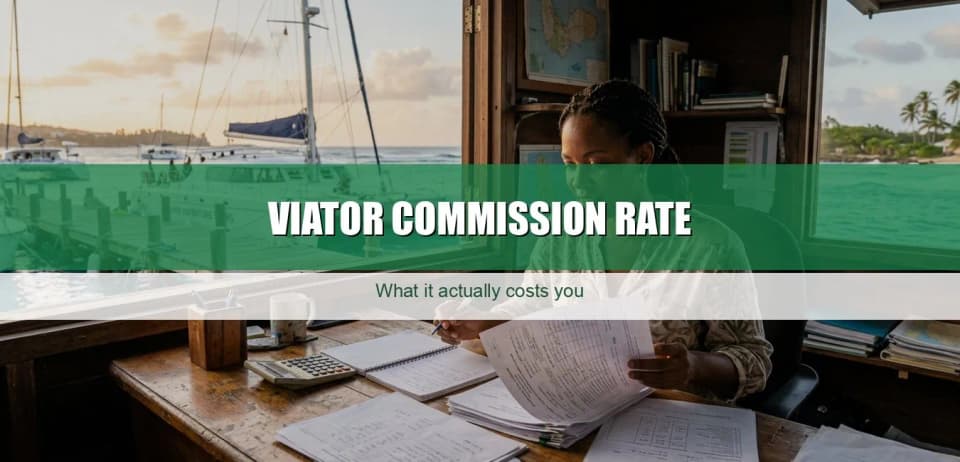
The commission line on your Viator statement is the cheapest number in the whole arrangement. It's the one they let you see. The real cost is the stuff that never shows up on the invoice at all.
I say that as someone who used to be on the other side of it. Before Junglebee, I ran SXM Deals, an aggregator that sold tours and charters across St. Martin. I was the guy taking a cut for sending guests to operators. So when I tell you what a booking channel actually costs, I'm not guessing. I ran one.
Start with the number they show you, then keep going
Viator does not publish one universal supplier commission rate. Public operator resources generally put the supplier commission in the 20 to 30 percent range, with around 25 percent commonly cited depending on your agreement, program, and category. So on a hundred dollar seat, call it roughly twenty to thirty dollars gone before you crew the boat.
Fine. That's the price of distribution, and distribution has always cost money. When I was buying inventory at SXM Deals, nobody expected me to send them guests for free either.
But if you stop your math there, you're only counting the part they printed for you. The expensive part is what that seat does to the rest of your business.
You didn't sell a seat. You rented a guest.
Here's what I learned running an aggregator, and it took me a while to admit it out loud. When a guest booked a snorkel trip through my site, that guest was mine. Not the operator's. Mine.
I had the email. I had the card on file. I knew they liked the afternoon run and hated early mornings, and I knew when they were coming back next winter. The operator got a name on a manifest and a body on the dock. I got the relationship.
Viator works in a similar way at platform scale. The guest who books your catamaran through Viator is, in every way that matters for the next booking, a Viator guest who happened to ride your boat. You ran the trip. You burned the fuel. You took the weather risk. And the platform keeps the one asset that pays you for years, which is knowing who that person is and how to reach them.
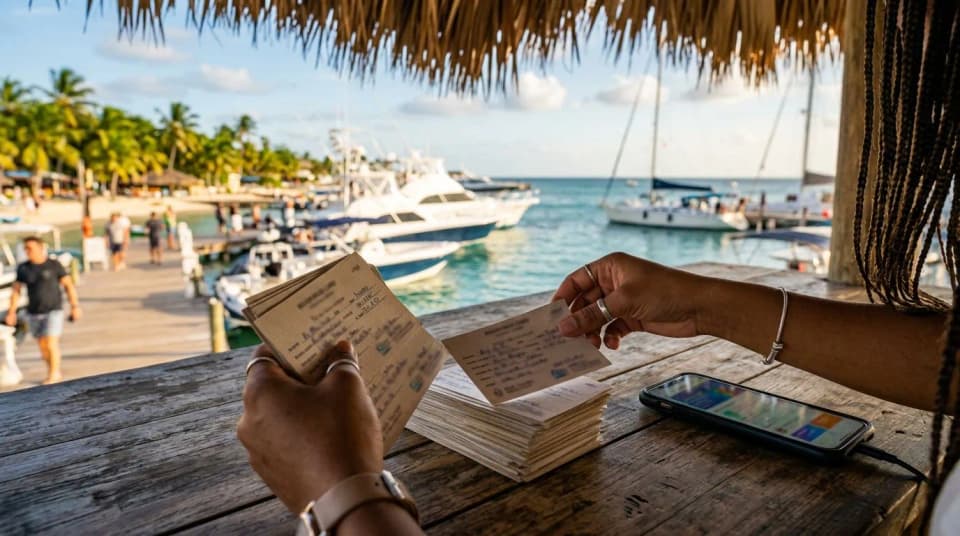
So the commission is not just a percentage of one booking. It is that commission plus the margin on future bookings that might have come back direct, because the default channel back to the guest belongs to the OTA. You do not get their real email as your own marketing asset. You have a booking record and the channel's communication tools.
The lost re-book is the number nobody runs
Think about what a returning guest is actually worth to a small operator. On my parents' boats at Eagle Tours, the best guests aren't one-time cruise ship walk-ups. They're the family that comes back three winters running, brings the cousins the second year, books the private charter the third. That guest costs you almost nothing to acquire the second time. They're already sold on you.
When you acquire that same person through an OTA, you pay the commission on the first trip, and then you pay it again on every trip after that, because the channel owns the path back to them. A direct re-book would have come in at full margin. Instead it comes in at OTA margin, forever, or it doesn't come back to you at all.
That's the real rate. Not the percentage on this seat. The percentage on this seat, compounded across a relationship you were never allowed to own.
And then there's the pressure to stay visible
The other cost is quieter, and it creeps. Standard visibility does not cost per click. Extra exposure can cost more commission.
Viator runs a commission-based exposure program where eligible products can opt in by raising commission above the market minimum to receive more ad impressions and ad placements across Viator. It's opt-in on paper. But the visibility economics can push active operators toward paying for promotion, because similar products in the same category can buy more ad impressions, and commission is one of the factors Viator says affects impression share.
So the effective rate for a lot of operators drifts up past the headline number, not because anyone forced them, but because the whole system is built so that standing still feels like falling behind. You're not just paying commission. If you opt into promotion, you're paying for additional exposure in a marketplace where competitors can also raise commission for more ad impressions.
I don't say this to be dramatic about it. I say it because operators budget for the 25 percent and then wonder why the real cost of the channel keeps climbing. It climbs because visibility can start to feel like a bidding war you are pressured to join.
When an OTA is still worth every point
Now let me argue against myself for a second, because I don't think OTAs are evil and I'd be lying if I pretended otherwise.
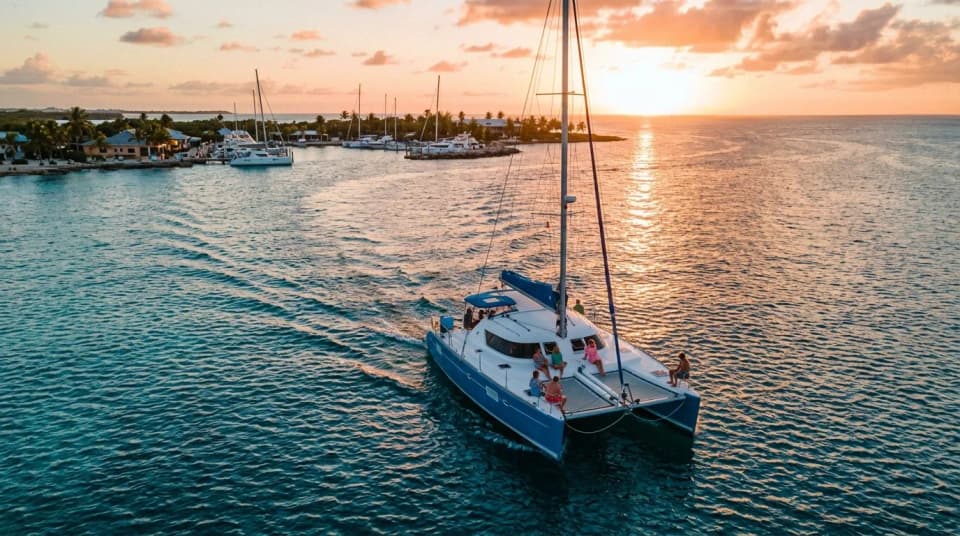
There is one job an OTA does that almost nothing else does as well, and it's pure discovery in a market where you have no presence. If you run a dive shop in Antigua and a family in Ohio is planning their trip with zero idea who you are, Viator and Tripadvisor's Things to Do put you in front of that family. You would spend a fortune and years of effort trying to reach that person yourself.
For that guest, the commission is fair. They were never going to find you otherwise. You paid to acquire a stranger, and that's exactly what the money is for.
The mistake is running your whole book through that channel, including the guests who already know your name, already stayed at the hotel next door, already rode with you last year. Paying a discovery fee on a guest who has already discovered you is just handing away margin out of habit.
The one rule I'd give myself in 2012
If I could go back and tell the SXM Deals version of me one thing, it would be this. Know which guest you're actually paying for.
Use the OTA for the strangers. Use it for the markets where you're invisible and always will be without help. That commission is buying you something real, and it's worth it.
But fight like hell to own the guests you've already earned. Get the email. Own the re-book. Make it stupidly easy for last winter's family to book you again without a middleman taking a cut of a relationship you built yourself. That's the whole reason we built Junglebee the way we did, so an operator's own guests come back through the operator's own front door, not through somebody else's search results.
The commission you can see is the booking commission, often discussed publicly in the 20 to 30 percent range. The commission you can't see is every guest you rented instead of kept. Run that number once. It changes how you think about the invoice.
Booking page, card payments, one calendar for your website, booking page and desk. 4% per card payment, no monthly fee.