

August 17, 2026
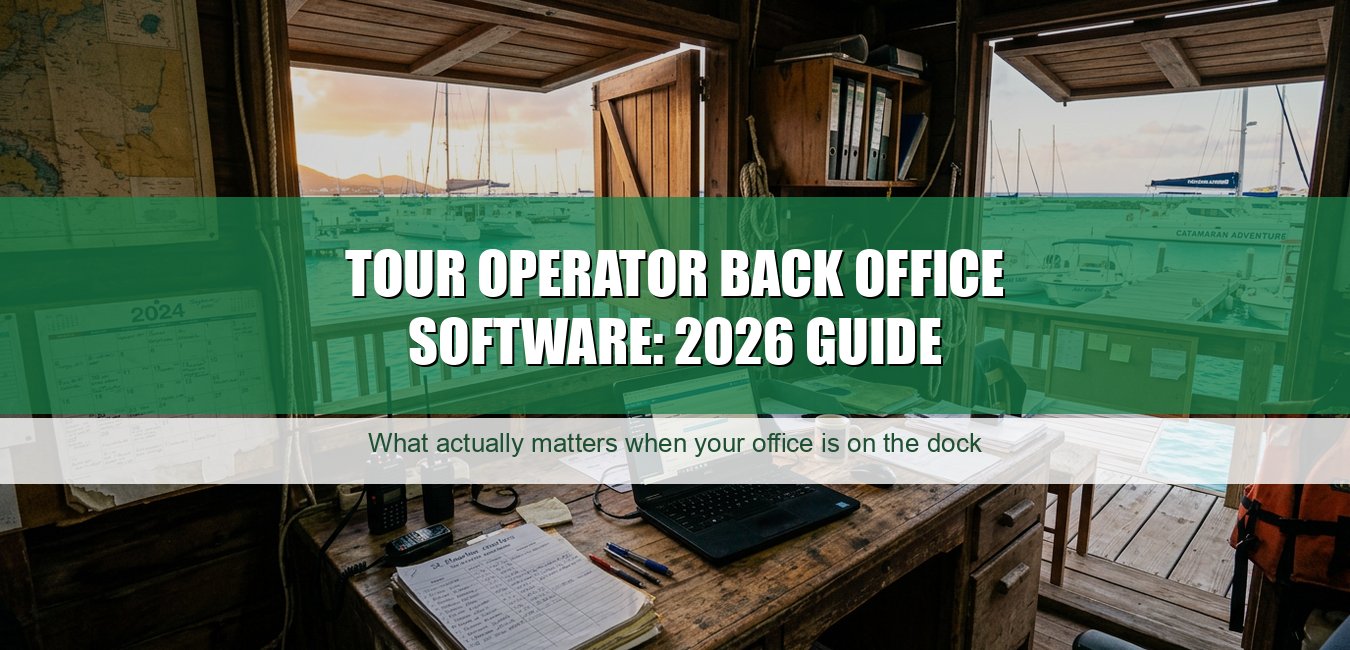
I lost a booking once because a guy was cleaning his boat.
This was 2012. I was running SXM Deals, a site I'd built to book tours and charters across St. Martin, and a group came in wanting a private charter. Big one. The kind that pays your month. I didn't want to take their card before the operator confirmed he had the boat and the crew, because if he didn't, I'd be refunding a small fortune and eating the chargeback. So I emailed him. Reasonable thing to do. And then I waited.
Two days. Not two hours. Two days. By the time he wrote back the guests were already on someone else's catamaran drinking someone else's rum punch. I had real money in my hands, ready to send, and the back office of the business I was trying to sell couldn't answer in less time than it takes a weather system to roll through.
That's what back office actually means for an operator. Not a dashboard. Whether a booking becomes revenue or evaporates while you're hosing salt off the deck.
Search "back office software" and you get pages written for accountants in office buildings. ERP this, ledger that. None of it knows what a cruise ship day is.
For an operator it's simpler and more brutal. It's the plumbing. The schedule that knows which captain has which boat at 2pm. The deposit charged when a guest commits. The weather refund. The agent net rate. The waiver. The money landing in your account. All of it happening behind the dock while you're out on the water being a captain.
And if your "system" for any of that is you, answering an email when you get back to the marina, you don't have a back office. You have a bottleneck with your name on it. I know, because for a couple of years that bottleneck was me.
A lot of back office software I see was built for the mainland. One currency. One tax authority. Stripe and PayPal in the box.
For a Caribbean operator it's a trap. I've watched serious tour companies down here route their card payments through Stripe into a bank account in the US or Canada or Europe, then wire the money back to their local bank on the island. The software only spoke Stripe, so they bent the whole company around the box.
It's operationally backwards. I'll be honest. I don't understand why anyone designs a business so the money takes a vacation to another continent before it comes home. But it happens because the software was never built for here.
We built JB Pay specifically because of this. A Caribbean operator on Junglebee takes card payments that land in their own local bank, on their own island, in the right currency. No offshore juggling. That's not a feature. That's the back office doing the one job it has no business outsourcing to a country you don't live in.
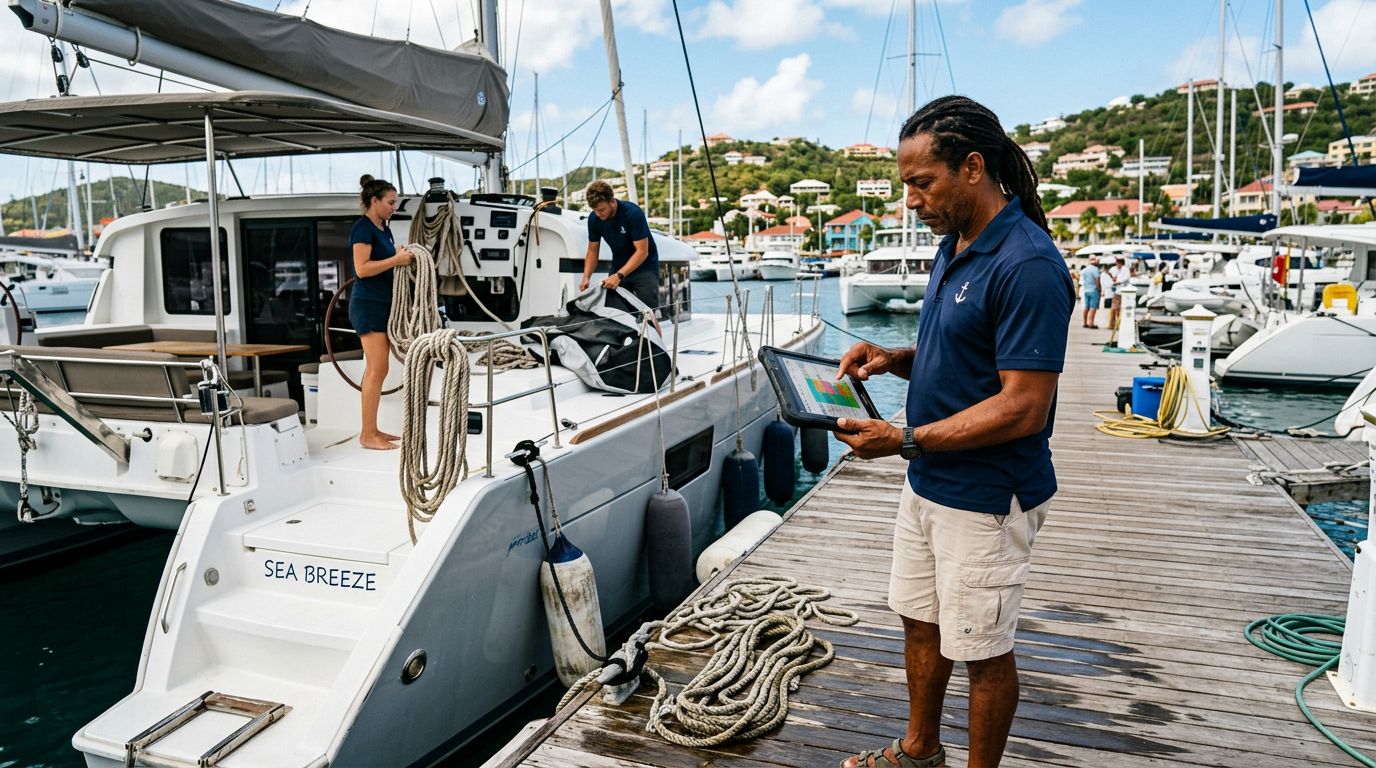
Vendor checklists run eighty items on purpose. You need about seven, and most software gets stuck around three.
Five out of seven is a solid system. Seven out of seven is rare. Any vendor who walks you through all seven but hides the fees until a sales call is selling you a conversation, not software.
When we launched Junglebee, I wanted a monthly fee. Genuinely. A flat recurring number is easy to forecast, easy to sleep on. So I proposed it to the operators we were building with.
They pushed back, hard. A flat monthly fee, they told me, is just a tax on a slow August. They wanted to pay only when they were actually taking money. So we threw out my tidy forecast and switched to a fee per transaction, charged only on bookings where we process the card. They were right and I was wrong, and we've run it that way ever since. You can read it on the pricing page because it lives on a page, which is sort of the point.
I tell that story because pricing isn't really about pricing. A vendor built the model around their convenience or around yours, and the fee structure tells you which before a salesperson opens their mouth.

Stop reading comparison sites. Pick two systems and run them. Build one real trip in each, deposit and waiver and weather policy included, then push a week of live bookings through both. Count three numbers: how many guests finished checkout on their phone, how long refunds took, and how many hours you burned reconciling at week's end.
Then call support and ask each one a question only an island operator would ask. Marine park user fees. A cancellation with the wind at 30 knots. Agent net rates for a hotel activity desk. The answer tells you whether the people who built it have ever stood on a dock, or just sold to people who do.
Then add up your true cost per booking, your own time included. Pick the lowest total, not the lowest sticker.
The reason I lost that charter in 2012 wasn't that the operator was a bad businessman. He was a brilliant captain. The problem was that his back office was him, and he was elbow-deep in salt water for two days while my guests booked someone else.
That's the whole thing. The right back office answers while you're running a snorkel trip to Pinel. Deposit charged the moment a guest says yes. Booking confirmed before you've untied the lines. The money home in your own bank, in your own currency, no detour through a country you've never visited.
Build the business that answers in two minutes. Not two days. I learned that one the expensive way so you don't have to.


