

June 5, 2026
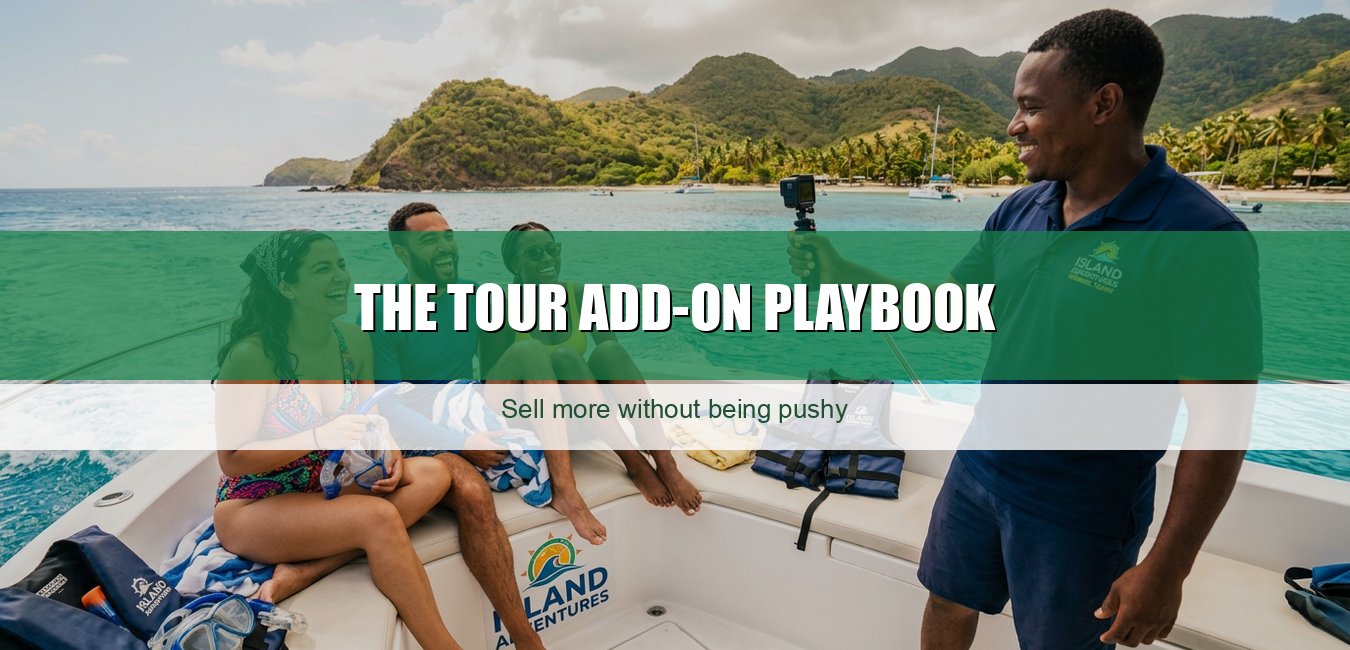
When I was crewing the afternoon snorkel run for Eagle Tours, the cooler made more money than I did.
Not the tickets. The cooler. Cold drinks, a rum punch on the ride back, snorkel gear for the folks who showed up in flip-flops. None of it was on the brochure. We just had it on the deck, and people bought it because they wanted it, right at the moment they wanted it. I was a teenager and I already understood something a lot of operators never figure out: the trip is what they book, but the extras are where the margin lives.
Most operators have a five-figure revenue line sitting on their boats every season and never charge for it. Towels, a photo package, the extra hour, the good seats up front. The guests would happily pay. The reason you do not offer it is almost never greed-aversion. It is awkwardness. Nobody wants to feel like a timeshare guy in board shorts.
Upsells do not fail because guests hate spending money on vacation. They fail because you ask at the wrong moment, in the wrong way. A captain yelling "anyone want the premium snorkel set?" while he is loading twelve people and untying lines is not selling. He is interrupting. The guest hears noise.
And the numbers back this up when you do it right. An analysis by Mirai built on real booking-engine data, cited by Asksuite, found that guests who accepted an upsell offer spent on average 14.05% more per booking. On a $500 charter that is a $70 lift with zero extra cost to get the guest in the first place. Run that across a busy season and it is your boat haul-out paid for.
I'll be honest about something, because this is where I have an opinion. Most upsell menus are built to impress a vendor's slide deck, not to actually convert on a dock. Fourteen line items, every one of them "monetizable." It is mostly theater. You need three that match the trip and solve a real guest worry.
Three is the sweet spot. More than that and guests freeze and pick nothing. Fewer and you are leaving money on the dock. The fancy add-ons that demo beautifully and never sell? Drop them. I would rather sell one photo package every trip than offer fourteen things nobody clicks.
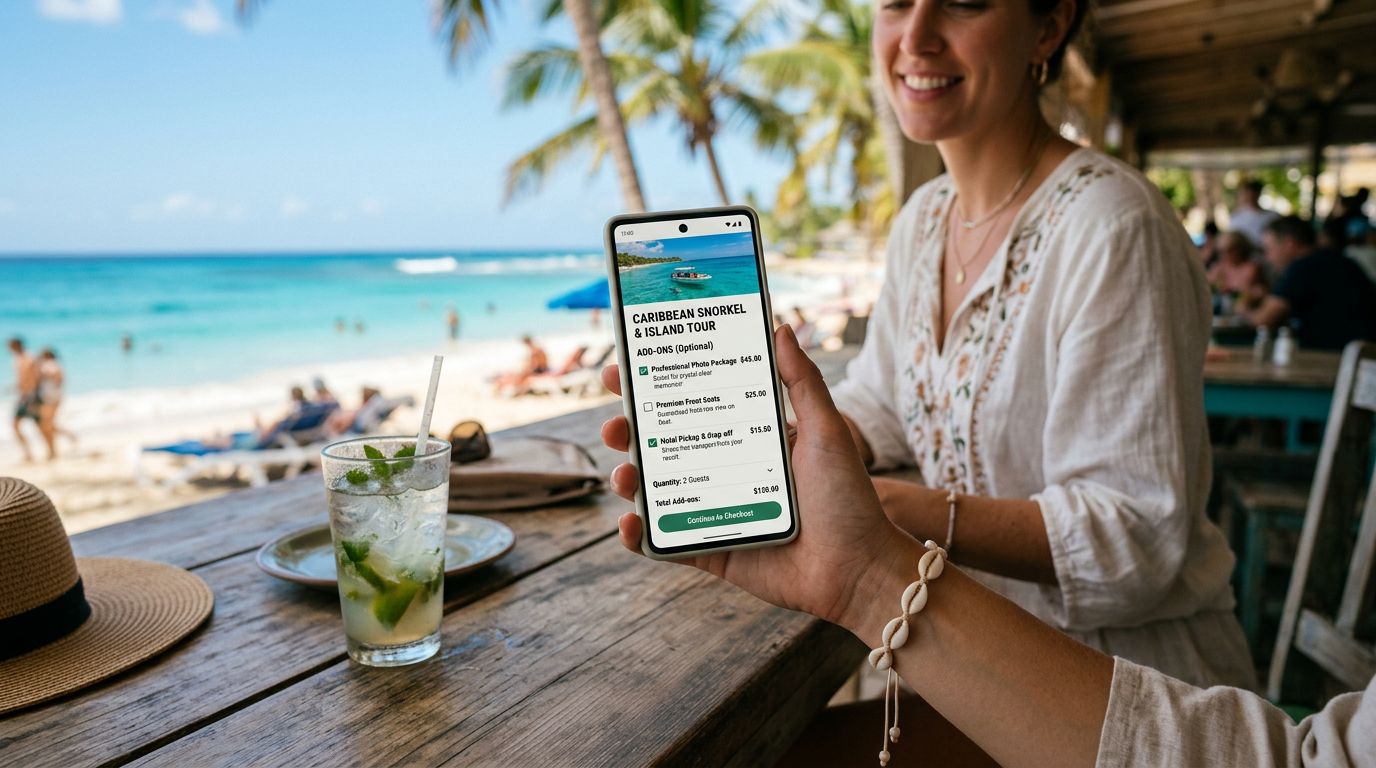
The "sell at checkout" instinct is right, but checkout is only one of four windows where the math works. Hit all four and none of them feels like a pitch.
Four touches, none of them aggressive. Each one matches where the guest's head actually is: planning, confirming, anticipating, experiencing.
The wording matters more than the offer itself. Two rules. Name the benefit, not the product. And always give the guest an easy out so it never feels like a corner.
Notice what is gone: pressure, fake scarcity, the countdown timer. You are not closing a deal. You are removing a friction the guest already has.
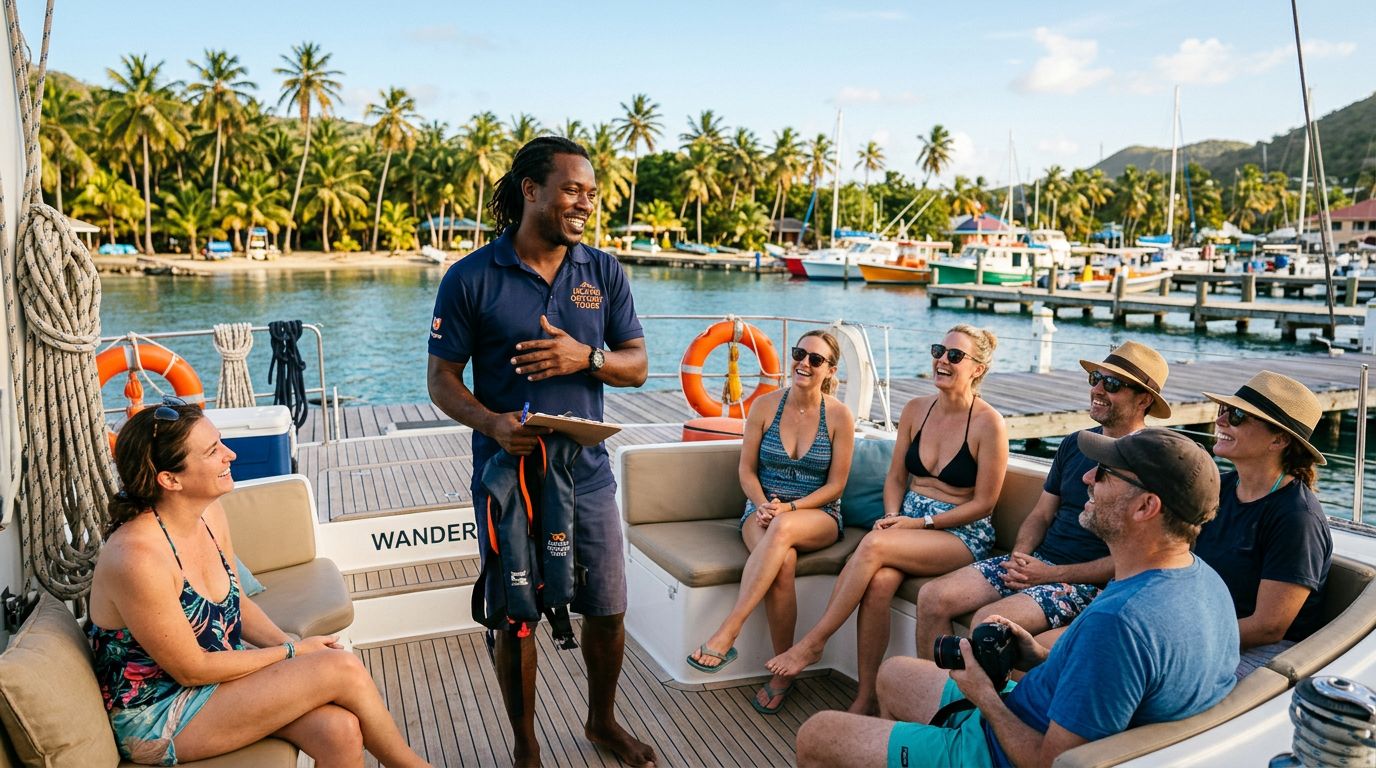
The real reason operators skip add-ons is that they hate the moment of asking. So stop being the one who asks. Move the offer into the booking flow and let the system carry it while you just run the boat.
A clean setup inside something like Junglebee's booking system looks like this:
That last point is the one I care about most. Eagle Tours digitized the whole operation and the data finally told them which extras paid and which just looked nice in the lineup. You stop guessing. You stop being the salesperson and go back to being the operator who happens to offer a better trip.
If you have never sold a single add-on, do not launch a five-item menu next Monday. Run one experiment. Pick the photo package: highest margin, lowest hassle to deliver, biggest emotional pull. Offer it at all four moments and track three numbers.
Hit even half of that 14.05% Mirai number and you have funded next season's gear without retraining a captain or spending a dollar on ads. The boats that win are not the loudest on the dock. They are the ones that ask quietly, at the right moment, with an answer the guest was already looking for. The cooler taught me that, and it still holds.


