

May 7, 2026
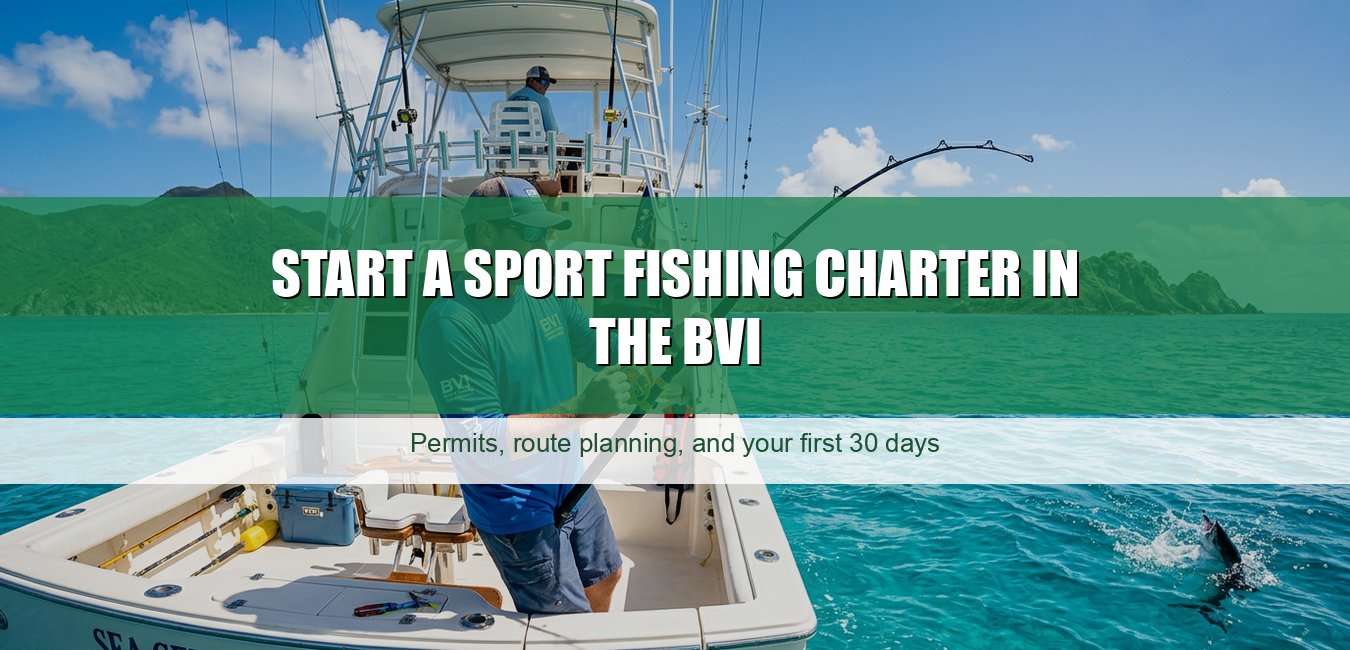
Sport fishing looks like the premium charter. Guests pay $1,500 to $3,500 for a day, and from the outside that sounds like serious money. It is, until you start itemizing what is on the other side of that number.
I grew up sailing out of St. Martin and I have been around BVI waters my whole life. The BVI is a stone's throw - 70 miles, a nice reach on a decent breeze. And what I can tell you is that sport fishing is a completely different category from a snorkel tour or a sunset cruise. Different boat, different crew structure, different fuel burn, different electronics. The margins that look fat on paper have a way of disappearing once you run the real numbers. But if you set it up right - legal, priced honestly, with bookings that actually work - you can build something good.
A snorkel run out of Simpson Bay takes a catamaran, a mate, some snorkel gear, and rum punch. A sport fishing charter takes a purpose-built offshore boat with a tower, outriggers, a fighting chair, a fish finder, a radar, and enough fuel to run 40 miles offshore and back. The fuel alone on a full-day trip can run $400 to $600 depending on your boat and where the fish are.
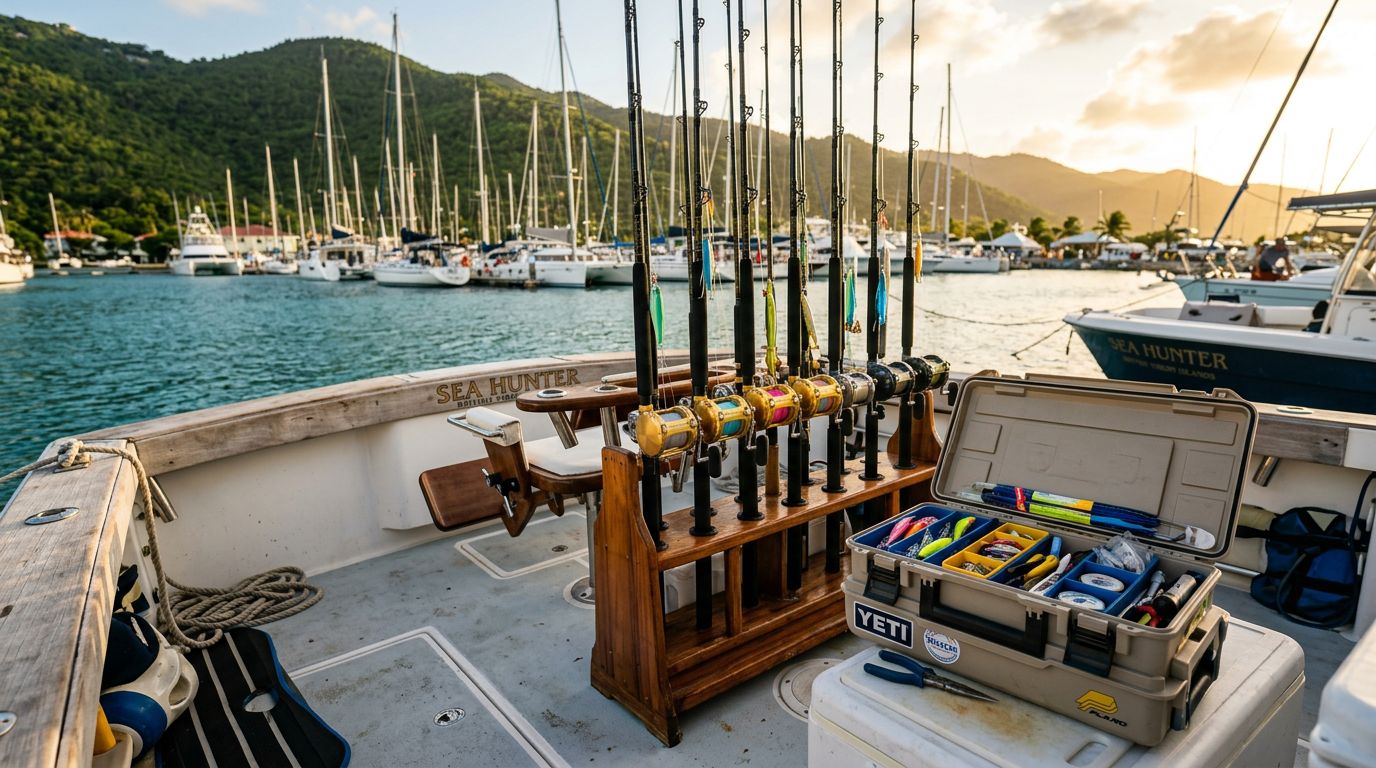
Then there is the gear. Trolling rods, jigging setups, leader material, lures. A quality reel for bluewater fishing costs $500 easily, and you will break things. Lines snap, guides crack, reels get dunked. Budget for it.
And crew structure surprises new operators. On a snorkel tour, a captain handles the day. On a sport fishing charter, you want a captain and a first mate - someone working the lines, setting the spread, coaching guests who have never held a rod. That is two salaries for the same trip. Do the math before you set your rates.
I'd say the sport fishing margin looks fat until you price in the fuel and the gear repairs. Then it looks a lot more like a real business, which means you have to run it like one.
The BVI is clear: fishing in its waters without a valid license or permit is illegal. Enforcement can mean fines, gear seizure, or worse. I have heard of operators getting boarded on their second trip out. That is not the kind of start you want.
The cleanest operating model for most new operators is a sport fishing experience positioned around the thrill, not the harvest. BVI regulations allow a 30 lb per boat personal consumption limit for sport and pleasure fishing - beyond that, it is catch-and-release. If you market a trip as "bring home a freezer full of mahi," but your permit structure does not support commercial harvest, you are in trouble before the guests even board.
No spearguns. No scuba gear for harvesting marine products. Put it in your booking confirmation so no one is surprised on the dock.
Funny story about a captain I know who ran a charter to Horseshoe Reef off Anegada. His guests wanted to anchor up and bottom fish. He knew the BVI listed it as a Marine Protected Area but figured enforcement out there was thin. A patrol boat found them in under an hour. Expensive lesson.
The BVI lists multiple Marine Protected Areas where fishing is prohibited - Horseshoe Reef (Anegada) and Green Cay (Jost Van Dyke) among them. Build your route around these from day one. Pre-plan your navigation tracks so your captain is not guessing under pressure.
Then there are the closed seasons. Know them before your guests do:
Build a simple calendar for your operation - which months are best for pelagics offshore, which for light-tackle work where allowed. Match your marketing to what is realistic. Guests who know what to expect forgive a slow bite. Guests who got the wrong pitch never come back.
The ocean does not care that you have four guests who paid $2,000 expecting sailfish. Some days the fish are not there. Good sport fishing operators build in fallbacks - a scenic run through the Sir Francis Drake Channel, a swim stop on Norman Island, a well-stocked cooler. You are selling the BVI, not just a fish count.
Market the thrill and the techniques - trolling past Great Dog, jigging the drop off Virgin Gorda - not "take home a cooler." Sport-first positioning means cleaner expectations, less mess, faster turnaround, and guests who tell their friends regardless of what they caught.
In the BVI your guests are comparing you to a full day charter - beaches, snorkeling, a beach bar. If your fishing charter is confusing to book, they will just pick the easiest catamaran day trip.
Start with one clean product. A 4-hour morning charter or a 6-hour half-day-plus. Clear inclusions: ice, water, soft drinks, a simple policy on what happens to the catch. A deposit to hold the date - protects your schedule and cuts no-shows.
When you are ready to take online bookings, you need something fast on a phone, capable of taking card payments, and collecting what you actually need before guests arrive. A charter-focused system like Junglebee is built for this - not a generic form with a PayPal button stuck to it.
I have watched operators spend six months perfecting a trip that almost no one knows they can book. Launch clean and tight instead. Licensing confirmed. Documents on board. A route that avoids protected areas. One hero trip, priced to make money after fuel and crew. Then take bookings and iterate.
Sport fishing margins look fat until you run the real numbers. Run them first. Then go find the fish.


