

March 20, 2026
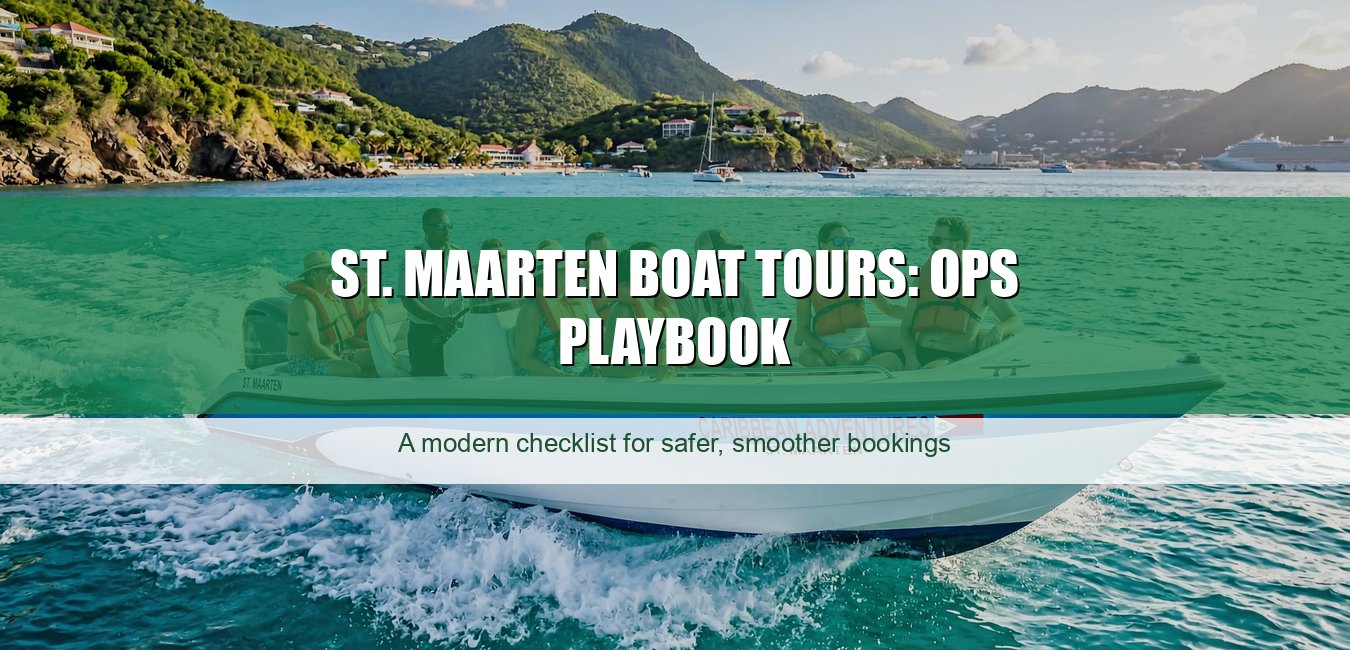
At 8:55am on a Tuesday, my concierge contact at one of the Maho resorts called to say she had eleven guests wanting a snorkel run to Tintamarre. She needed a confirmed departure before they finished breakfast. The Simpson Bay bridge was going up at 9:30am and again at 11:00am. Miss the 9:30 lift and I couldn't get out of the lagoon until eleven -- by which point the cruise ships had already been at Philipsburg for three hours and that crowd was somewhere else. I gave her the 9:30 slot and those eleven guests were on the boat. Four minutes. I've made that call hundreds of times, but I've watched newer operators fumble it for twenty because they didn't have a bridge-aware schedule built in.
Sixty percent of a St. Maarten tour operator's annual revenue swings on whether they've built their schedule around the Philipsburg port calendar. On a heavy cruise day -- three or four ships at the pier -- guests pour off looking for something to do in four hours. The operators with dock-partner agreements and concierge relationships in place eat well. The ones still handing out flyers at the waterfront are getting crushed or starving, and there's almost no in-between.
What most operators get wrong: they wait to see how busy it gets before deciding how many departures to run. By then it's too late. You need fixed departure windows locked in before the ships arrive, with a check-in cutoff enforced hard. Bend the cutoff on a busy cruise day and you miss your slot, burn your crew's turnaround time, and the afternoon run falls apart.
And I'll be honest -- a lot of St. Maarten operators are still running this like it's 2010. Paper receipts. No online booking. Their dock partner doesn't push them because the dock partner has five other boats to fill first. They're missing the Philipsburg cruise wave not because the guests aren't there but because the moment a guest pulls out their phone to book, there's nothing to tap. That's an unforced error.
If your boat is based inside the lagoon -- which most are, because that's where the marinas sit -- your departure time is not actually yours to choose. It's whatever fits around the bridge lift windows.
I grew up knowing those times the way I know my birthday. My parents built Eagle Tours around them. When I was running SXM Deals, the bridge schedule was still the first thing I checked whenever an operator told me their departure windows weren't working. Nine times out of ten they hadn't accounted for the transit time out of the lagoon.
Build your schedule around the lift times. Put them in your booking confirmation so guests aren't confused when departure feels early. And when you set availability blocks in your booking system, account for lagoon transit, not just time on the water.
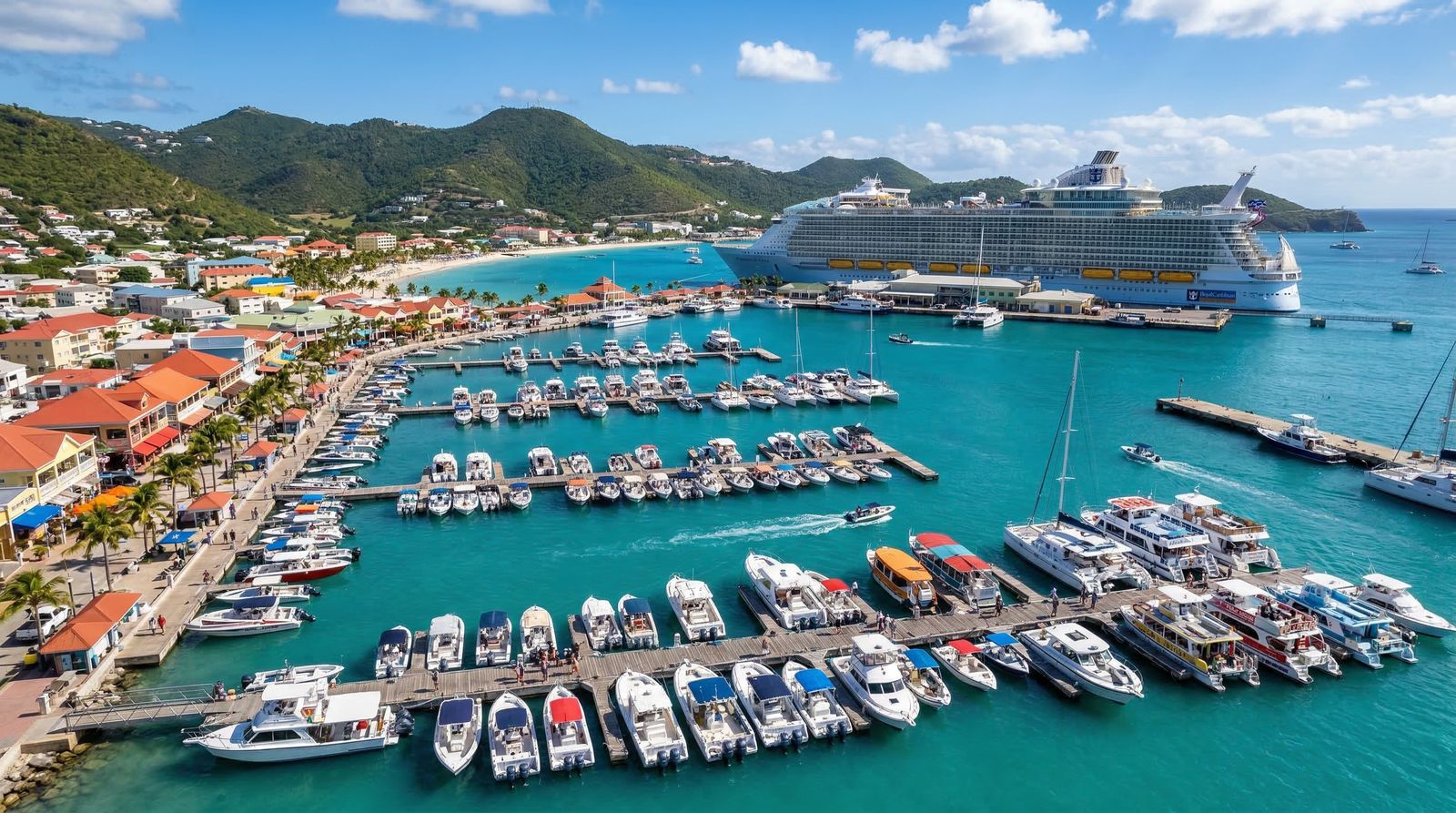
St. Maarten is two jurisdictions on one island. The Dutch side handles marine licensing and port authority clearance under Dutch Caribbean regulations. The French side has its own permitting framework. If you want to operate from Grand Case or Marigot, or run guests to Pinel Island and Tintamarre consistently, you need to be sorted on both sides.
I've watched operators set up on the Dutch side and assume they can run freely to Orient Beach and Friar's Bay without any conversation with the French maritime authority. That assumption costs you eventually. Get a local maritime agent to walk you through it once and it's done. It's a maze -- I won't pretend otherwise -- but it's a finite maze.
The resorts in Maho, Mullet Bay, and Orient Beach have activity desks fielding hundreds of guest requests per week during high season. If they know your name and trust your operation, they send you guests before they open a browser.
Aquamania understood this early. They were already a big operation -- paper-based but organized -- and when they digitized, the first thing they built out was a way for concierges to check real-time availability and confirm directly without calling. The calls didn't stop, but the ones that happened were about upgrades, not "are you available at noon."
The relationship side is still personal. Show up. Bring the activity desk manager on a trip. Make sure they know your weather policy cold so they can explain it to a guest in thirty seconds. But a system that lets the concierge confirm instantly -- without waiting for a callback -- is what turns a good relationship into reliable revenue. That's exactly what we built into Junglebee: hotel agents log in, see live availability, and confirm without a phone tag chain.

Hurricane season is June 1 to November 30, peak August through October. Every operator knows that. What the apps don't give you is the micro-read on the wind behavior around Pelican Peak and down toward Orient Bay -- the thing that decides whether a morning run to Tintamarre is comfortable or a mess even when the forecast says fine.
The romanticized version of this job is blowing conch shells at sunset. The actual skill is reading the wind at 6:30am and making a call your guests will respect because you made it clearly and early. Your weather policy needs to be written down and in every booking confirmation: what triggers a cancel, what guests receive when you cancel (reschedule, credit, or refund -- state it), and how early you'll communicate. Guests who get a heads-up by 7am will rebook. Guests who find out at the dock do not.
High season runs roughly December through April: cooler trade winds, full hotels, visibility to the bottom at Pinel. That's when you protect margin -- fewer discounts, premium add-ons, charter rates that reflect actual demand. Low season through the hurricane months is about surviving well. Tighten your minimum passenger thresholds so you're not running half-empty boats at fuel cost. Call the Maho resorts in August. They're not sending you volume now, but they're deciding who they trust in December.
The thing that hurts operators more than slow season is running the same deposit policy year-round. An undeposited booking in August has a much higher no-show rate than the same booking in February. Adjust your deposit rules by season and trip type. It's a decision you make once and put in the system -- different deposit rules per trip type, no manual rewriting.
Those eleven guests got on the water because the concierge trusted me to give her a fast answer and because I knew the bridge schedule cold enough to make the call in four minutes. Know your timing constraints. Know your licensing edge. Have the concierge relationships locked before cruise season. Have a weather policy guests read before they book, not after you cancel.
Most of this isn't complicated. It just needs to be written down and not renegotiated every morning at the dock.


