Junglebee
How to start a yacht charter business, honestly
An honest operator walkthrough for starting a yacht charter business: boat, USCG license, insurance, dockage, first bookings, and the mindset shift.
 Michael RouveureFounder, Junglebee ·
There was a captain I ran with in Simpson Bay who was better on the water than anyone I've ever watched. He could back a 40-foot cat into a slip in a crosswind while holding a coffee. Guests loved him. And one season he decided he was done working for other people and he was going to run his own charters. He had the boat. He had the skill. He was out of business inside a year.
Not because he was a bad captain. Because owning a boat and running a charter business are two completely different jobs, and nobody tells you that until the first month you're doing both at once.
I grew up on the water in St. Martin. My parents built Eagle Tours, and I came up through it the long way, deckhand to first mate to captain, running cruise ship and hotel guests out to the reefs and over to Anguilla and St. Barts. So I've seen the independent dream up close more times than I can count. Here's the sequence nobody puts in the brochure, whether you're in Simpson Bay, Fort Lauderdale, or St. Thomas.
The boat is the easy part, and that's the trap
Everyone starts here because it's the fun part. You either own a boat or you don't. If you don't, you have two real paths: buy one, or set up a charter agreement with an owner who has a hull sitting idle most of the week.
I'd tell you the agreement path is underrated. A lot of new operators think they need to own the boat to be legitimate. You don't. You need access to a boat on the days you can sell it. An owner who's only using his vessel on weekends might happily let you run weekday charters for a revenue split, and now your startup cost is a conversation instead of a loan.
But whichever way you go, notice what just happened. You solved the boat. And the boat was never the thing that was going to sink you.
The license nobody wants to study for
If you're operating a vessel carrying passengers for hire in U.S. waters, you generally need the right U.S. Coast Guard merchant mariner credential, and this is where the daydream meets the sea time log.
The two you'll hear about most:
- OUPV, the six-pack. In most U.S. waters, this credential covers uninspected passenger vessels carrying six or fewer passengers for hire, though places like the U.S. Virgin Islands have their own exceptions. This is where many start, and it's enough to run a small charter.
- Master of self-propelled vessels of less than 100 GRT. Paired with a vessel that has the right Coast Guard Certificate of Inspection, this is the path for small passenger vessels carrying more than six. More sea time, exams or approved coursework, a bigger commitment.
Both require documented sea service, medical certificate approval, drug-testing compliance, and exams or approved coursework. And here's the honest part. The license lets you drive the boat legally. It does not teach you a single thing about running a business. I've met plenty of Master 100-ton captains who couldn't tell you their cost per charter. Growing up at Eagle Tours, the captains I respected most were the ones who understood both, and there were fewer of those than you'd think.
Insurance and dockage are where the fun money goes
This is the section that made my Simpson Bay friend go quiet when I walked him through it after he'd already committed.
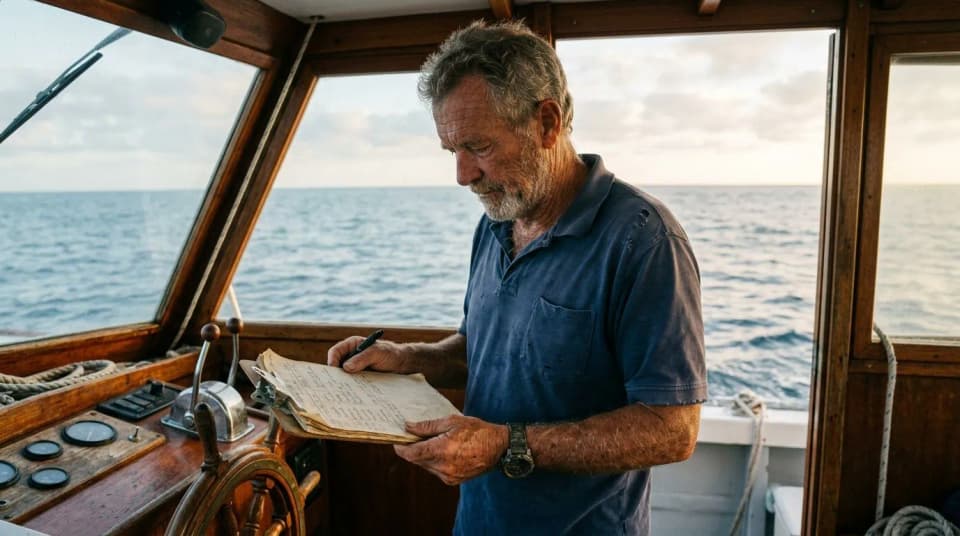
Two kinds of coverage you cannot skip. Hull, which covers the boat itself. And P&I, protection and indemnity, which covers your passengers and your liability when something goes wrong on the water. P&I is the one people try to underbuy, and it's the one that ends businesses when a guest slips on a wet deck and lawyers show up. Carry it properly or don't carry passengers.
Then dockage. A slip or a mooring in a decent location is not cheap, and in many markets it's the constraint before the boat is. Down here, good berths near the cruise traffic fill up. Florida has documented slip shortages and waitlists; in the USVI, you're also dealing with anchoring, mooring, and cruising-permit rules. A boat you can't reliably get guests to is a very expensive hobby.
Your first bookings will humble you
So you've got the boat sorted, the license framed, insurance bleeding your account monthly, and a slip. Now you need guests. And this is the part where being a great captain stops helping you at all.
The first bookings are slow and they come from everywhere and nowhere. A hotel concierge who likes you. A repeat guest from your old job who followed you. A cousin's friend. What you learn fast is that a booking isn't real until the deposit is charged and the trip is confirmed, and the gap between "someone messaged me about a charter" and "money in the account" is where new operators lose their season.
I watched my friend take a booking on a text message, hold the date, turn away two smaller trips to protect it, and then the group ghosted him the morning of. No deposit. No policy. Just a held date and a burned Saturday. He did that maybe three times before he understood that the messaging was not the business. The confirmed, paid, on-the-calendar booking was the business.
That gap is exactly the problem we built Junglebee to close for charter operators, by helping guests book online, pay by card, Apple Pay or Google Pay, and turn an inquiry into a confirmed reservation instead of running the calendar off phone notifications.
The shift from "I own a boat" to "I run a business"
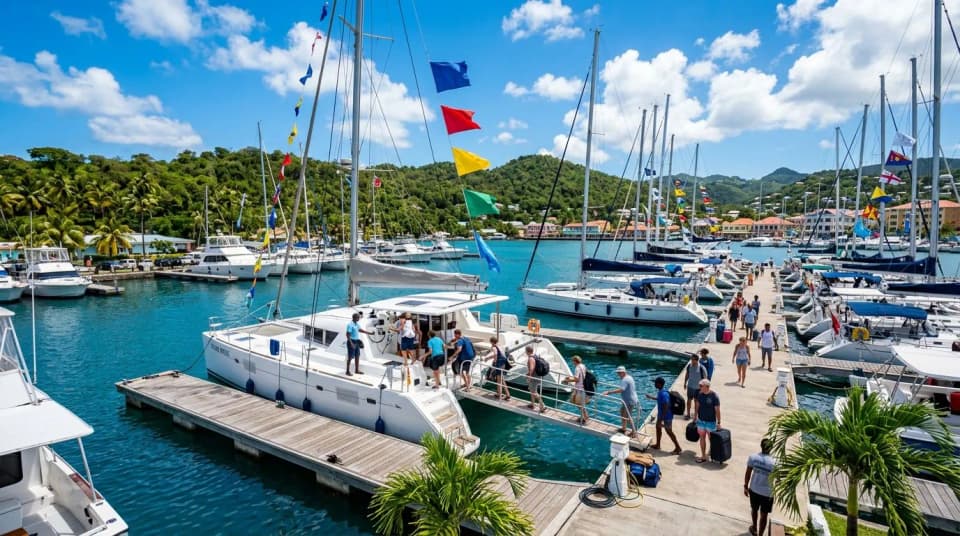
The captains who make it are the ones who cross a line in their own head, usually around month four. It's the moment you stop thinking of yourself as a guy with a boat who takes people out, and start thinking of yourself as a business that happens to use a boat.
It sounds small. It's everything. The guy with a boat checks his messages when he gets back to the dock. The business owner has a deposit charged and a trip confirmed before he's even untied the lines that morning, because the back office answered while he was busy being a captain.
My Simpson Bay friend never made that crossing. He stayed a captain who happened to be self-employed, and the business part just quietly bled him out. Meanwhile the operators I grew up watching at Eagle Tours, the ones who lasted, they figured out early that the water was the easy shift. The hard shift was everything that happened on land.
So if you're a captain sitting on this dream right now, get the boat access, get the right license, buy the insurance you're tempted to skip, and lock down a slip. But the day you actually start a yacht charter business is the day you stop protecting held dates on faith and start running it like it can answer for you when you're out on the water. That's the whole leap. I've watched a lot of good captains not make it.
Booking page, card payments, one calendar for your website, booking page and desk. 4% per card payment, no monthly fee.