Junglebee
How Caribbean tour operators survive low season
A first person operator survival essay on the Caribbean low and hurricane season. What you cut, what you cannot, and why cash discipline wins.
 Michael RouveureFounder, Junglebee ·
I watched an operator fold in September once, and the sad part is he had a great April.
This was years back, when I was still crewing and captaining at Eagle Tours. A guy running a couple of boats out of Simpson Bay, good captain, guests liked him. High season came in and he did well. Really well. And he spent like it. New truck. Paid off old debts. Put a deposit on a third boat. April felt permanent to him.
Then June came. Then July. By the time the water calmed down again in the fall he was gone. Boats sold, back to working for someone else. He didn't fail because he was a bad operator. He failed because he budgeted the month instead of the year, and the month lies to you.
April cash is not your money yet
Here is the trap. From roughly December through April you can convince yourself you run a printing press. Cruise ship days stacked up, hotels full, charters back to back. The cash comes in fast and feels like it always will.
It will not. The Atlantic hurricane season officially runs June 1 to November 30, and the worst of it tends to land August through October. Six months where your good days get thin and your best month might not cover its own fuel. The money you take in April is not April's money. It is the year's money. Part of it belongs to a September that has not shown up yet.
My father drilled this into me before I understood why. Budget the year, not the month. You do not get to feel rich in March. You feel rich in December, after you have carried the whole thing across a summer that tries to eat you alive.
What you cannot cut, no matter how slow it gets
When the water goes quiet the instinct is to slash everything. Some of it you can. A lot of it you cannot, and the stuff you cannot cut is exactly what a panicking operator cuts first.
- Dockage. Your slip or your mooring is not optional. Give it up to save a few months of fees and you may not get it back, and a boat with nowhere to live cannot operate next season.
- Insurance. Hull and P&I coverage stays on, full stop. Cancelling insurance in June to save cash, right before the months a storm might total your boat, is the dumbest move I have seen operators make. It looks smart until the one day it does not.
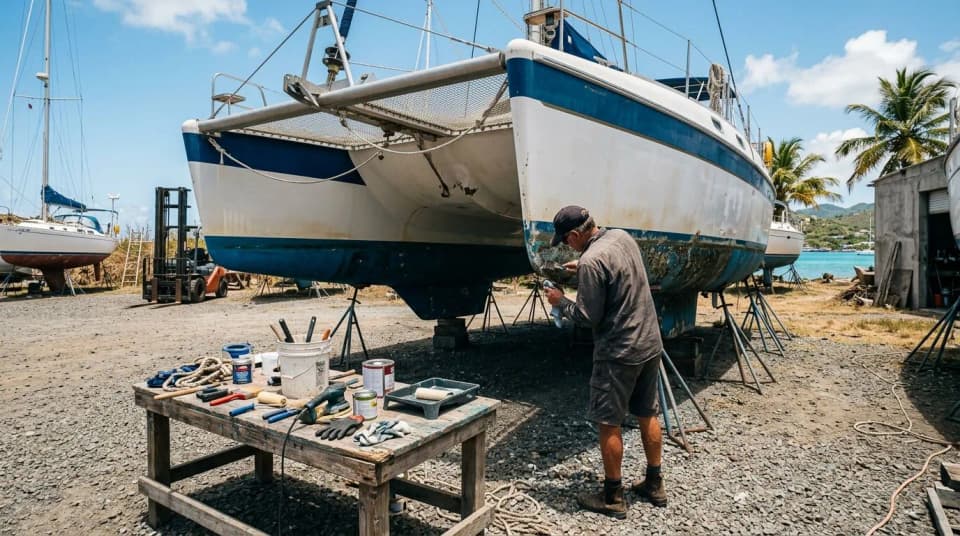
- Essential maintenance. Engines, thru-hulls, safety gear, the bottom. A boat that sits all summer without care does not come back cheaper. It comes back with a surprise you pay for in November, when you can least afford it.
These three are the floor. Whatever else happens, you find the money for them. If your low season plan involves touching any of these, you do not have a plan. You have a countdown.
What you actually can cut
Now the good news. There is real room to trim if you cut in the right order.
- Crew hours. The big one. In high season you run a full crew every day. In low season you run lean, scale hours to actual bookings, and keep your best people on the runs that go. Good crew understand the season. Be straight with them in April, don't spring it on them in July.
- Ad spend. Pouring marketing money into September the way you do into January is throwing it in the water. Spend where the demand is and pull back hard where it is not.
- Inventory and consumables. Do not stock drinks, snacks, and branded gear for a hundred trips a week when you are running fifteen. That cash sits on a shelf when you need it liquid.
- Non-essential capex. The new boat, the sound system, the extra tender. All of it waits until you have carried a full year and know what you really have. That third boat my Simpson Bay guy put a deposit on? Capex he mistook for a reward.
The lean shoulder season that keeps you alive
Surviving summer is not just about cutting. The operators who make it through quietly build a second, smaller business that runs when the tourists thin out.
Locals are the backbone of that. Sunday family runs, birthday charters, a group of friends who want a beach day at Pinel or Tintamarre. It is not high season money but it is real money, and it moves in months when nothing else does. Price it for the local market, treat those people well, and they come back and bring more.
Dive shops are the other lifeline. When your calendar is empty, a standing arrangement to run divers or ferry a shop's guests fills days you would otherwise lose. Then there are your repeat guests, the ones who come back off-peak because it is quieter. A guest who already trusts you is the cheapest booking you will ever get, and low season is when they matter most.
None of this replaces high season. It keeps the lights on and the crew there when the good months return.

The weather will decide your calendar, not you
Here is the part the spreadsheet never captures. In summer the weather does not just slow you down. It stops you cold.
A serious system rolls through and you are off the water for a week, maybe two. Not one blown-out morning. Days on end. And you cannot simply reschedule everyone once it clears. You cannot run twenty charters in the three good days after a storm you lost during it. Not enough boats, not enough crew, not enough daylight. Those bookings are mostly gone, and the calendar only holds what it holds.
So you plan for it before it happens. Keep a clear weather policy so guests take credit instead of cash in the middle of your slowest month. We built Junglebee so an operator can move a paid trip, keep the deposit attached, and track credits without fighting through twenty emails after the weather clears. And keep enough cash in the bank to eat a lost week or two without flinching, because in August that is not some remote possibility. It is something you should plan for.
What to do this month
It is July. You are already in it. What actually helps right now:
- Add up your true monthly floor. Dockage, insurance, essential maintenance, the crew you must keep. That is the number you have to hit every month, storm or no storm.
- Count your cash against that floor. How many months can you cover with nothing coming in? If the answer scares you, cut the right things now.
- Call your locals and your dive shops. Line up the shoulder-season runs before you need them, not after.
- Write your weather policy down. Credit over cash, in plain language, so a storm does not turn into twenty arguments.
The Simpson Bay guy did not lose his business in September. He lost it in April, the month he decided the good times were the whole picture. Budget the year, not the month. Everything else is detail on top of that.
Booking page, card payments, one calendar for your website, booking page and desk. 4% per card payment, no monthly fee.