Junglebee
Charter boat business plan: what mine actually looked like
A charter boat business plan written by an operator: what banks actually ask, what templates miss, and the line that quietly sinks operators.
 Michael RouveureFounder, Junglebee ·
The business plan they teach you to write is built to impress a loan officer who has never untied a line in his life.
It has an executive summary, a market analysis with a pie chart, a five-year revenue projection that curves up and to the right like it was drawn with a ruler, and a paragraph about your "competitive advantages." I have read a few of these. I have helped people write a couple. And I have run an actual charter operation, growing up in the family business in St. Martin, working the boats from deckhand to captain. So I can tell you the gap between the plan on the page and the plan that runs a boat is wide enough to drive a catamaran through.
This is what mine actually looked like. Not the template. The real one.
The number every template skips: what a single seat actually earns you
Most plans start with the boat. Wrong end. Start with the seat.
A charter business is not "I own a 38-foot cat." It is "I have X seats, Y days a year I can actually sell them, and Z dollars I keep per seat after everything." Everything being fuel, crew, the dock, the marine park user fee, the card processing cut, the agent commission, and the bookings you refund when the wind comes up.
When I sat down and did this honestly for the runs I knew, the number that mattered was not the sticker price on the tour. It was the contribution per seat per departure, multiplied by how many departures the weather and the calendar would actually give me. And the calendar is brutal. Hurricane season runs June through November, and the risk can eat into the calendar. The shoulder weeks are quiet. Your real selling year is shorter than you think, and a bank's "annual revenue" line pretends every month is December.
So the first page of my plan was not a vision statement. It was a one-line truth: how much does one filled seat put in my pocket, and how many of those can I honestly sell? Get that right and the rest of the plan writes itself. Get it wrong and no amount of executive summary saves you.
Fixed cost is the boat. Variable cost is the trip. Confuse them and you sink.
The math no template runs for you is the math that decides whether you survive a slow August.
The boat, the insurance, the slip, the loan payment - those exist whether you run one trip or forty. Trip crew, fuel, water and ice, park fees, card fees - those mostly show up when the boat actually leaves the dock. Cover your fixed costs on the busy days or the slow days will drown you.
I have watched people buy too much boat. A beautiful, big, expensive cat that needs a big crew and a lot of fuel, on a route that fills it maybe two days a week. The boat was gorgeous. The fixed-cost line was a noose. A smaller boat you fill is worth more than a bigger boat you don't, every single time. The plan should make that decision for you before you sign anything.
- List fixed costs as a monthly nut. What has to get paid even in September when fewer ships come in. That is your survival number.
- List variable costs per departure. Fuel, crew, ice, fees. This is what each trip actually costs to run.
- Find your breakeven in seats, not dollars. How many seats a week covers the nut. If that number scares you, the boat is too big.
What a bank actually asks, versus what you put in the binder
People write the plan for an imaginary investor and then walk into a real Caribbean bank, and the two conversations have almost nothing in common.
A local bank in the Caribbean is not mainly judging your TAM slide. They want to know three things. Can you make the loan payment in low season. What happens to their collateral, the boat, in a hurricane, and is it insured for it. And have you, personally, done this work before or are you a tourist with a dream and a down payment. That last one is unspoken but it is the whole meeting.
So the version of the plan that matters is short. A real monthly cash-flow showing the lean months survive. Proof of insurance that actually covers a named storm. And evidence you can run a boat, sell a seat, and handle a refund without losing money. Skip the pie chart. Bring the cash-flow that does not lie about June.
The line everyone forgets: how the money gets to your bank
Every charter business plan I have ever seen is missing this line, and it is the one that quietly hurts a lot of operators down here.
Your plan assumes that when a guest pays, the money lands in your account on your island. On the mainland that is usually an easier assumption. In the Caribbean, it often is not. Stripe is unavailable for many of us locally, and PayPal-style workarounds often do not settle cleanly into a Caribbean business bank. So what I see, and it genuinely gets to me, is operators routing card payments through a US or European bank because the booking software only spoke Stripe, then wiring it home weeks later. Money takes a vacation to another continent before it comes back. I don't know how that survives an audit and I don't know why anyone designs a business that way.
Your plan has to answer one question on day one: when a card is charged, where does that money sit, in what currency, and how long until it is yours. We built Junglebee so the answer is your own bank: in the Caribbean, a JB Pay wire to your local bank every fortnight, in US dollars; elsewhere, straight into your own Stripe account. No offshore detour. Put that line in your plan. It is more important than your logo.

Write it for yourself first, the lender second
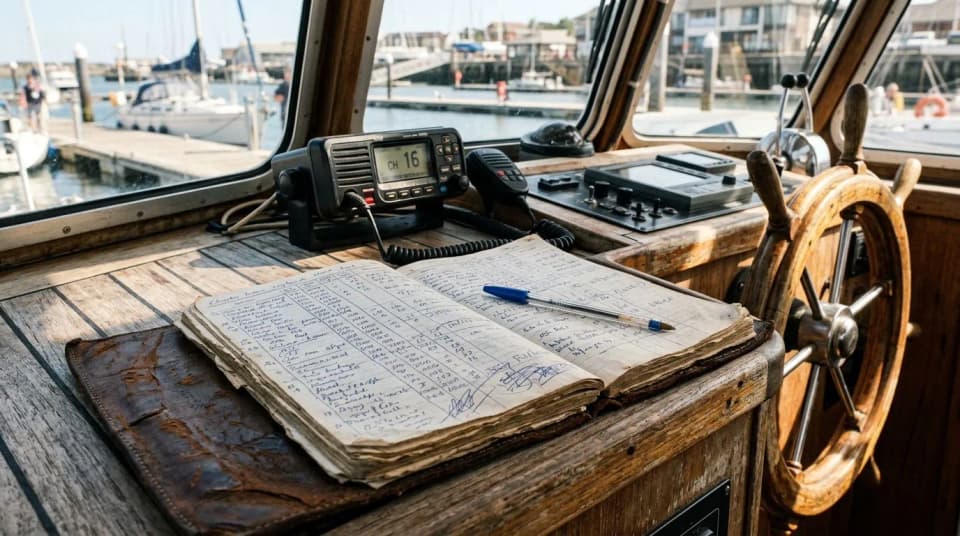
The plan that got me anywhere was not the one I would have handed a bank. It was the ugly one in my own notebook. Contribution per seat. The honest selling calendar with the dead months blacked out. The monthly nut I had to cover no matter what. The day I would run out of cash if the season started slow, written down in actual dates so I could not lie to myself about it.
A business plan is not a document you produce to get approved. It is the math that tells you, before you have spent a cent, whether the thing floats. The polished binder is the costume you put on for the loan officer. The notebook is the plan. Write the notebook first.
If you only take one thing from this: start with the seat, not the boat, and never write a revenue line that pretends June is December. The water down here has no interest in your projections, and neither should you until the seat math holds.
Booking page, card payments, one calendar for your website, booking page and desk. 4% per card payment, no monthly fee.