

April 8, 2026

I had a hotel concierge call me at 8:55am once, five minutes before a tour departure, to ask if Eagle Tours still ran the snorkel trip she'd been sending guests to for two years. Not to make a new booking. Just to confirm the tour existed. I asked her how she was finding out about tours to recommend these days. "I ask ChatGPT," she said, completely matter-of-fact. "If it doesn't know about you, I go with whoever it does know about."
That was the moment I stopped treating AI trip planning as a future problem.
When a guest types "best snorkel tour in St. Maarten" into ChatGPT or Perplexity or Gemini, they are not opening twenty tabs. They get a shortlist of three names and pick one. The research phase is over before your website ever loads.
Adobe tracked a 3,500% jump in traffic from generative AI sources to U.S. travel sites in 2025. A Skift survey found that the share of travelers using ChatGPT-style tools for trip planning went from 13% in 2024 to 30% in 2025. That number is not slowing down.
And it is not abstract for St. Maarten operators. Last month I tested it myself. I opened ChatGPT and asked for the top boat tours in St. Maarten for snorkeling. Eagle Tours came up second. Not because of their Google ranking. Because of their TripAdvisor reviews. The AI had read what actual guests wrote and used that as its evidence.
Operators I talk to are either panicking about AI or ignoring it entirely. Both responses miss the point.
AI tools are not inventing recommendations. They are summarizing what already exists - your TripAdvisor page, your Google reviews, your website copy, your Viator and GetYourGuide listings. If that information is thorough, consistent, and genuinely good, you show up. If it is thin or outdated, you don't.
So the question is not "how do I hack AI?" The question is "have I given the AI anything worth repeating?"
That concierge wasn't checking ChatGPT because she was lazy. She was checking it because it gave her a faster, more confident answer than calling around. If your reputation is already strong, AI amplifies it. If it is weak, AI ignores you. Operators who are panicking about losing SEO rankings are missing that completely - the AI is reading the same internet you already live on.
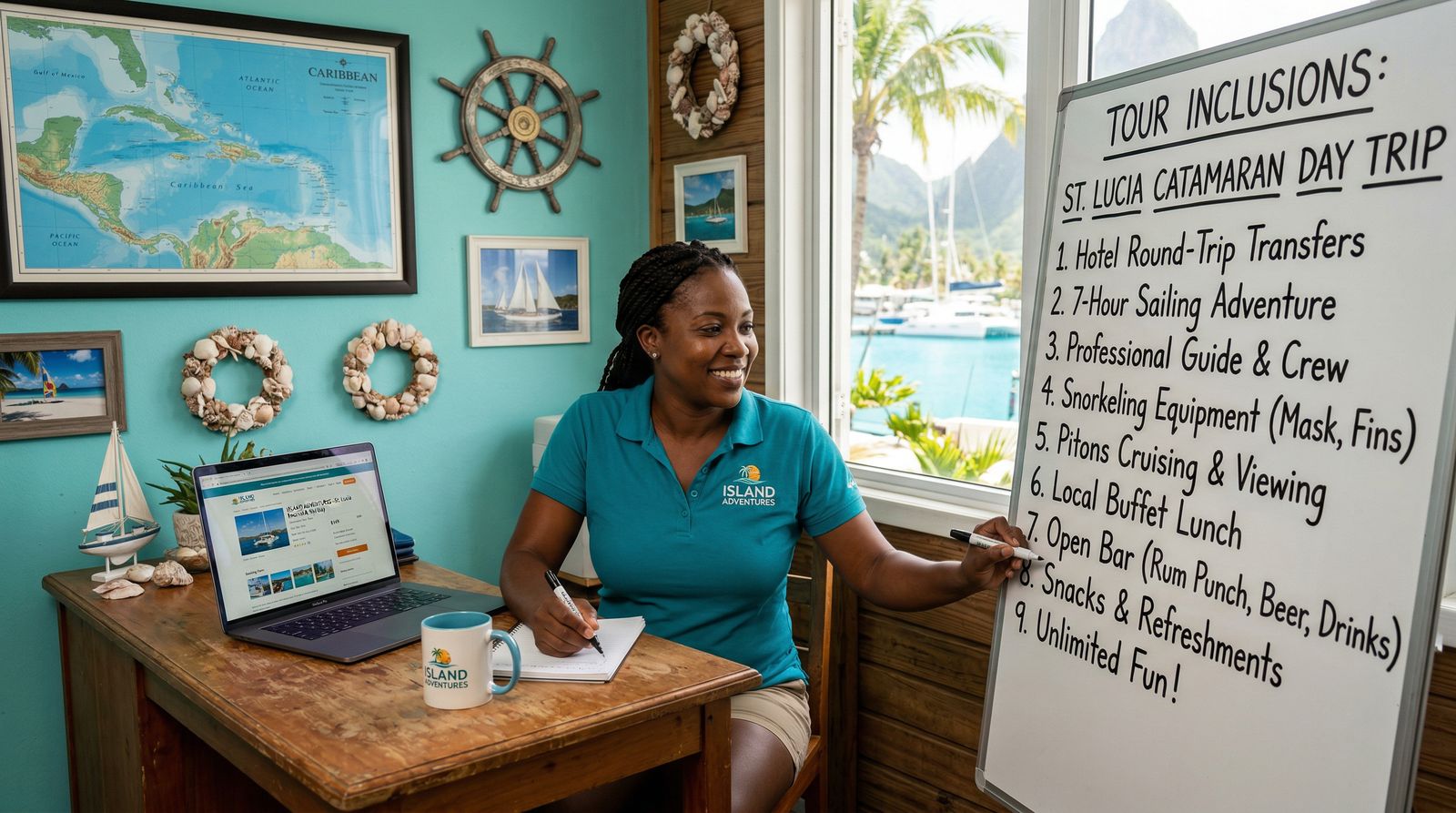
When a model pulls together its answer about the best tours in your area, here is what it is working from:
None of this is new work. It is the maintenance most operators know they should be doing and keep putting off until next season.
Your tour page has two jobs now: sell to a human and scan cleanly for a machine. Those requirements are the same - clarity.
One-sentence summary at the top: what the tour is, how long, what is included, where it goes. Quick facts block below that. A real FAQ covering what guests ask by WhatsApp. Cancellation and weather policy in plain language. If a stranger cannot explain your tour to a friend after a ten-second read, the AI cannot explain it either.
Then speed. AI-referred guests have already decided. They are not browsing - they are committing. If your booking flow requires a phone call to confirm, you will lose them to whoever the AI mentioned second. Instant confirmation is not a nice-to-have anymore. And mobile checkout has to work cleanly - name, email, phone is all you need to take a deposit. The Junglebee booking flow confirms the slot the moment a guest pays, no manual step in between.
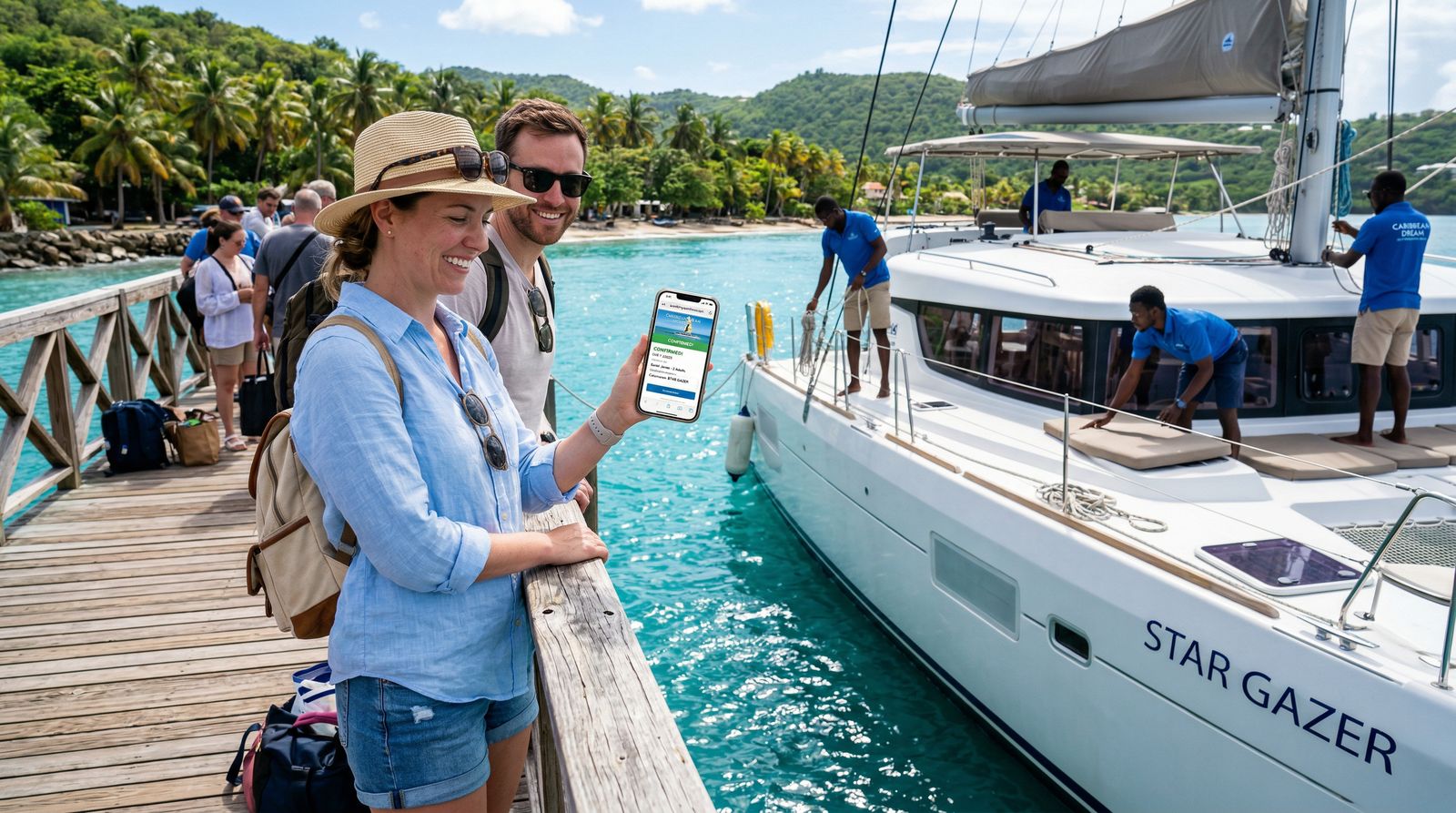
AI recommendations are built on existing reviews. So the cycle is: strong reviews get you into the AI shortlist, more guests find you through AI, more guests do your tour, and - if you ask at the right moment - more guests leave strong reviews. Repeat.
That review ask has to happen within 24 hours of the trip. Ask too late and the feeling is gone. The right time is the afternoon or evening of the day they were out with you, while it is still fresh. Collect email at checkout. Send a pre-trip message with meeting point and what to bring - it cuts your morning-of calls by a lot. Then the post-trip note with a direct review link does the rest.
I've watched operators spend real money on Google ads trying to outrun a poor reputation. It doesn't work, and it's going to work even less as more guests skip Google entirely and go straight to a chat. The AI doesn't care about ad spend. It reads what guests wrote on TripAdvisor and makes a call.
That concierge who called me at 8:55am wasn't negotiating. If the AI gave her a confident answer, she went with it. Eagle Tours came up in my ChatGPT test because they've spent years building a real reputation on the water, and that reputation now lives in hundreds of places the AI can read.
Tighten your tour descriptions. Ask for reviews consistently. Keep your OTA listings current. Respond to the bad ones. Make it easy to book on a phone. Do those five things and the AI will find you - because that is what it was always going to read.


