Junglebee
4 Tour Activities Growing Fastest in 2026
Many tour companies leave money on the table each and every quarter by not looking for opportunities to capitalize on popular tourist activities.
 Michael RouveureFounder, Junglebee · · updated
Most operators I talk to are still chasing the same four categories: swim with dolphins, jet ski tour, snorkel and lunch, sunset cruise. Those categories are saturated. The OTA listings look identical. The prices race to the bottom because the product is identical. You can book "snorkel and lunch" from forty operators in St. Maarten alone and not know which one you're getting.
Meanwhile there are four formats where Caribbean operators are actually growing, and most of the competition hasn't caught up yet. The operators running these are charging more, booking further out, and getting repeats. Here's what's working in 2026.
Sunset cruises with a chef on board
The standard sunset cruise is everywhere. Two hours, rum punch, same playlist. There are fifty of them and the guest has no reason to pick yours over the one priced $15 cheaper.
Add a real chef. Not a crew member who can grill - a local chef who comes on board with fresh catch, cooks a 2-3 course dinner during the sail, and can explain what's on the plate. Now you're not a sunset cruise. You're a dinner-sail, and you're in a completely different bracket.
Typical price: $180-220 per person versus $75-95 for the standard version. Who books it: couples celebrating something, anniversary groups, boutique hotel guests with a food-forward mindset. Why it's growing: people want a moment they can't replicate at a restaurant, and a chef on a catamaran at golden hour is exactly that.
What you need: one good local chef on a fixed per-trip fee, a menu you can prep dockside before departure, and a fire safety check if you're cooking on board. The biggest gotcha: most charter boats weren't designed as kitchens. Work out the setup and cleanup before you sell your first seat.
Eco-snorkel with coral planting
I know an operator who ran a standard half-day snorkel tour for years. Good boat, good guide, nothing wrong with it. Then he added a coral nursery stop - guests plant a fragment, watch it get tagged with their name, and receive a photo update six months later showing it growing on the reef. He kept the snorkel. Just added the conservation layer.
Bookings jumped 40% in the first season. Prices went up 30% and he lost almost no one. The guests who left were the cheapest snorkel hunters, which is fine. The ones who stayed and the new ones who found him were specifically searching for this format.
Typical price: $110-140 per person for a half-day versus $65-85 for standard. Who books it: eco-conscious travelers, families with kids, repeats who have already done the regular snorkel. Why it's growing: guests want to feel like they did something, not just saw something.
What you need: a relationship with a local marine biologist or reef restoration program, coral nursery equipment, and a guide who can explain the science. The biggest gotcha: you cannot fake this. If the process isn't sound and fragments die, word gets out. Do it right or don't do it.
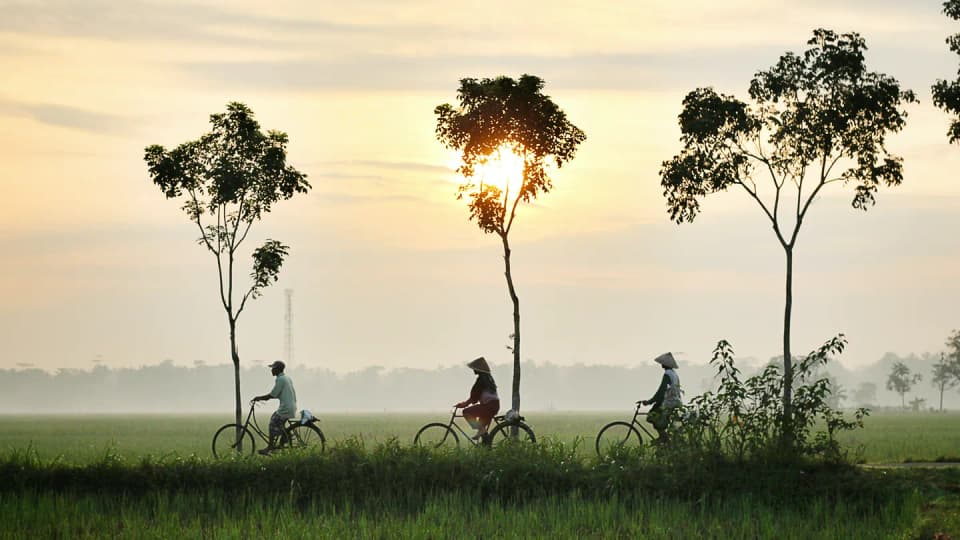
Private half-day photo charters
A boat operator in Anguilla - not a photographer, just a guy with a clean center console and a good eye for light - started offering a golden hour photo charter. Four guests max, 3 hours, drone footage included, departure timed to hit the best morning light. He charges $600 for the boat flat fee. He fills it almost every day in high season. Guests split the cost, so each pays $150 for something they'd spend $400 on at a studio on land.
Typical structure: $500-800 for the charter (boat, fuel, captain) plus a drone add-on at $100-150. Who books it: content creators, couples who want real travel photos, bachelorette and honeymoon groups. Why it's growing: the demand for high-quality social content is enormous and almost nobody in your marina is selling to it yet.
What you need: a clean boat (aesthetics matter more here than any other category - stow the coolers), knowledge of which locations photograph well at which time of day, and a drone partner with the right permits. The biggest gotcha: be clear upfront whether the footage comes edited or raw, and who does the editing. Unmet expectations here produce bad reviews fast.
Mangrove kayak or paddle with a naturalist guide
Low overhead, high margin, almost nobody doing it seriously. Equipment cost is a fraction of a charter boat. The guide is your main asset. The right guide - someone who knows the ecology, can name the birds, explain what the mangroves actually do for the reef fish you snorkeled with earlier - turns a 2-hour paddle into something guests tell people about for years.
Typical price: $85-120 per person for a 2-hour tour. Who books it: eco-conscious guests, families with mixed fitness levels, cruise ship passengers who have already done the beach day. Why it's growing: low-impact, high-authenticity experiences are the fastest-growing segment in Caribbean tourism right now.
What you need: 6-8 quality kayaks, a naturalist guide who genuinely knows the system, and a mangrove location worth seeing. The biggest gotcha: guide quality is everything here. A bored guide reciting a script kills this product. Hire slowly.
The real edge: a $200 addition that changes the price bracket
Adding a chef costs you roughly $200 per trip. A naturalist guide runs $150-180. Coral planting gear and a reef science partnership - similar range. Those additions move your price point 50-80% higher. Most operators chase volume in saturated categories instead: more trips, more fuel, more wear on the boat, more staff hours, for maybe 10% more revenue.
One premium tour at $180 per person with 8 guests gives you $1,440. The same boat running a standard snorkel at $75 with 12 guests gives you $900 and more headaches. The math isn't complicated. What's complicated is convincing yourself you can charge $180 in a market where you've always charged $75. You can. The product just needs to be genuinely different, not just described differently.
When you're charging premium prices, your booking experience has to match. Deposits that hold seats, online booking guests can complete from their hotel at 11pm, confirmation that looks professional. We built Junglebee for Caribbean operators who need that without paying a mainland platform built for a different market.
Pick one and build it properly
Don't try all four. Pick the one that fits your current boat, location, and honest skill set. If you have a catamaran and a contact at a local restaurant, start with the chef dinner-sail. If you're near a healthy mangrove system and you know a biology teacher who guides on the side, do the kayak tour.
The operator I mentioned who added coral planting to his snorkel tour didn't reinvent anything. He changed two hours of his day and made one call to a marine scientist. That was it. One conversation about the reef, and his market position shifted completely.
The saturated categories will still be there in five years, fighting over the same price-sensitive guests. The premium formats will also still be there, with higher margins, better reviews, and guests who come back. You get to decide which side you're building on.
Booking page, card payments, one calendar for your website, booking page and desk. 4% per card payment, no monthly fee.