

June 3, 2026
Back when I was running SXM Deals, I could tell you what kind of week St. Martin was about to have before most operators on the island had finished their morning coffee. Not because I was clever. Because I was watching the same three things every day: which cruise ships were in, how full the hotels were, and what people were typing into Google to find a boat.
That was my whole edge as an agent. I didn't sell more tours because I had better boats. I didn't have any boats. I sold more because I saw the demand coming and the operators didn't, and by the time they did, the booking was already mine.
So when I read the 2026 travel forecasts, I don't read them the way a marketer does. I read them like an agent who used to live or die by next Tuesday's arrivals. And there are real signals in there you can act on right now.
A lot of the 2026 headlines sound soft. The U.S. Travel Association's Spring 2026 forecast puts travel spending growth at 1 percent for the year, inflation-adjusted. That's not a boom. It's also not a crash. It's a competitive year, and competitive years reward the operator who is easiest to book and easiest to trust.
The signal underneath is the part that matters. Travelers are shifting toward shorter, lower-cost trips, including regional and drive markets. People still want to get on the water. They're just more sensitive to friction. If your booking takes five steps, or your cancellation policy reads like a mortgage, you lose the sale to the operator who feels simpler. Not better. Simpler.
So I'd say do two things this season:
You don't need a perfect year for world aviation. You need seats landing near you. IATA's April 2026 data has Latin America and the Caribbean passenger demand up 5.0 percent year over year, with capacity up 4.3 percent and a load factor of 82.9 percent. Translation: the planes coming down here are filling up, and demand is keeping pace with the seats.
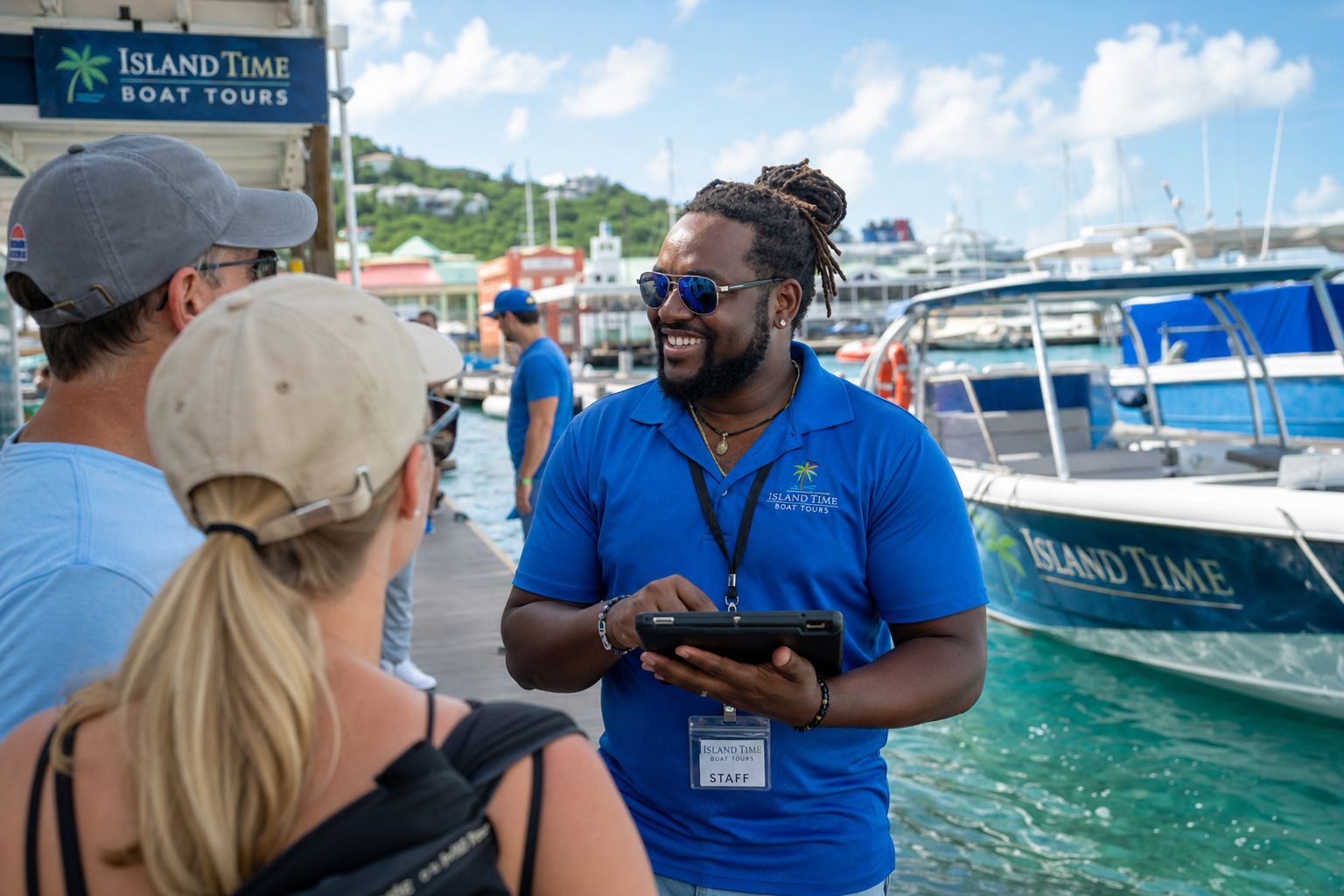
Here's what I'd do with a number like that. A full load factor means people are landing tired, decisions half-made, phone in hand. A lot of them book the day they arrive or the day after.
If your process is still "message us on WhatsApp and we'll confirm," you'll feel that gap all season. I felt it from the other side for years. Guest ready to pay, money in my hand, and the operator was elbow-deep cleaning his boat. We built Junglebee so the system answers when you can't, with confirmation that doesn't wait for you to get back to the marina.
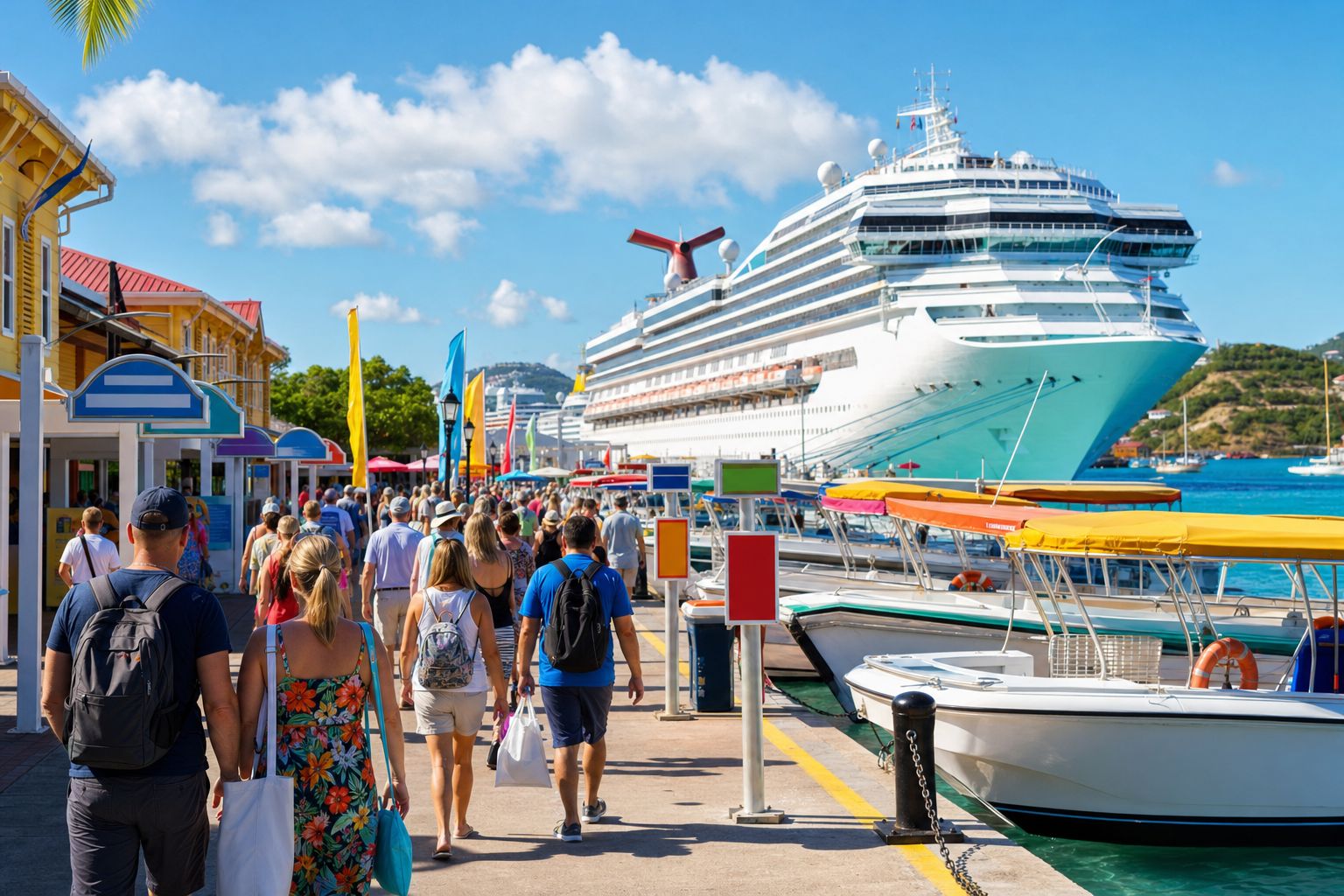
Cruise demand is holding strong even with the health scares that pop up in the news. Euronews reports CLIA's State of the Cruise Industry Report 2026 estimates 38.3 million ocean-going passengers this year, up 4 percent from last year's record of 37.2 million. That's a wave of guests with money and a clock.
And the clock is the whole problem. A cruise guest is the best demand you'll get and the most unforgiving. Run late, get disorganized, and you don't just lose one group, you eat the reviews too.
When people take shorter trips, they plan later and decide faster. Nobody is reading your 1,200-word sales page on a beach. They're scanning for five answers: Can I do this on my dates? How long is it? Where do I meet you? What's included? Can I cancel if plans change?
So answer those five on the page, in order, where a phone can see them.
And here's the opinion I'll stand behind: most operators don't have a marketing problem, they have a checkout problem. Pull up your own booking page, on cellular data, and time a full reservation. If it runs past two minutes, you're losing money you already earned. Two minutes. Not two days. I learned that gap the expensive way back in 2012.
You don't need to tear everything down to win 2026. You need three things that stack on each other and make you easier to book, easier to trust, easier to run.
That's the thing about demand signals. They were never secret. The cruise schedule is public. The hotel occupancy is on the same board it's always been on. The flight loads are in the data. What I had as an agent wasn't secret information, it was just paying attention while everyone else was running the boat.
So pick one thing this week. Your booking page, your cruise-day flow, or your arrival-day product. Tighten it until saying yes feels effortless. In a 1 percent year, effortless is the entire game.


